An official website of the United States government



Conclusion
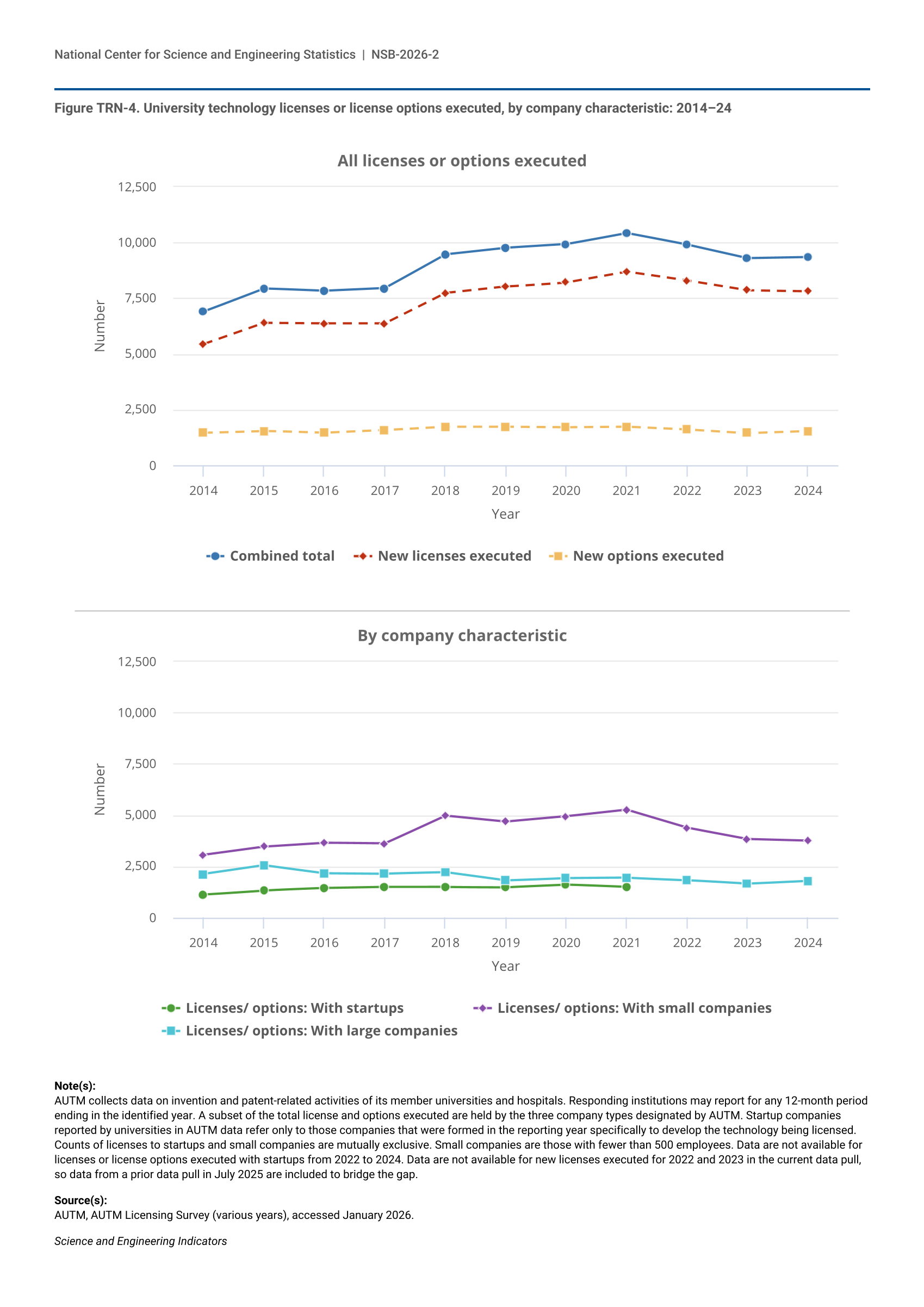
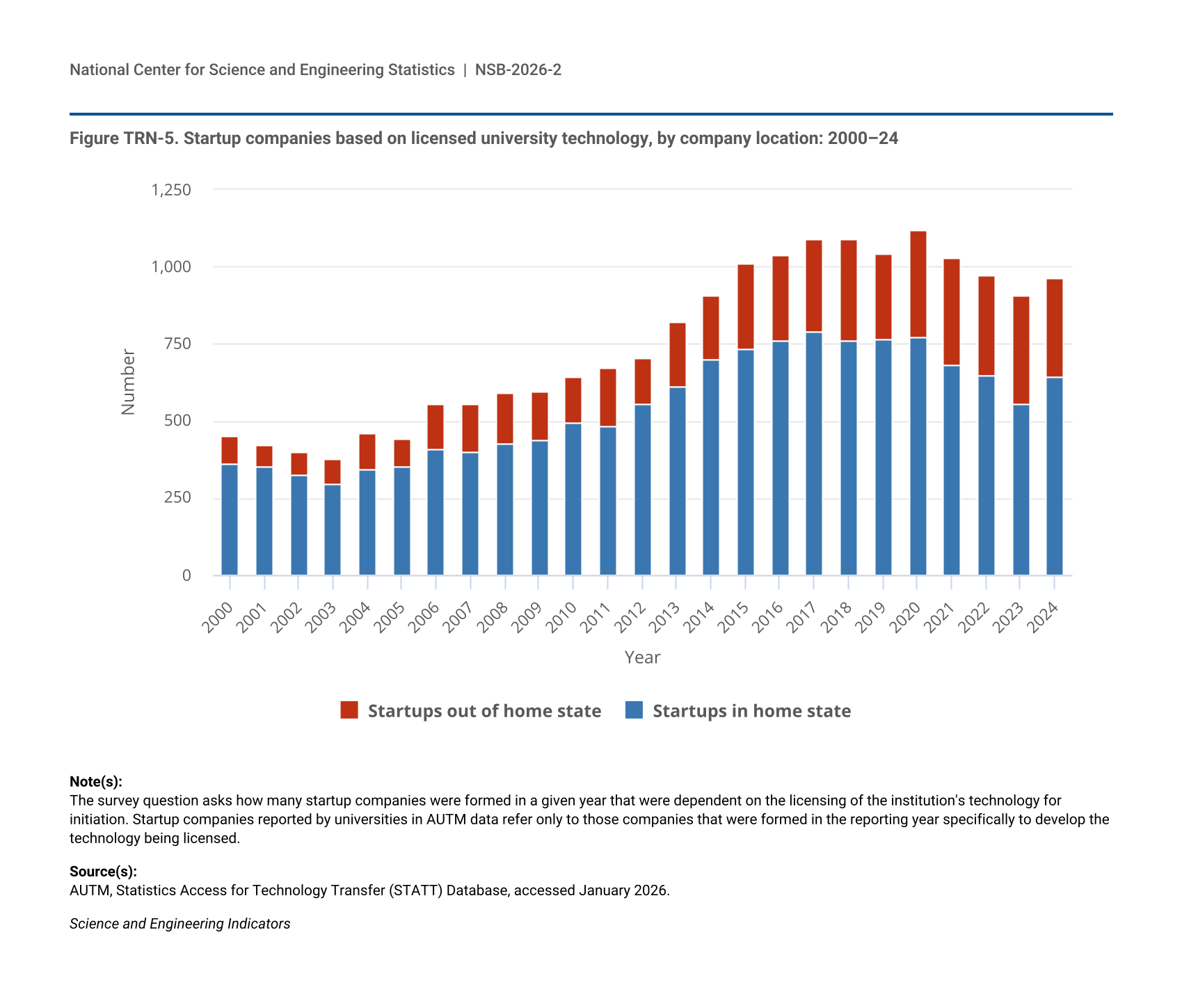
This report examined the science, technology, and innovation activities of businesses, government agencies, and academic institutions that support the translation of scientific discoveries and provide societal and economic impact through the development of new goods and services. Public and private S&E research and innovation have driven the development of critical and emerging technologies, such as AI, biotechnology, semiconductors, QIST, and nuclear technology. U.S. federal agencies perform R&D and support translation through research funding to academia and businesses and by funding or providing technical support to private technology transfer activities. Academic technology transfer activities include technology licensing to external firms and to startup companies formed specifically to develop university research and innovation for commercial purposes.
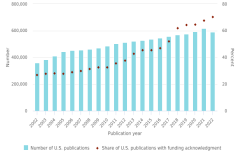
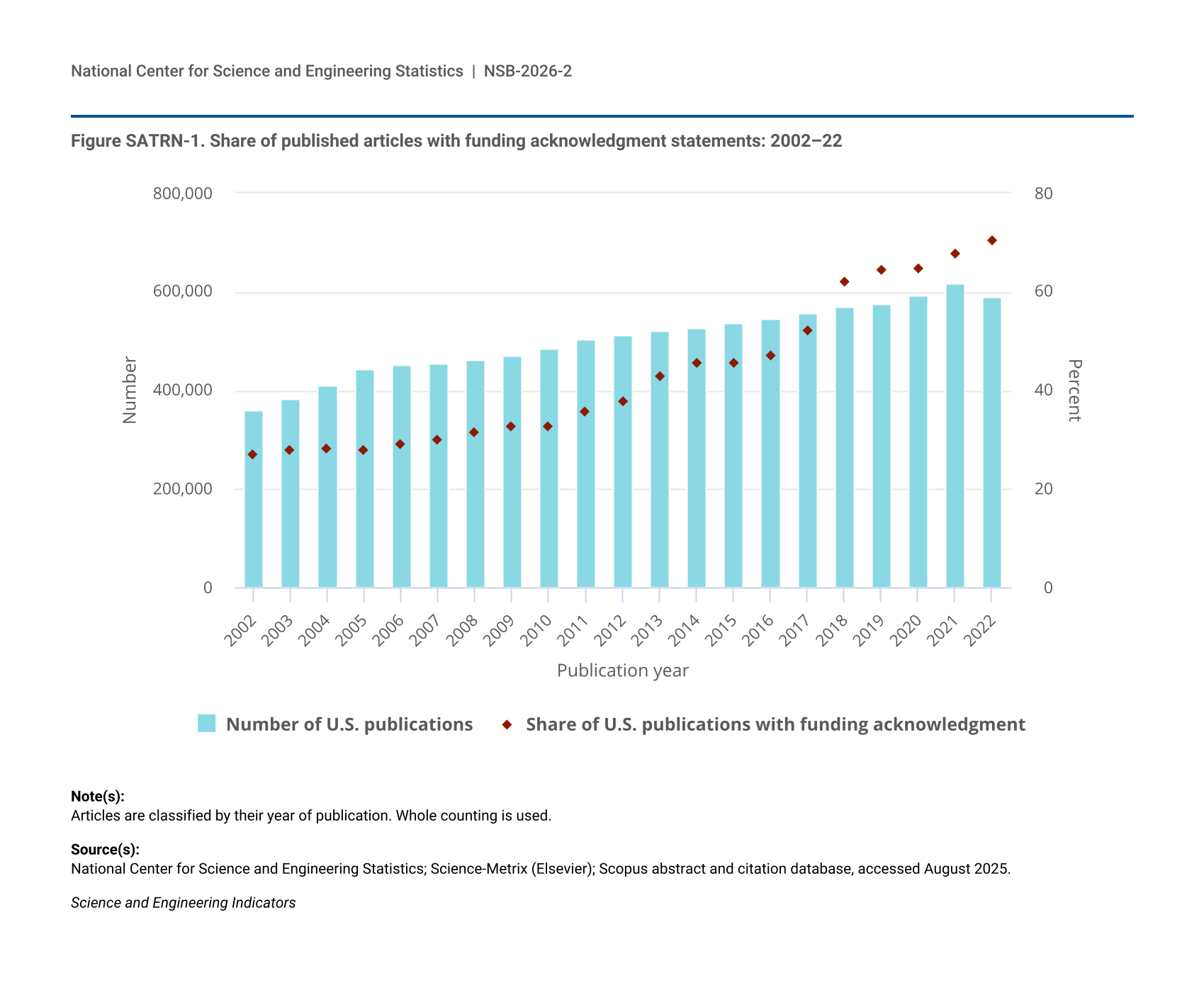
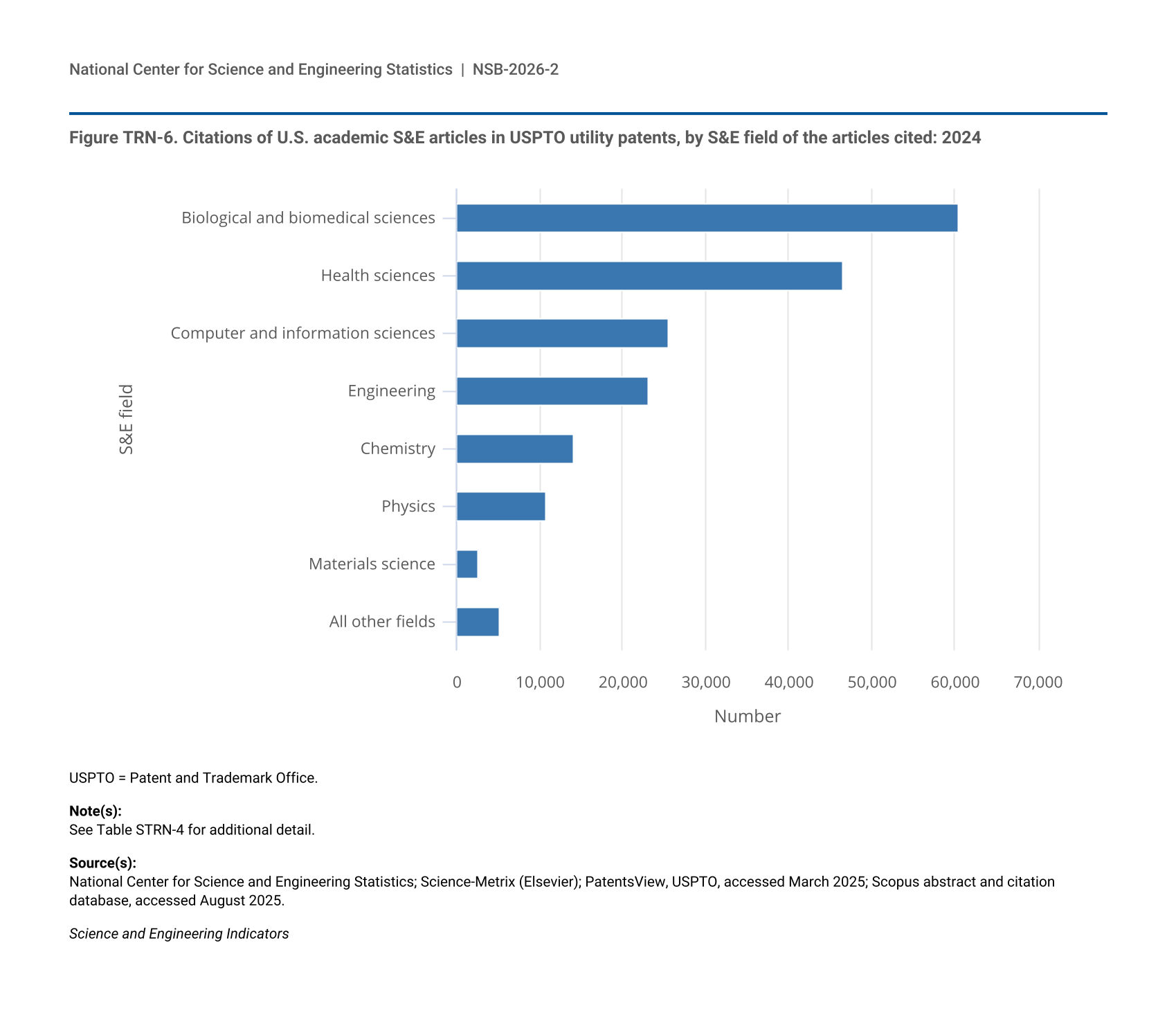
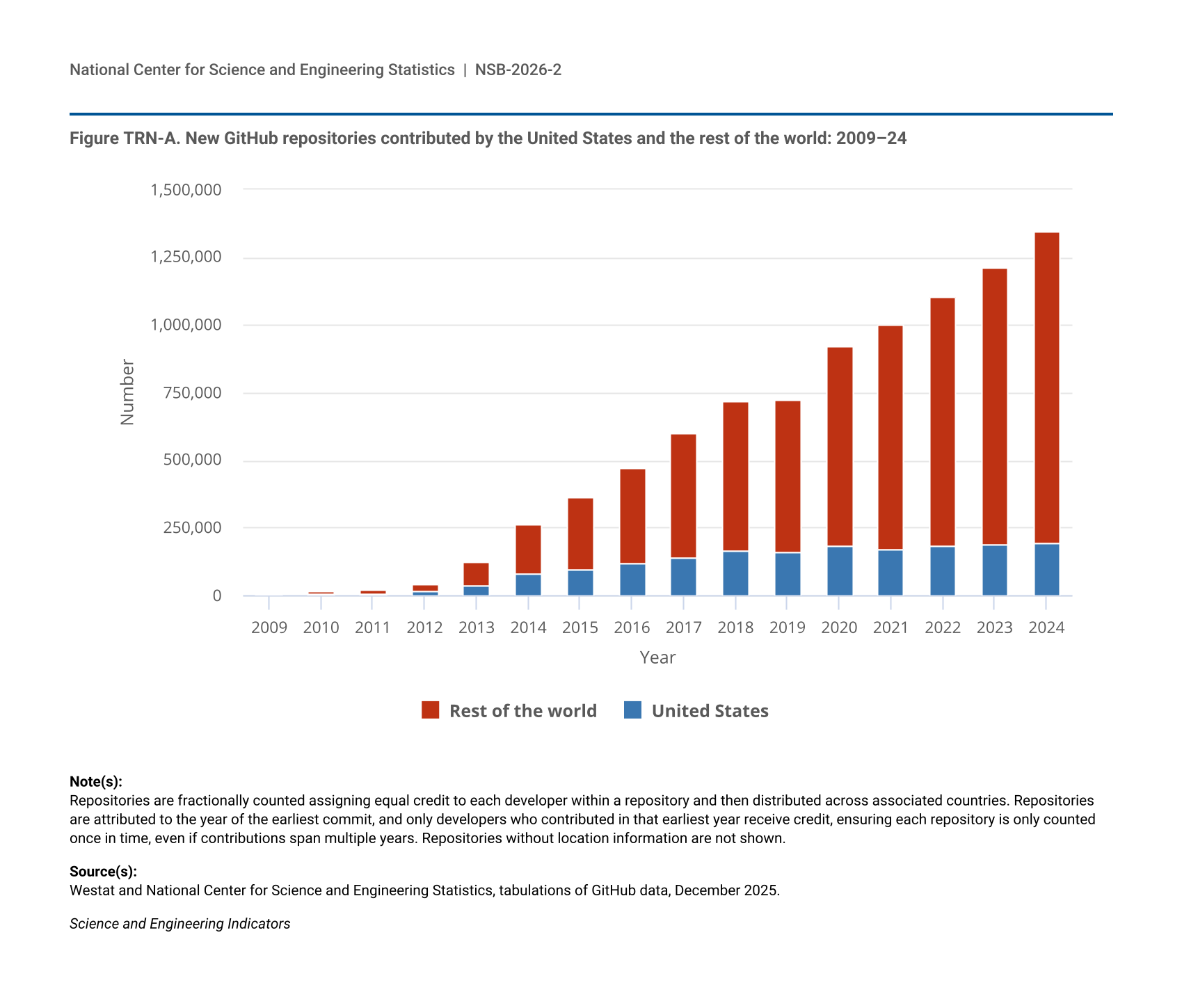
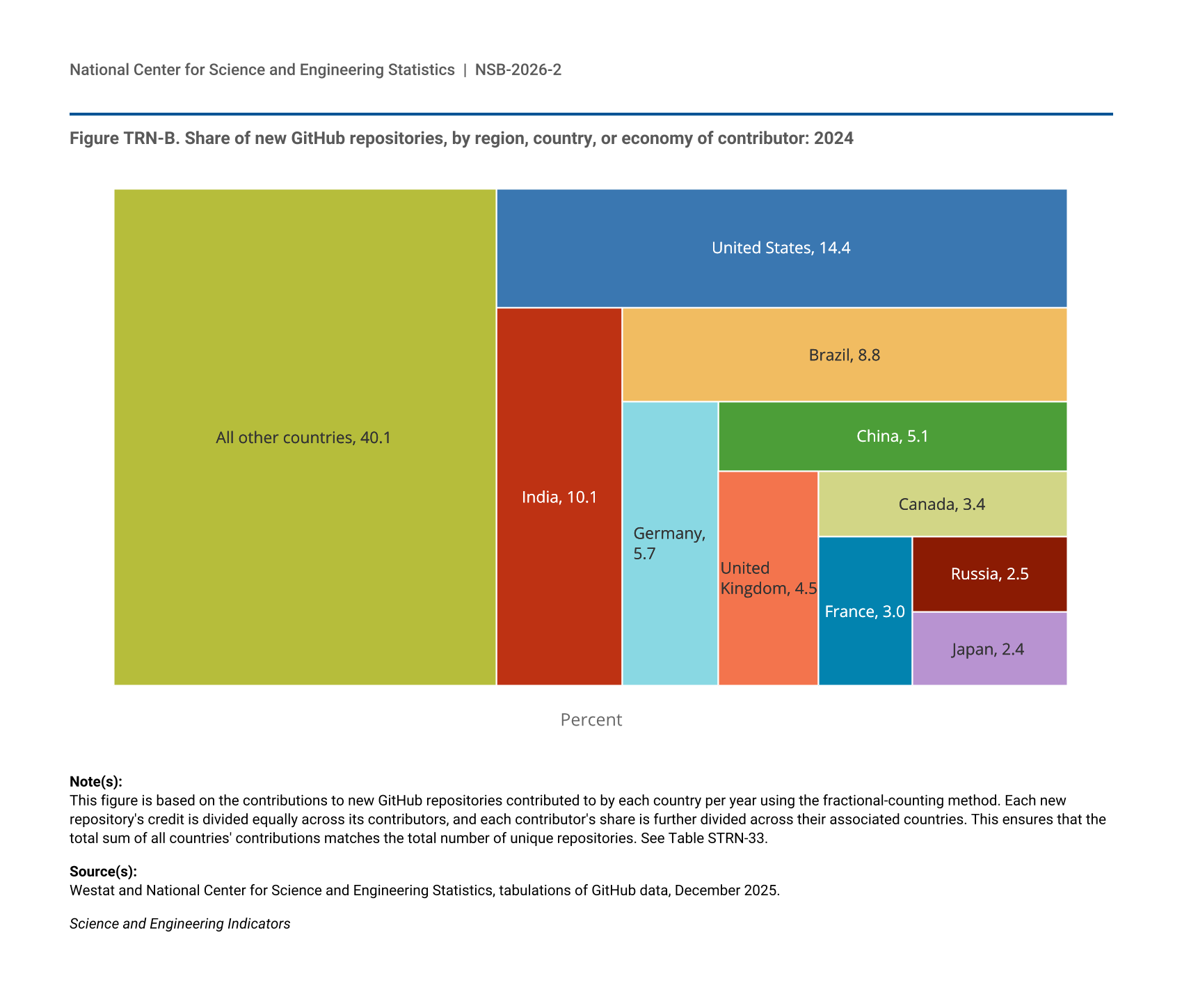
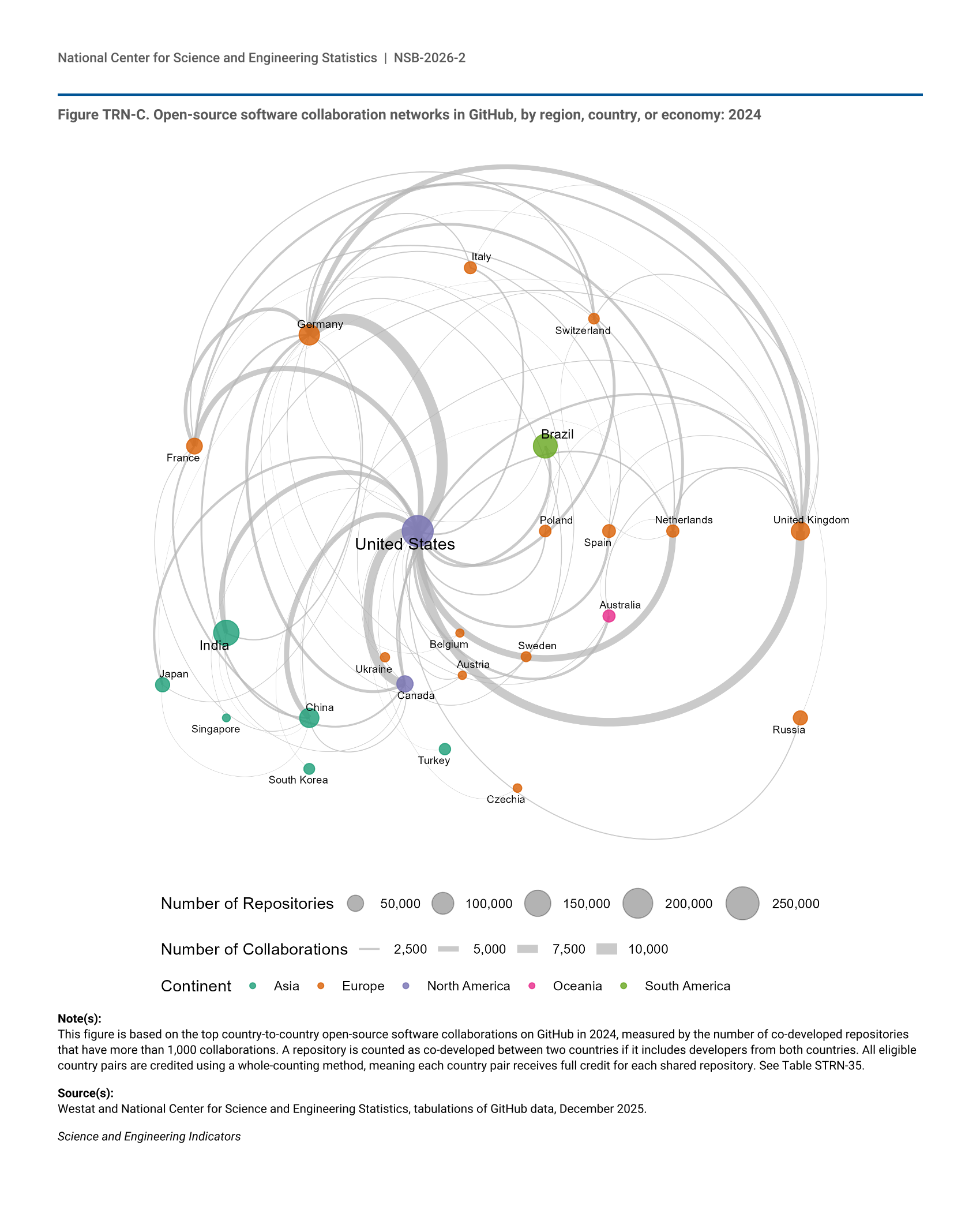
Of peer-reviewed publications that acknowledged federal funding, nine agencies were cited in more than 20,000 articles from 2002 to 2022, and these articles had high scientific impact as measured using citation analysis. Further, employees of federal agencies are involved with publishing research, acquiring patents for innovation, and contributing to OSS.
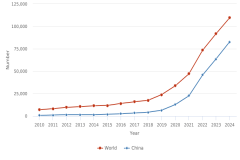
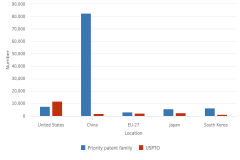
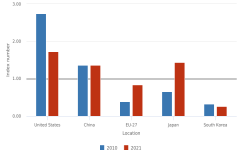
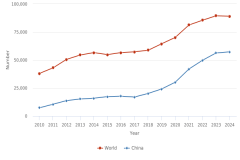
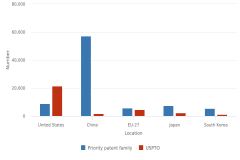
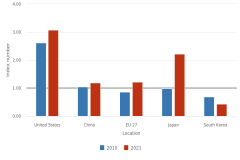
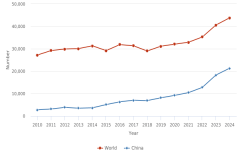
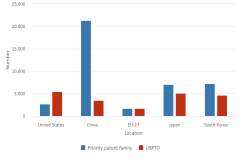
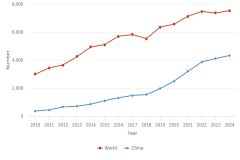
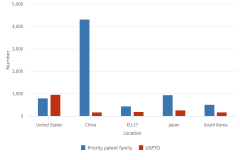
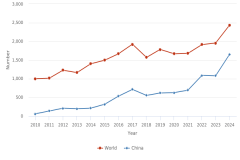
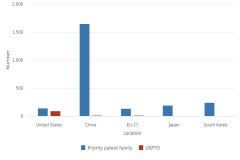
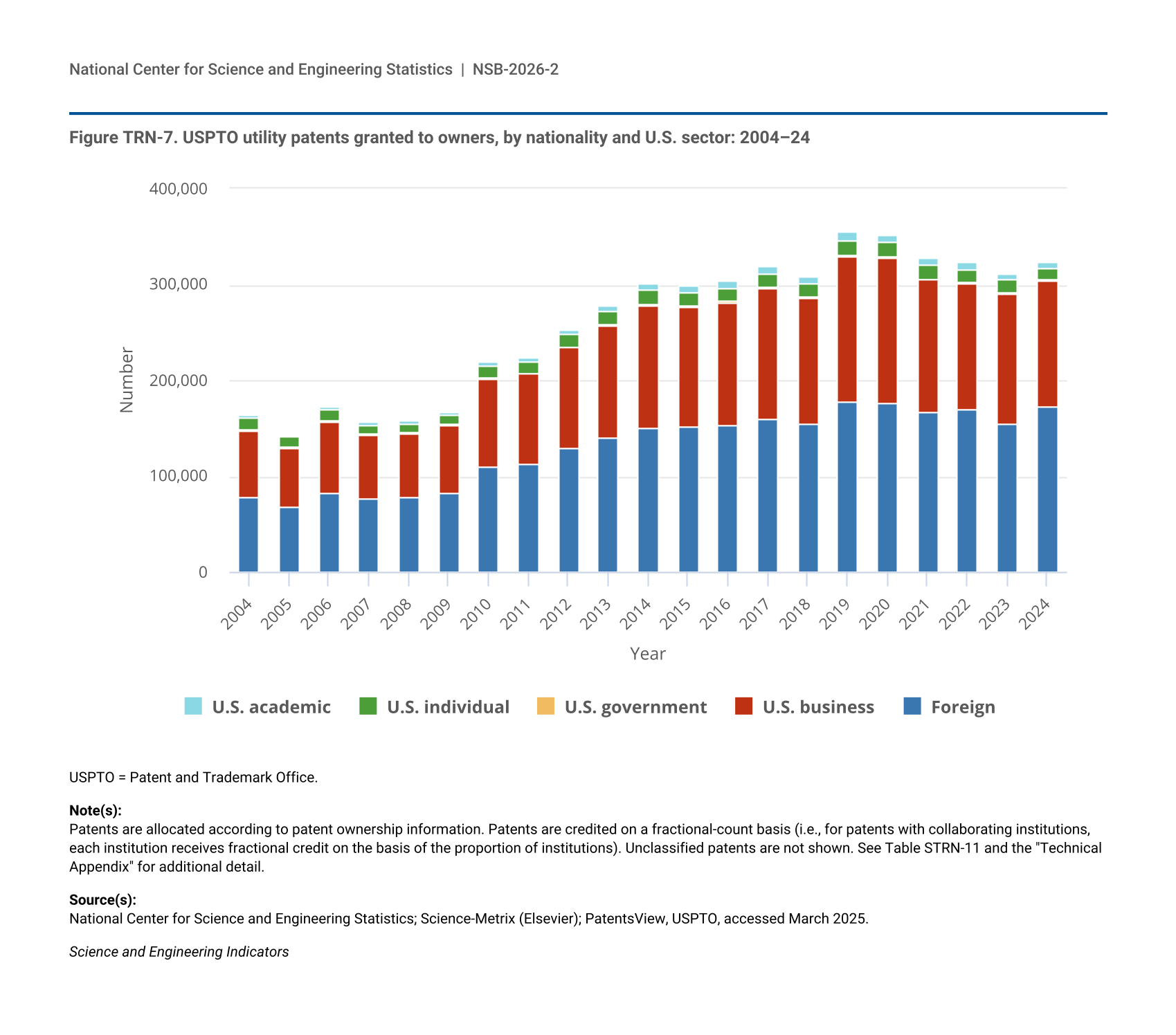
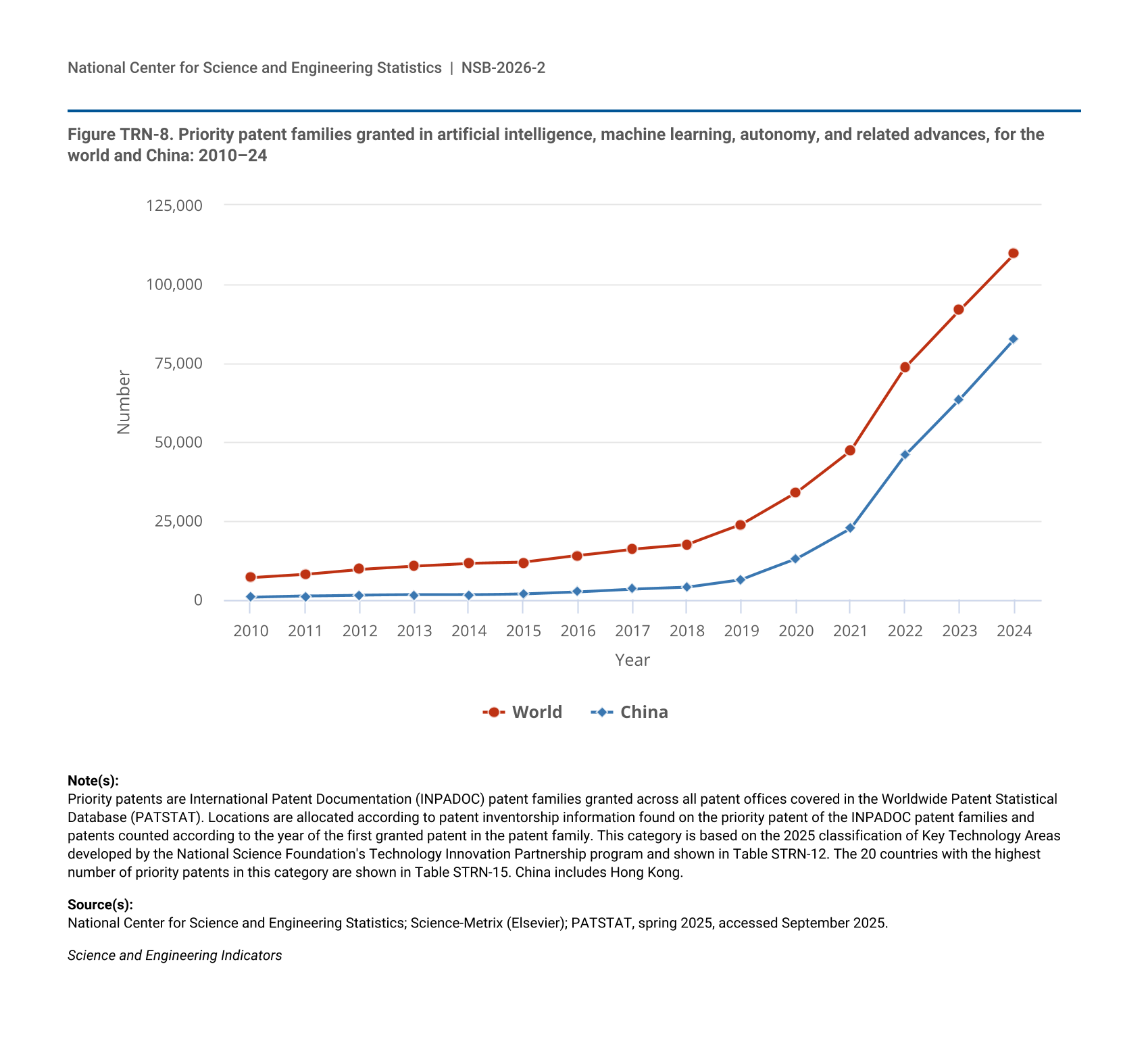
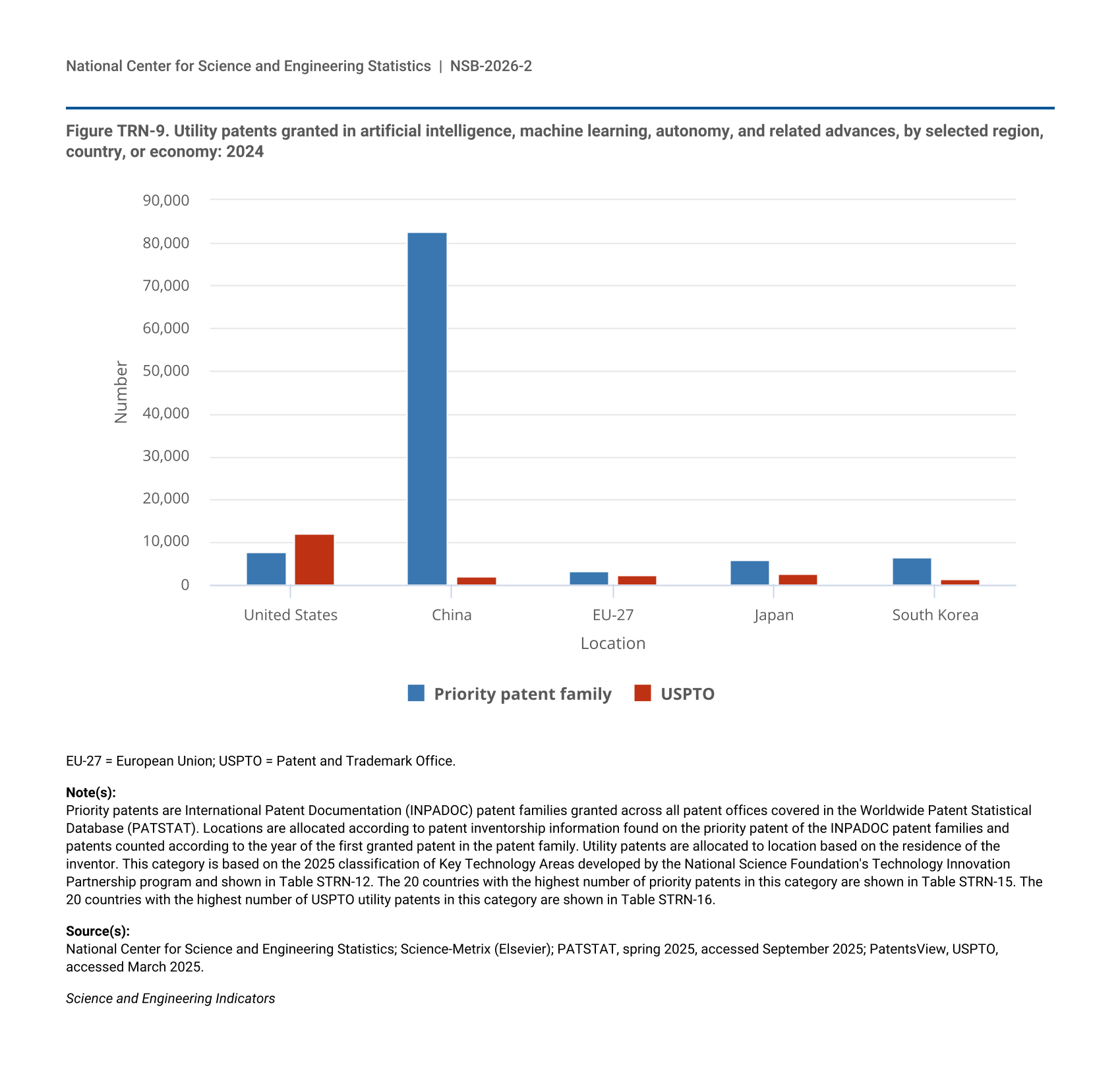
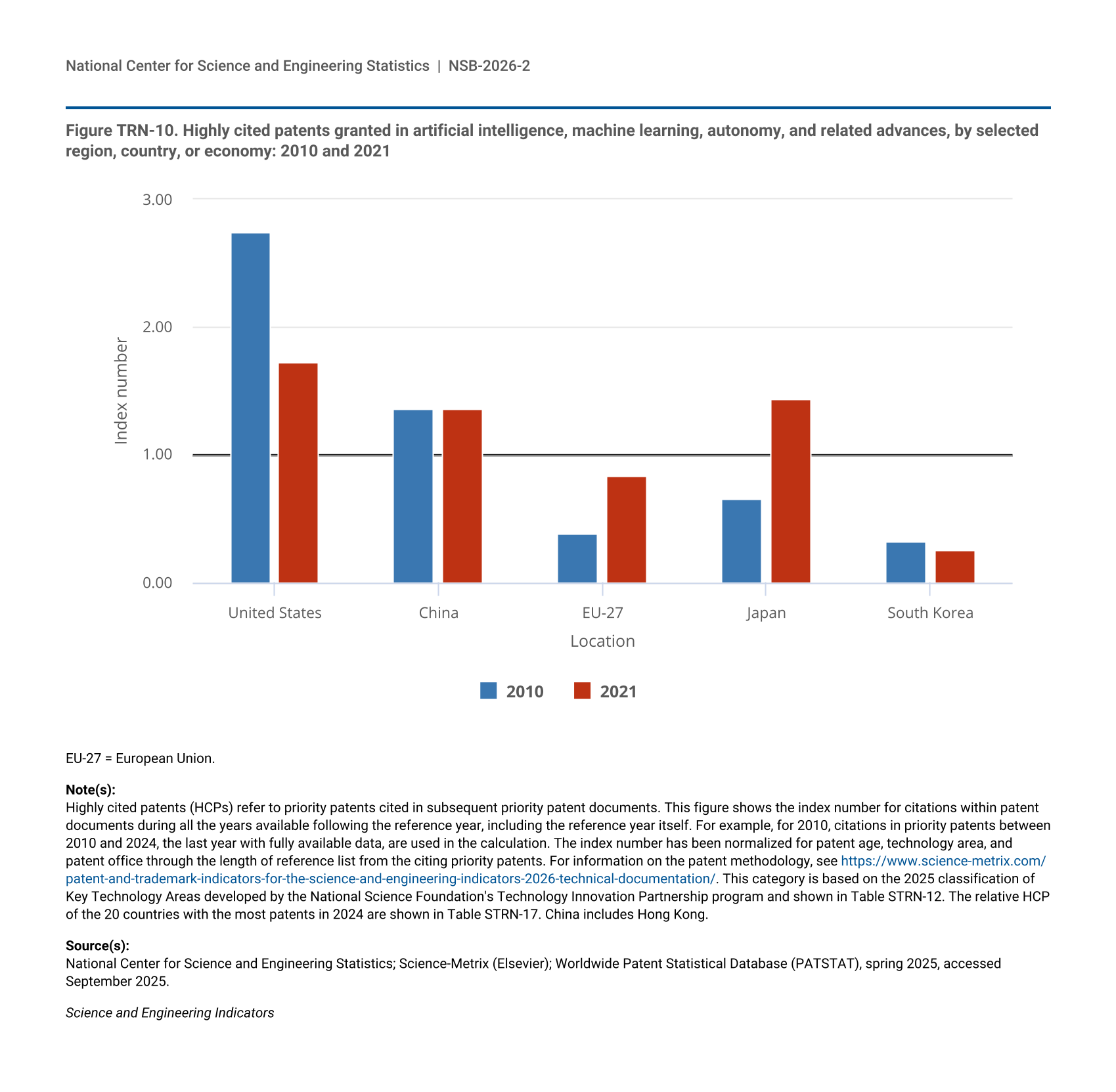
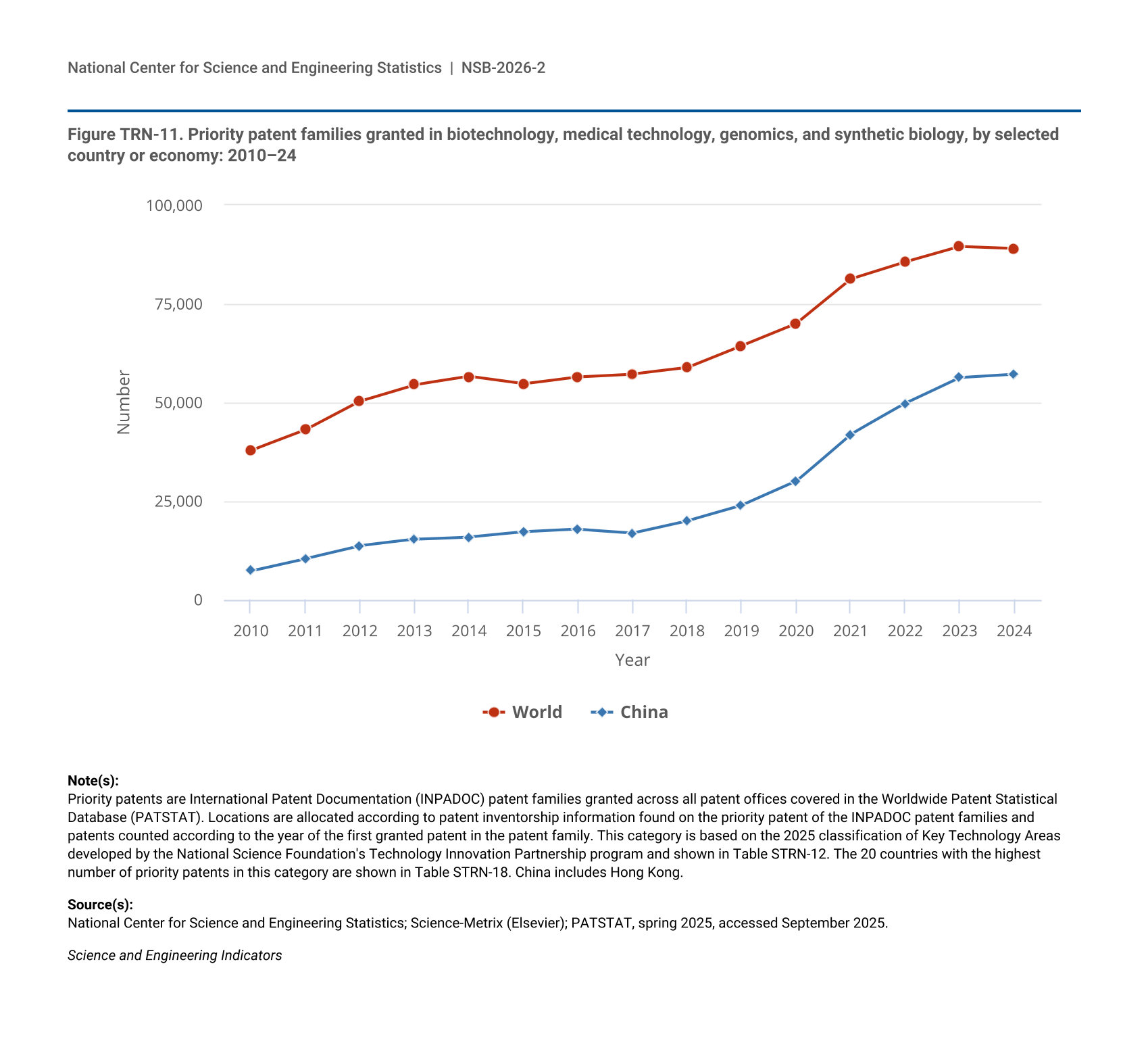
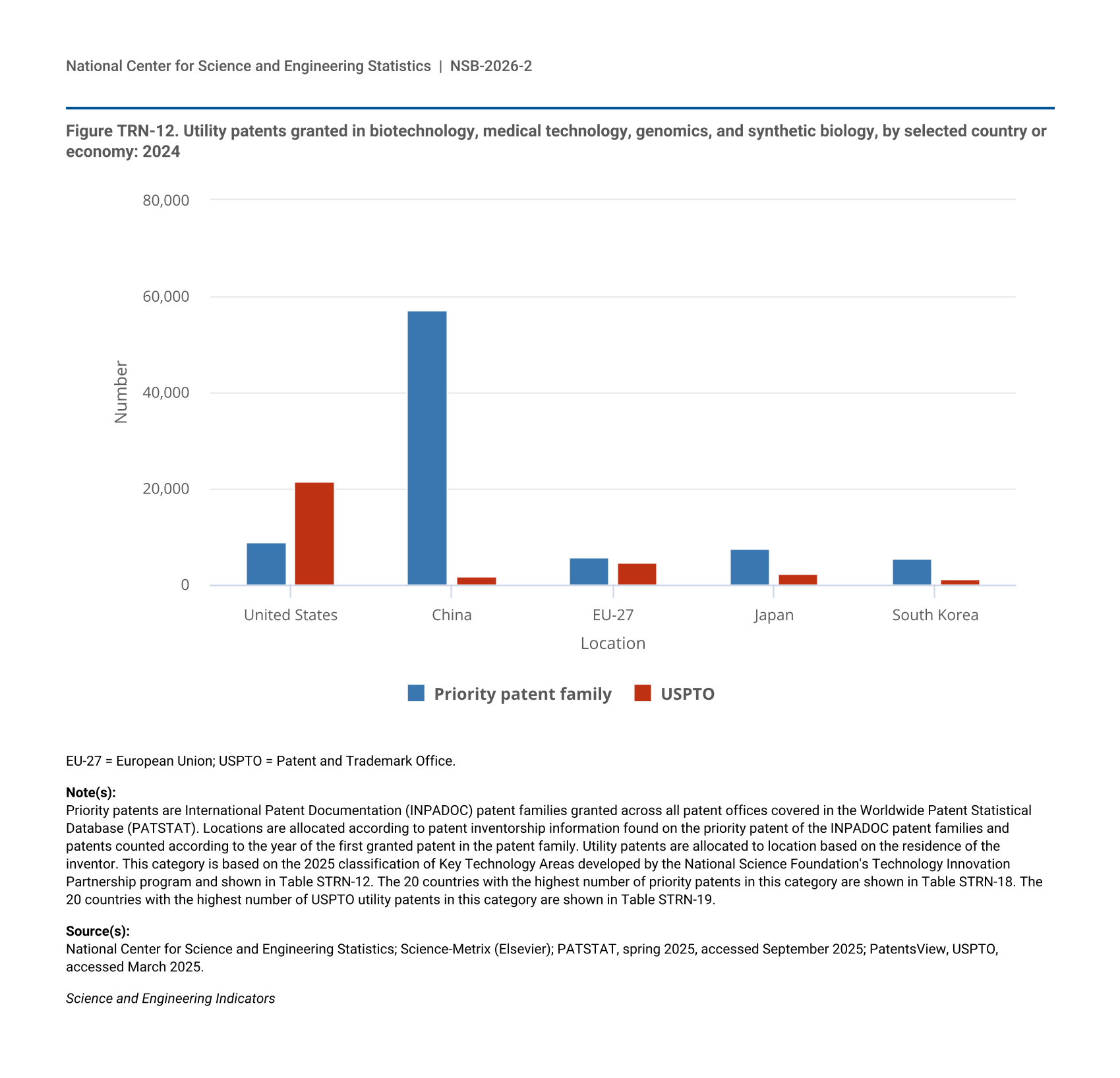
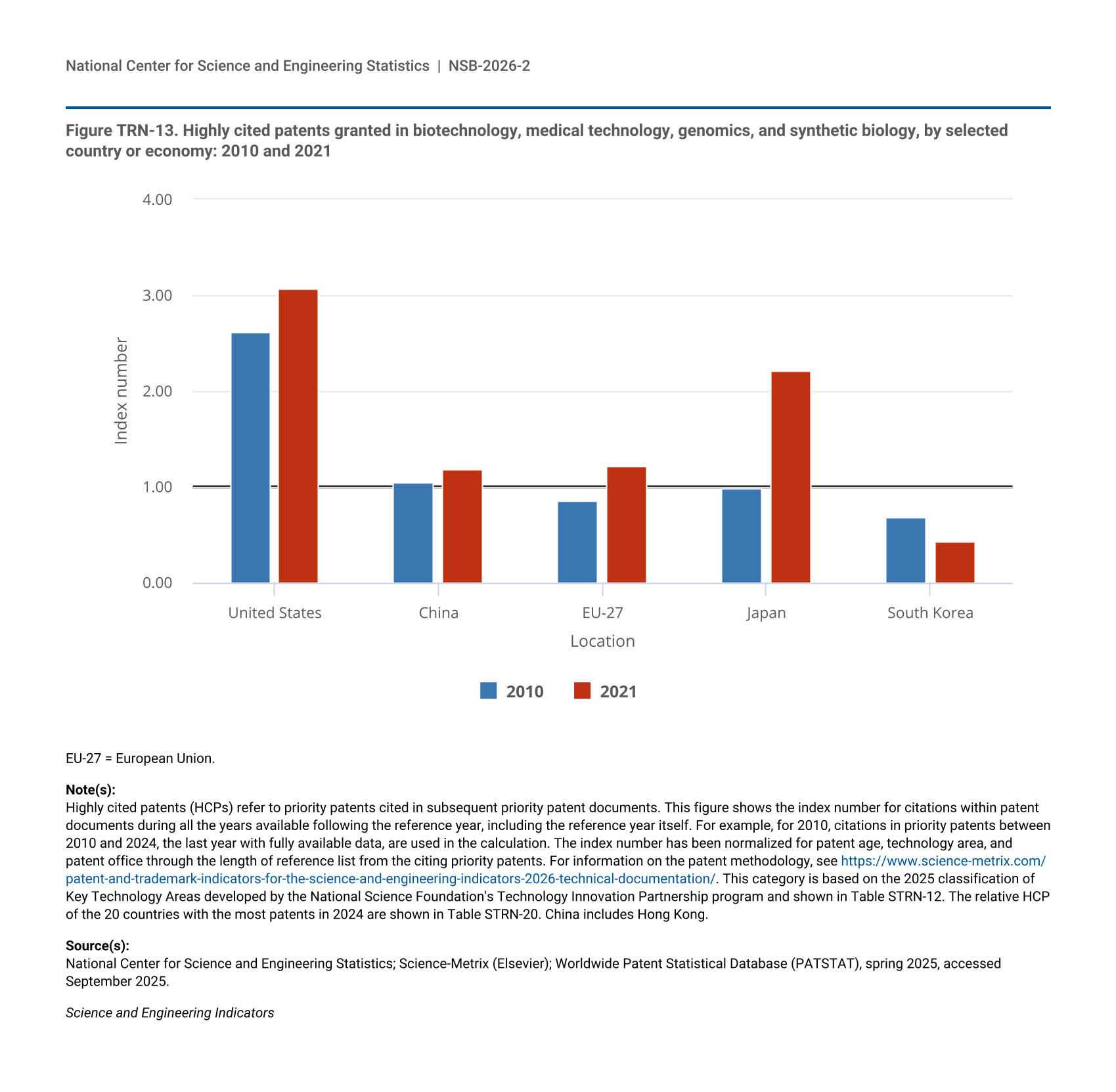
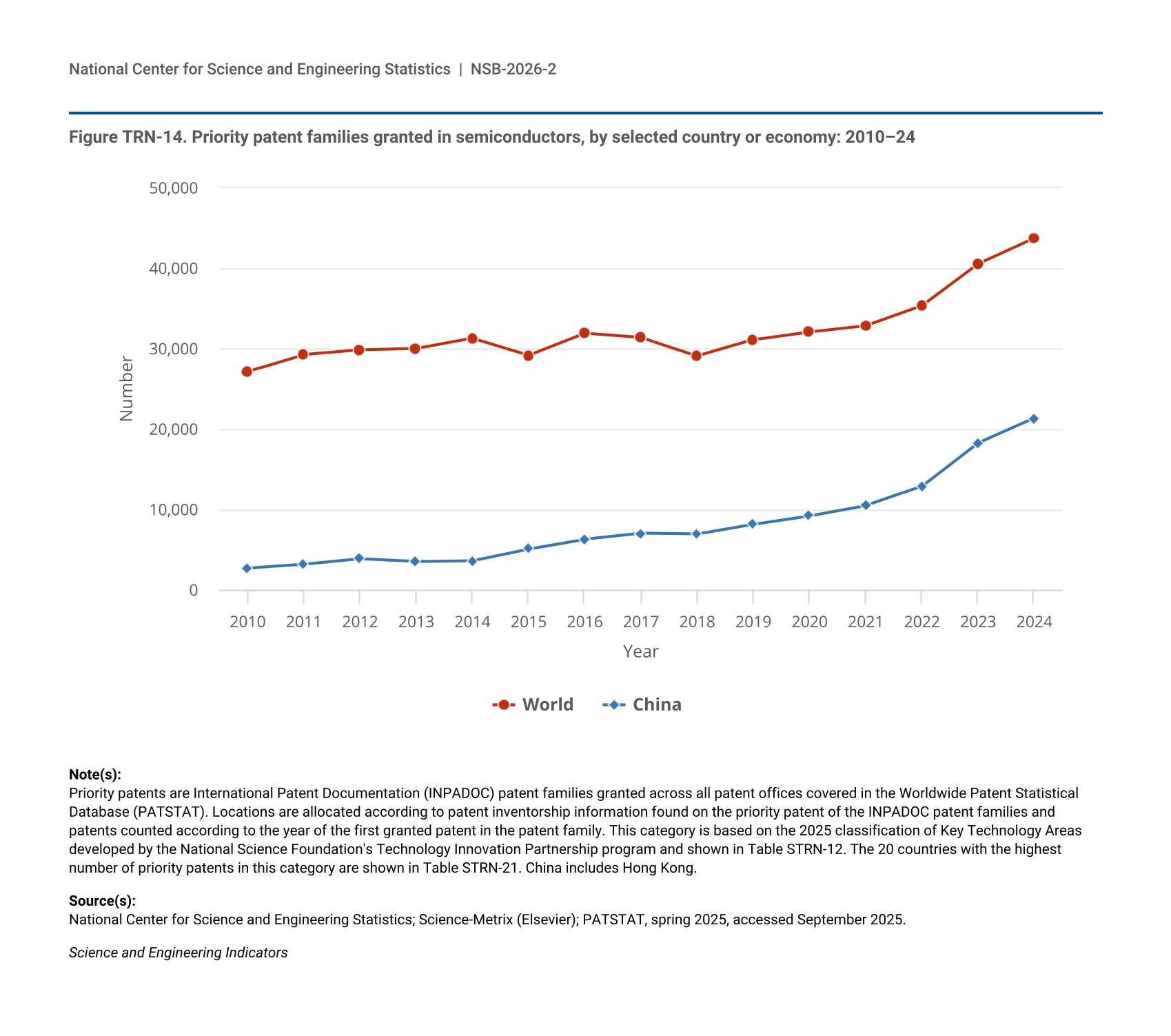
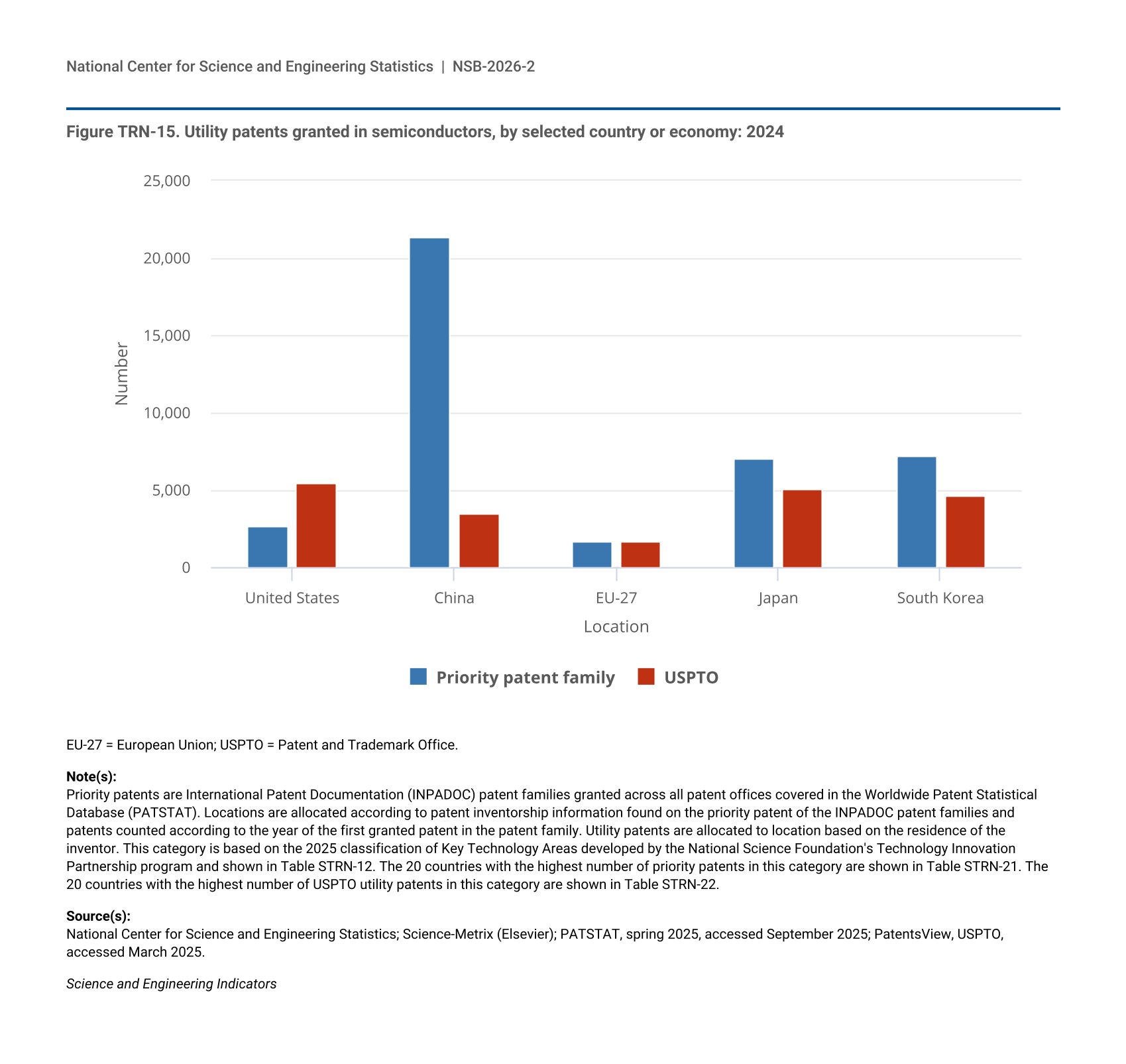
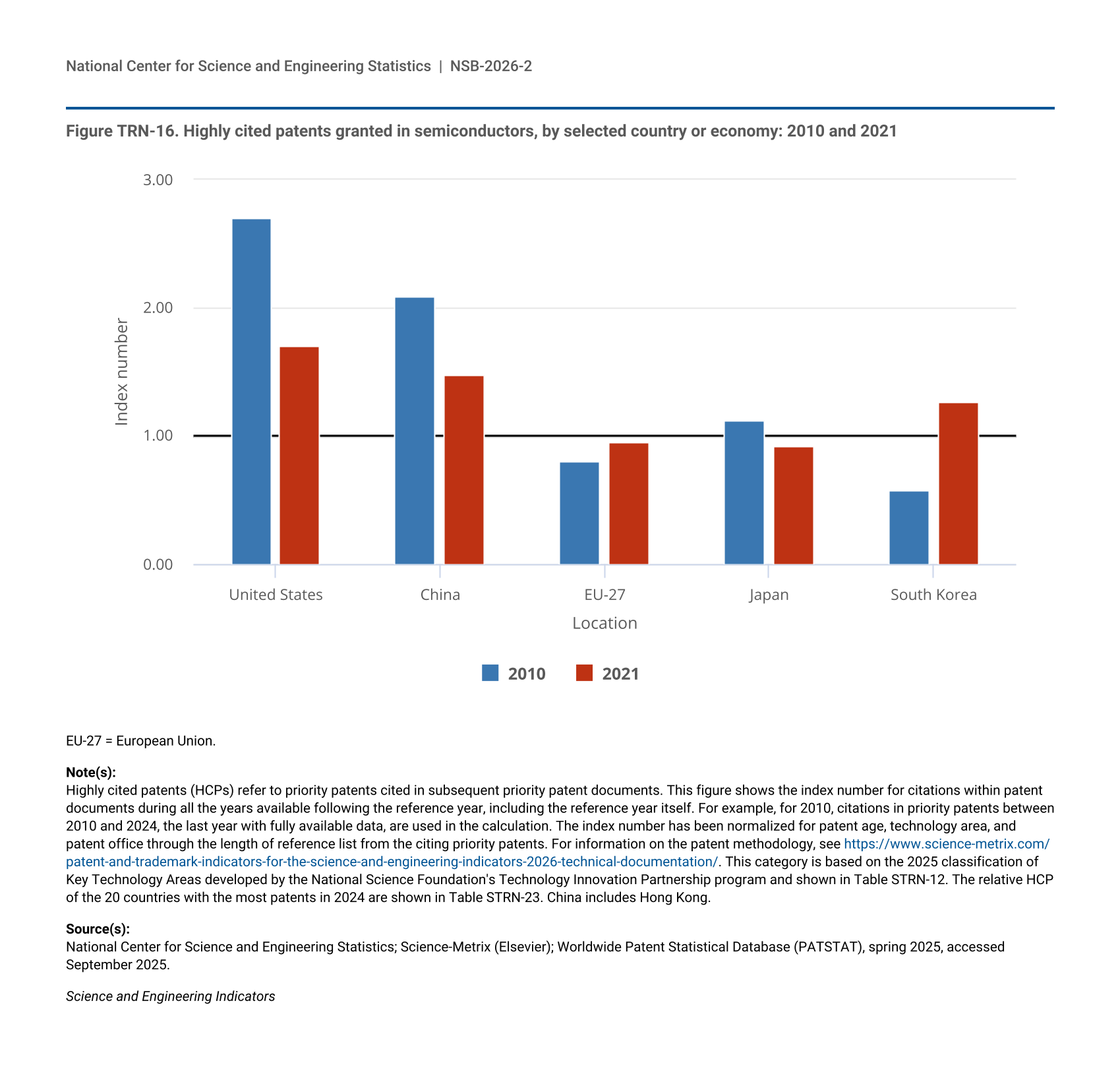
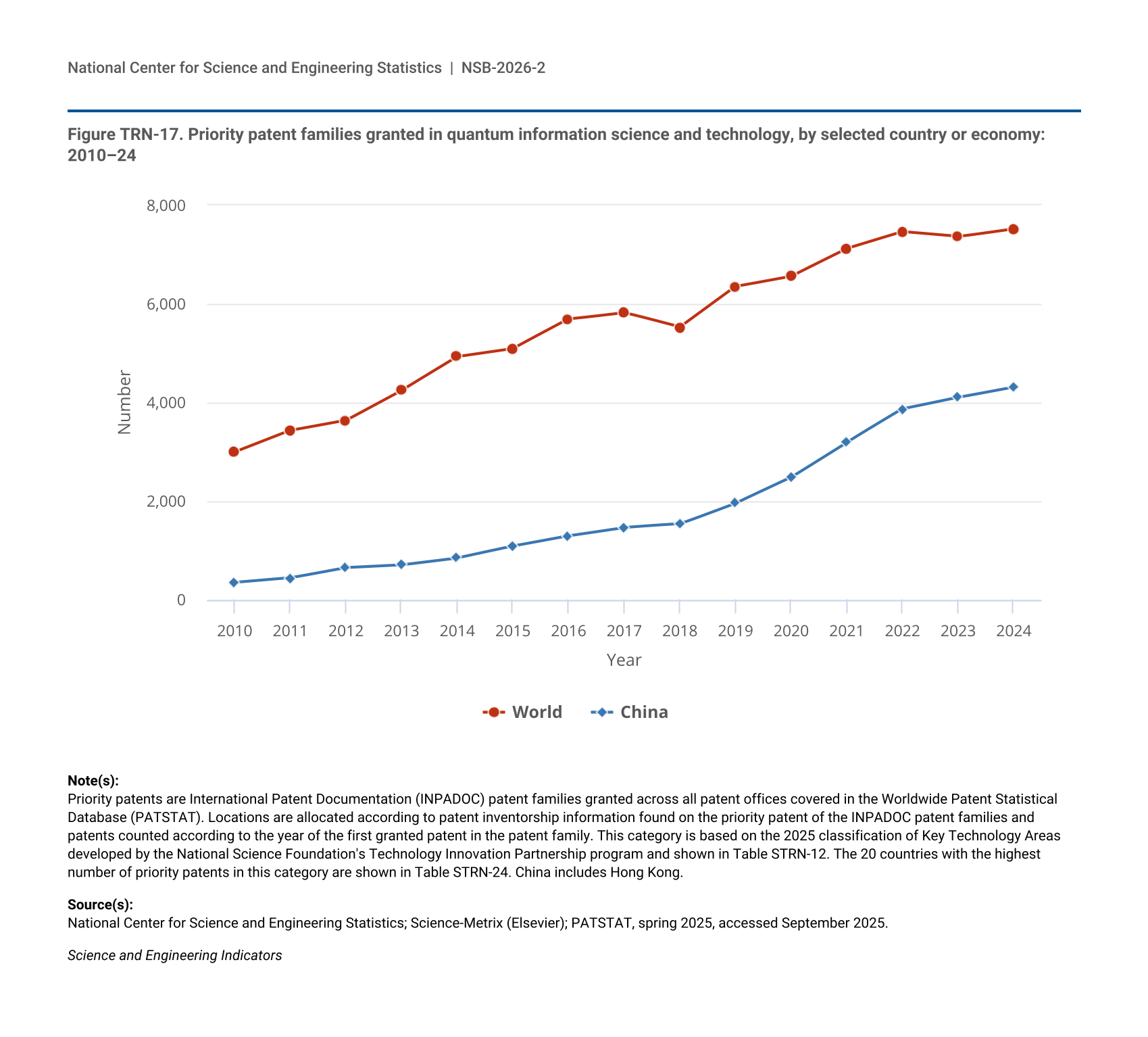
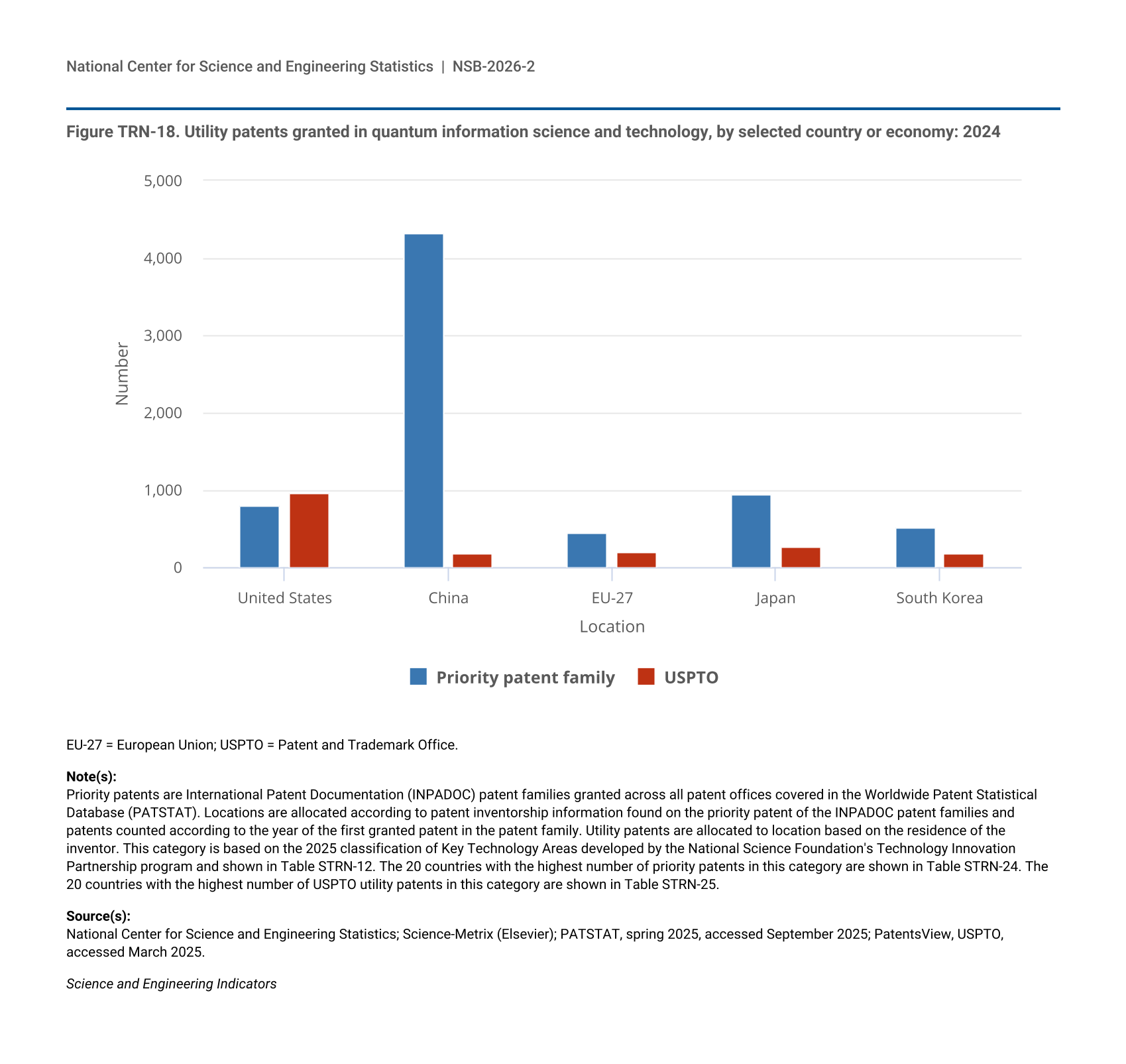
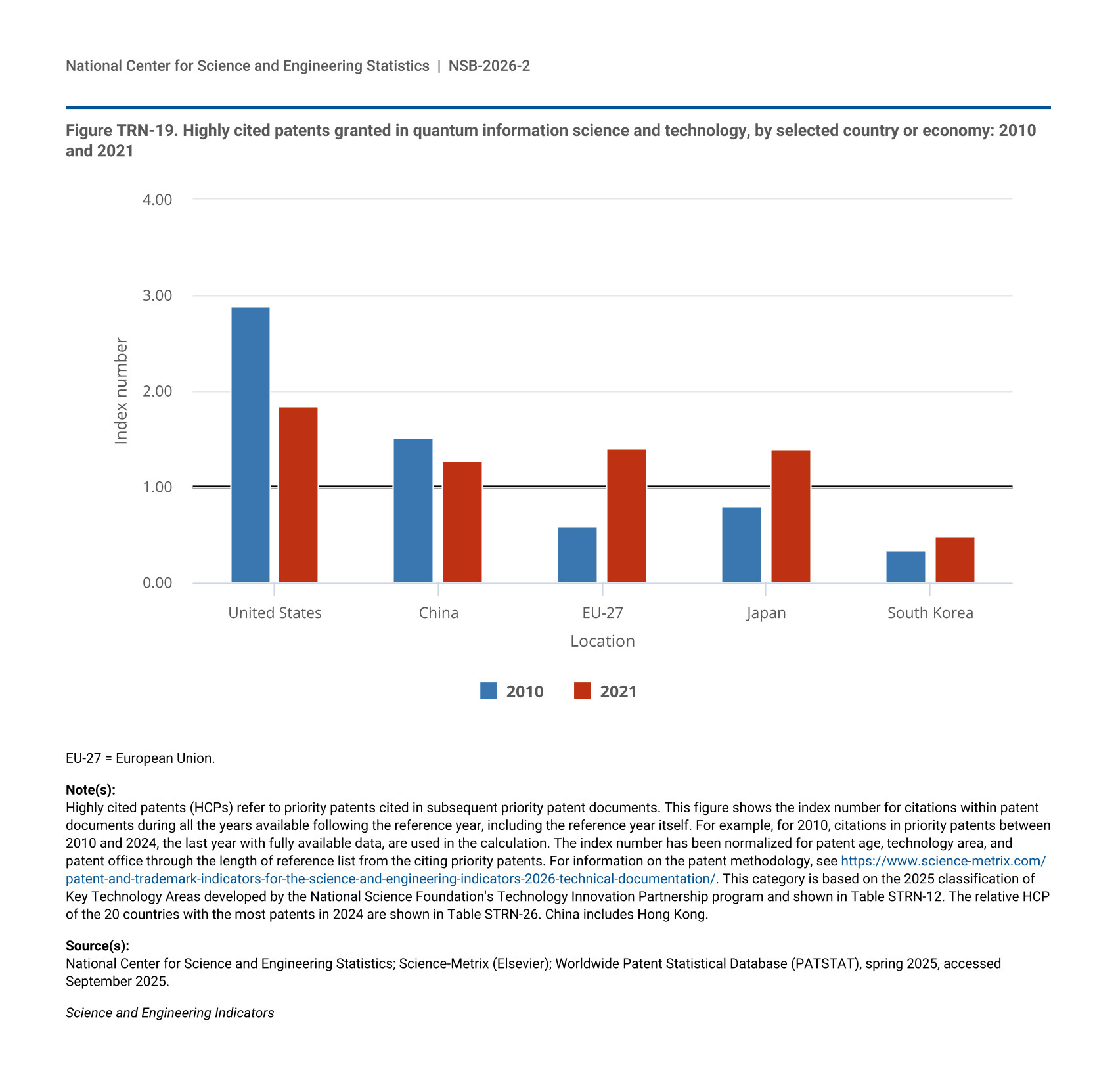
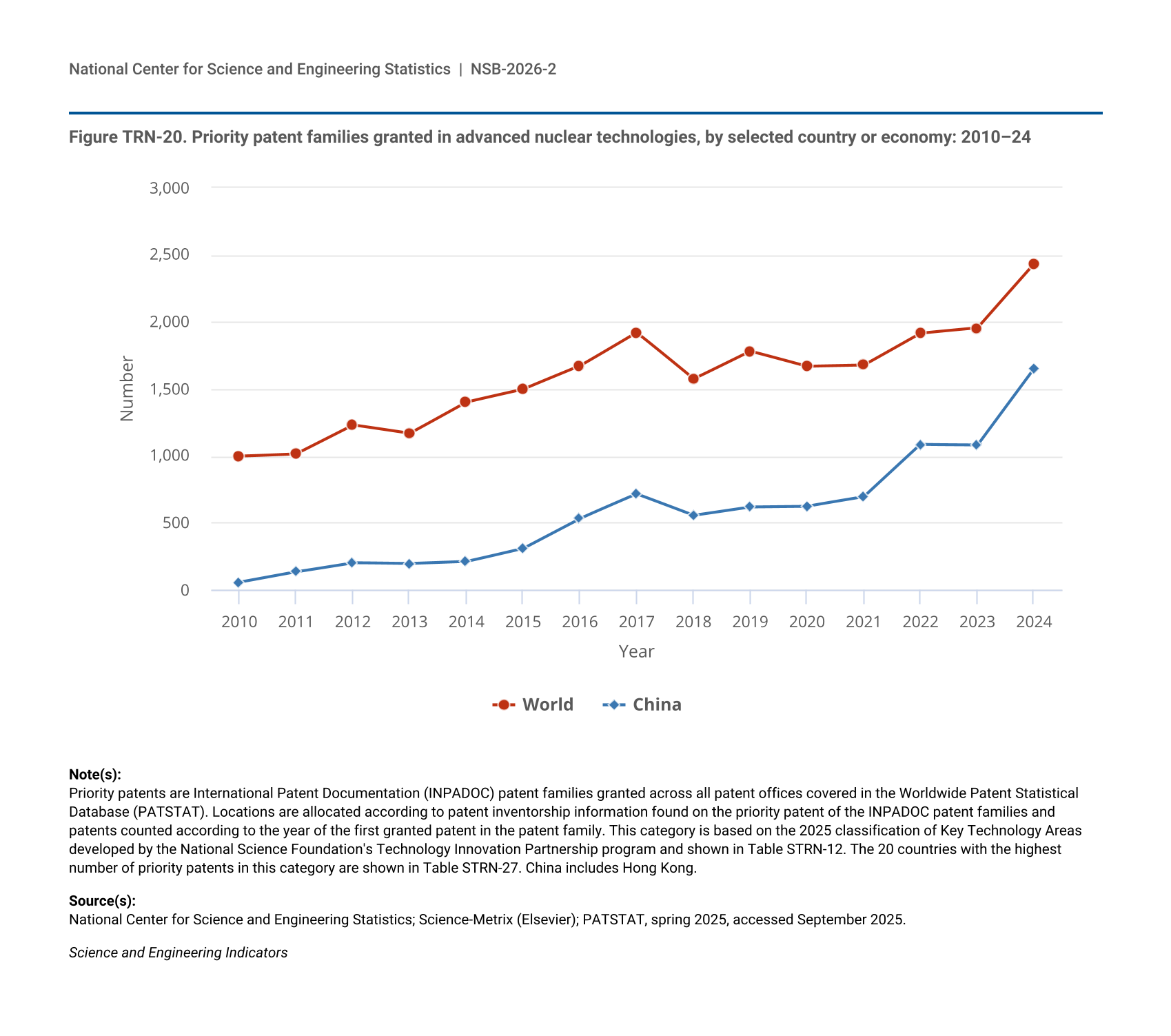
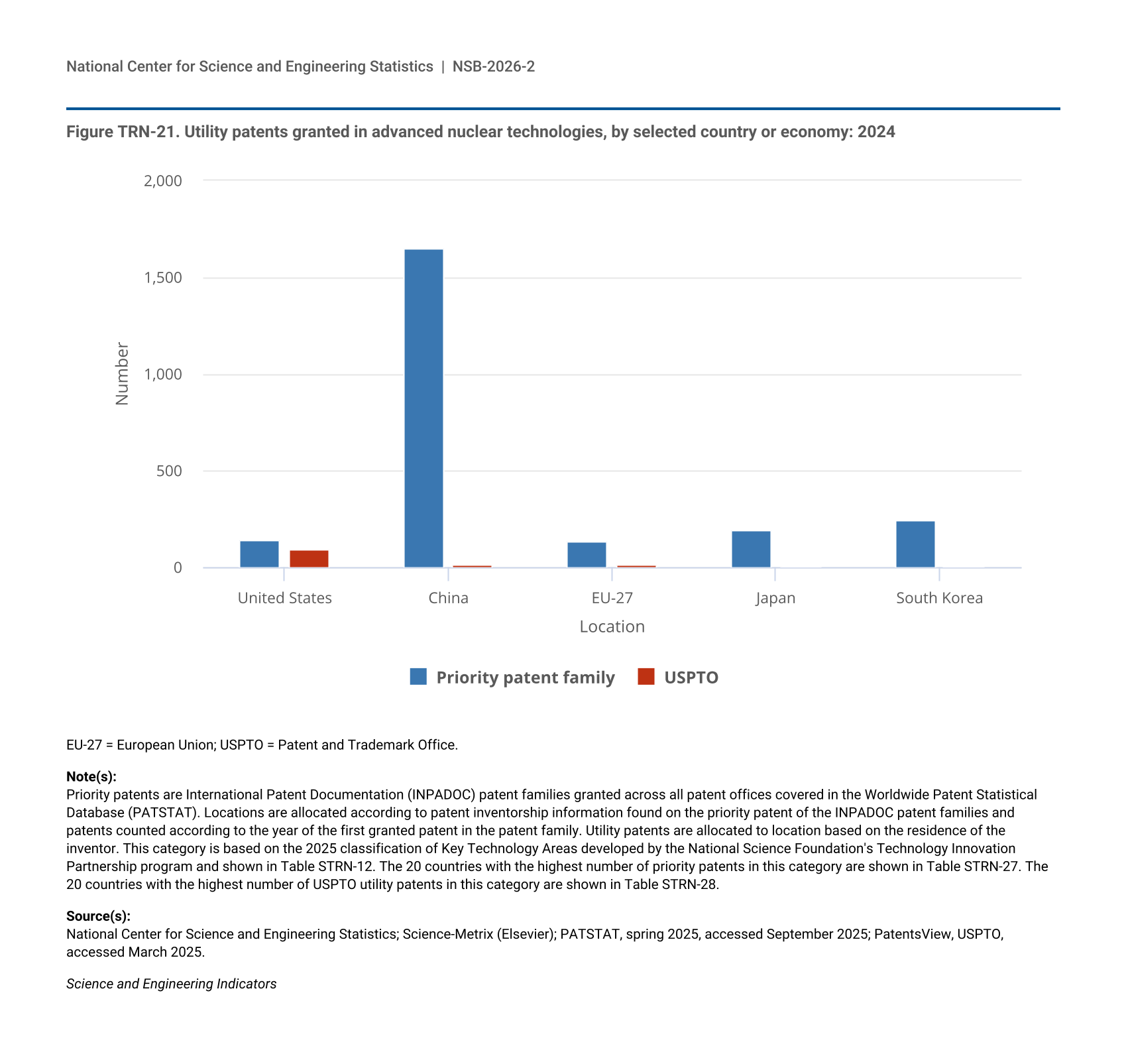
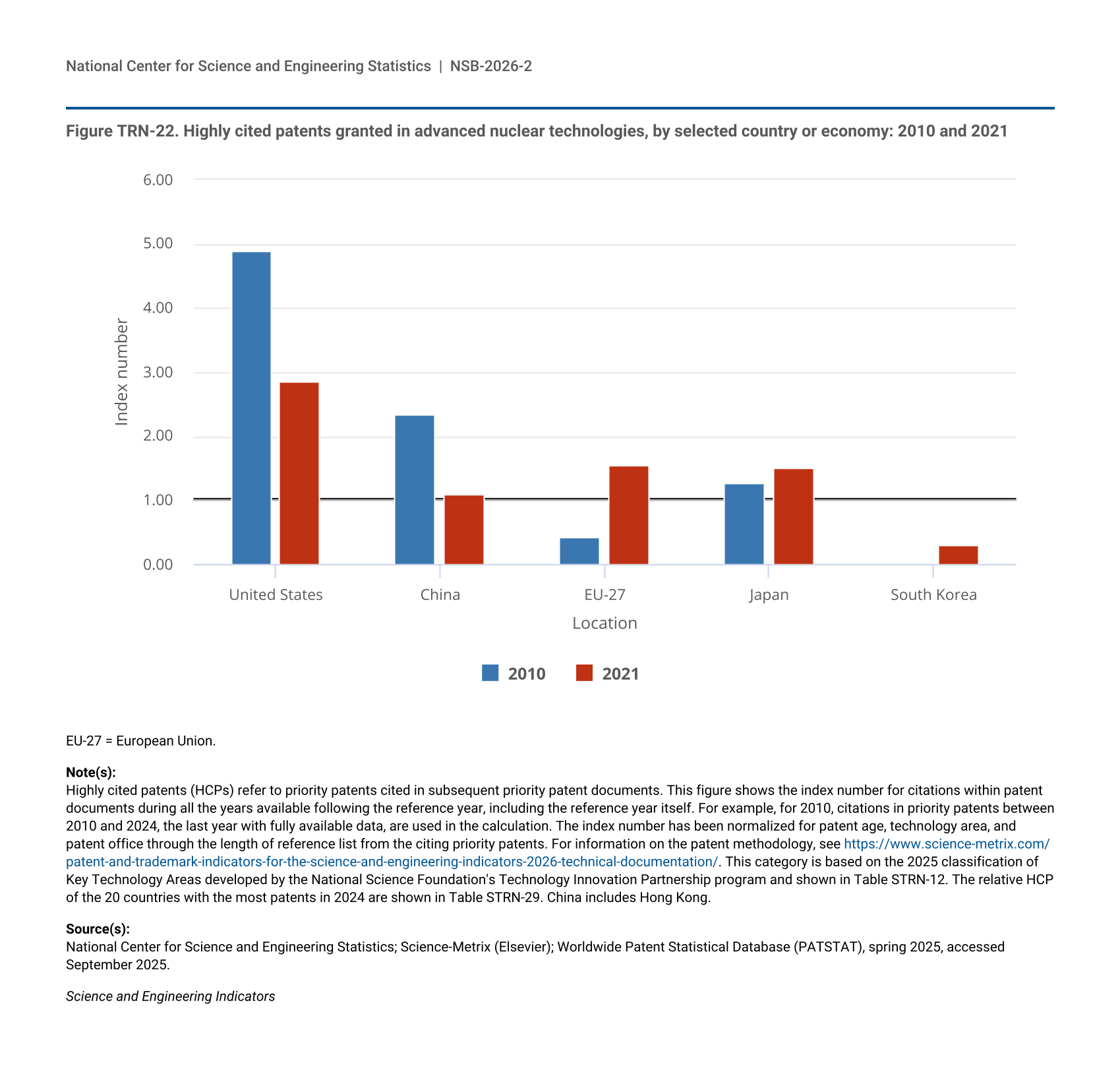
Granted patents provide a window into the technologies under development, and the location of inventors demonstrates where resources are being expended for research and the development of new products and processes. USPTO patenting is driven by the search for protection in the U.S. market; international patent data provide a broader view of international competition. Although patent quality standards and incentives differ across countries, priority patent family trends in critical technologies show the scale and strength of patenting in China and Asia in AI, biotechnology, semiconductors, QIST, and nuclear technology. At the same time, U.S. inventors still have an outsized impact through HCPs, including priority patent families. This is particularly true for patents in biotechnology and related technologies, an area of U.S. research strength.
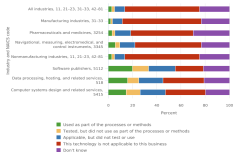
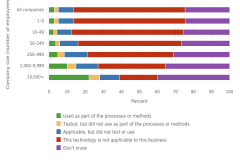
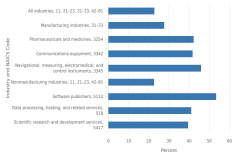
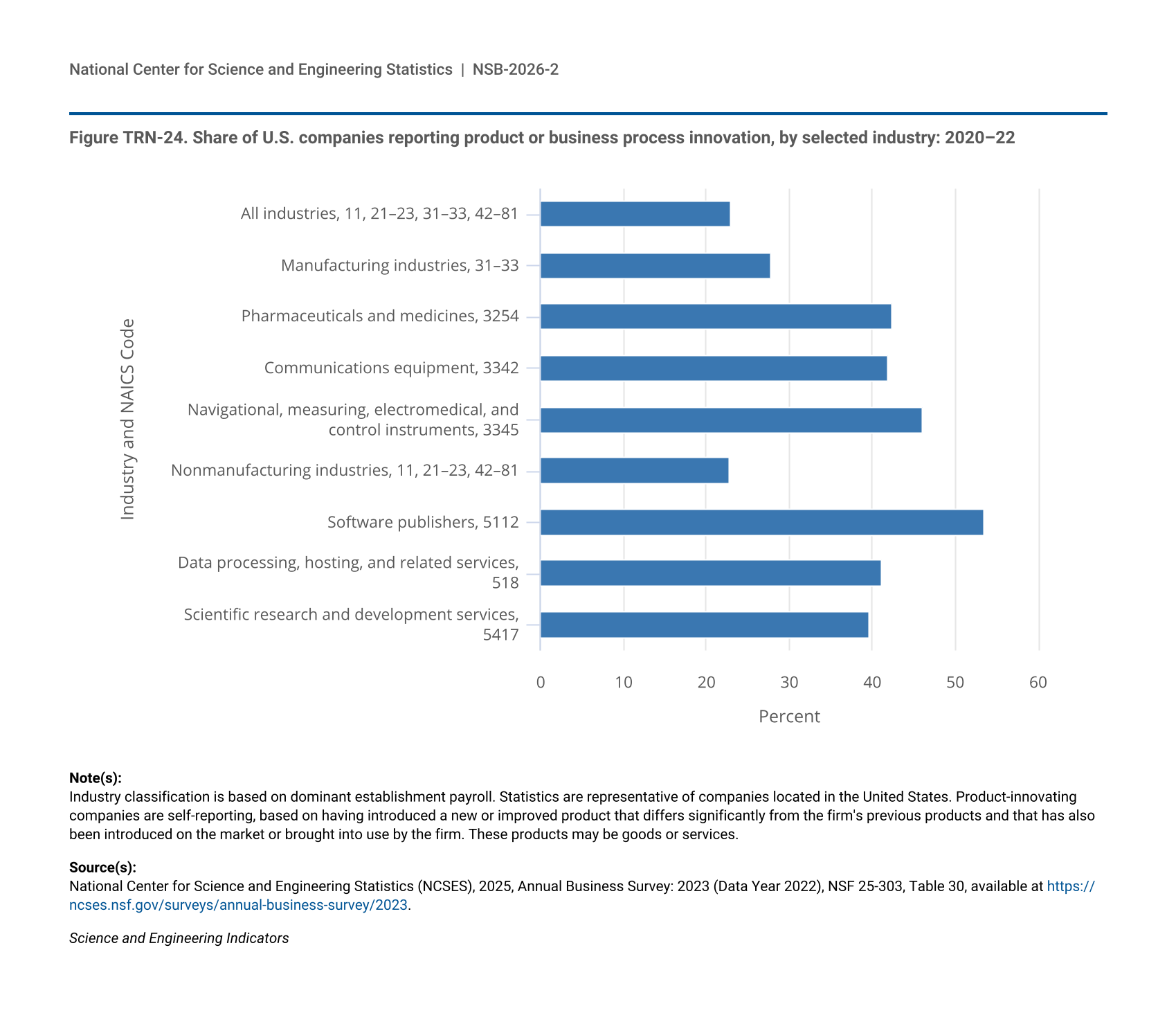
Businesses are large drivers of innovation activity in the United States; in 2022, 23% of businesses reported having introduced a new or an improved product or process to market in 2020–22. The innovation incidence rate is much higher for businesses in KTI industries, such as software (54%) and pharmaceutical manufacturing (42%), compared with the national average for all businesses (23%).
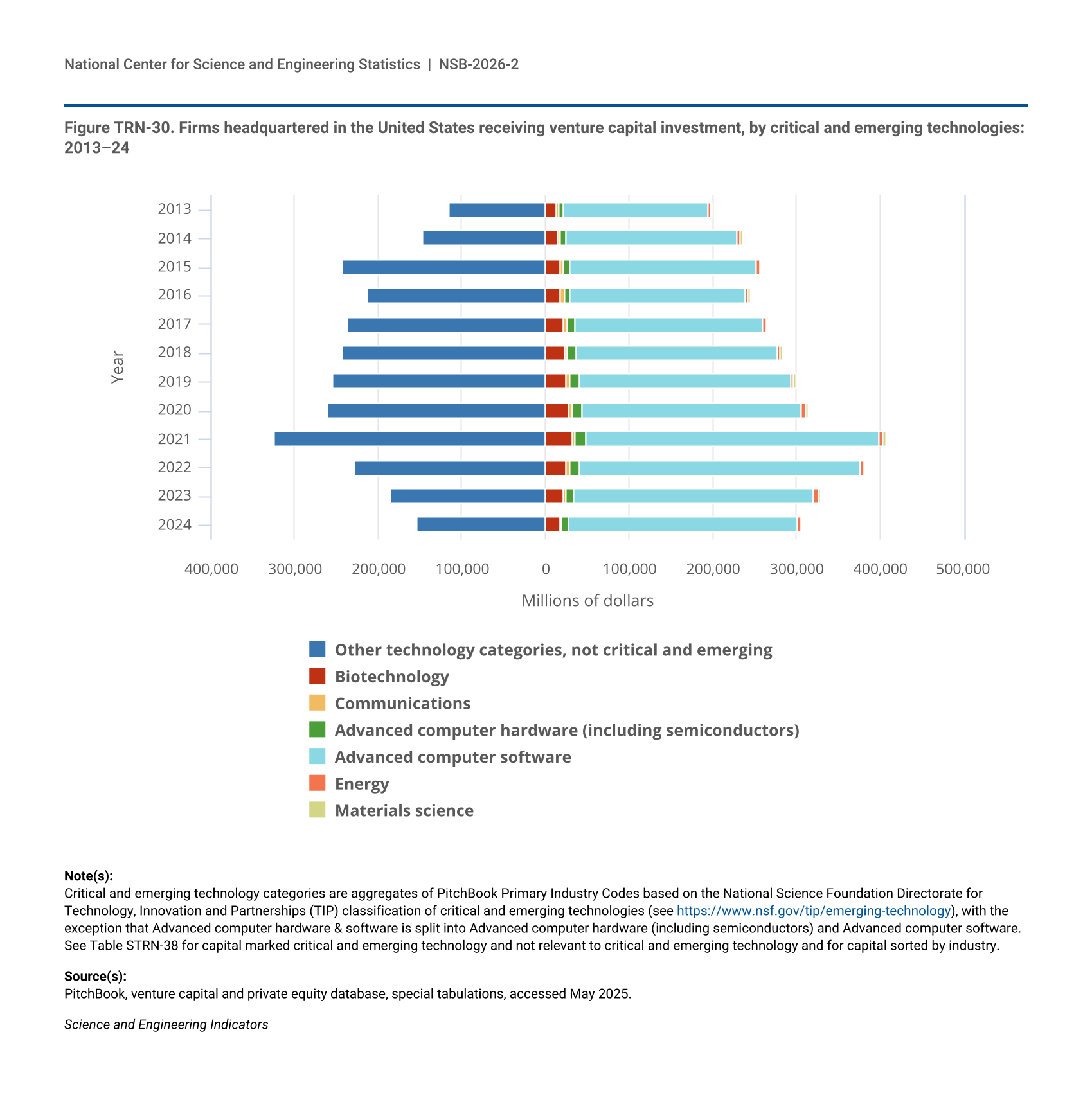
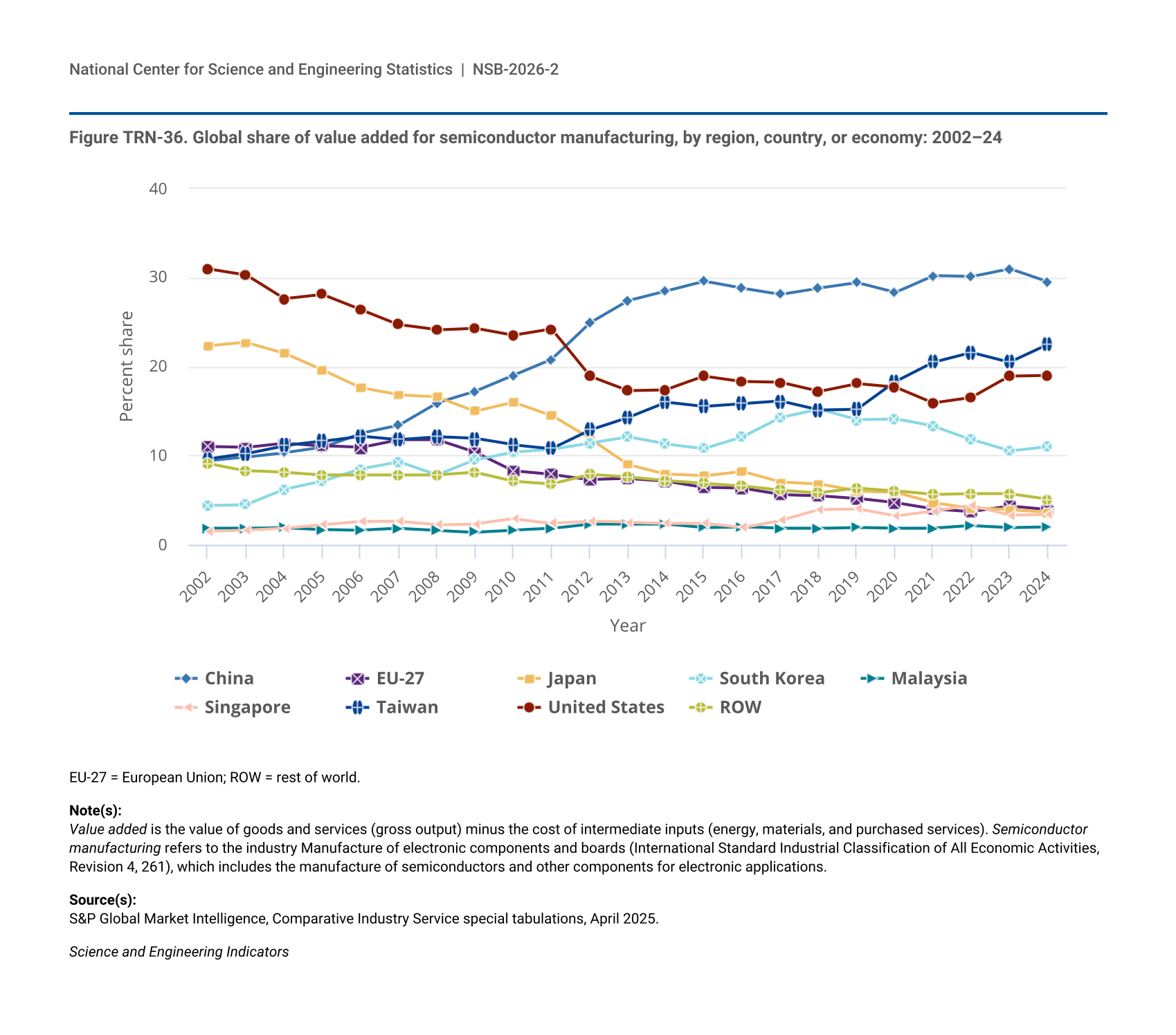
In addition, the translation of scientific discovery and invention gives rise to new products and services that support the creation and growth of new and existing companies and industries. The economic effects of translation activity are seen over time in the shifting composition of the United States’ and other economies’ industry base and the organization of trade among countries. Several of the critical and emerging technology areas of national-level policy focus examined in this report (AI, biotechnology, semiconductors, and QIST) are characterized by relatively high levels of business R&D spending and the use of patenting to protect IP.
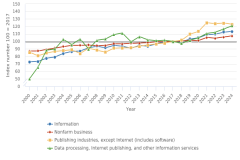
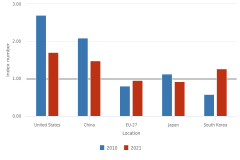
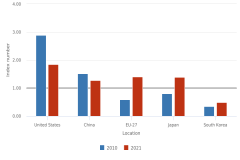
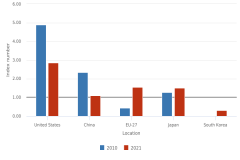
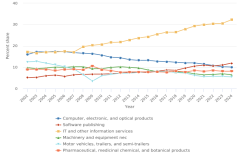
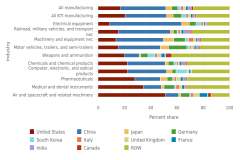
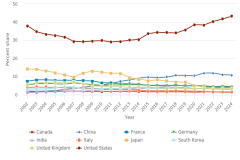
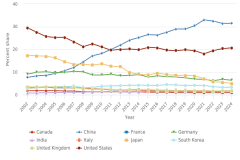
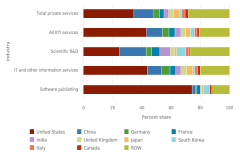
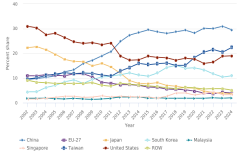
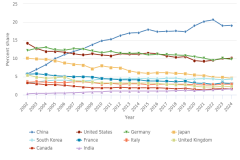
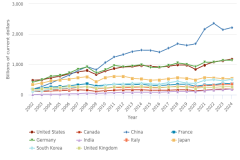
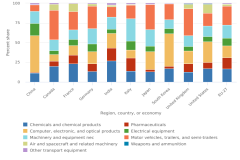
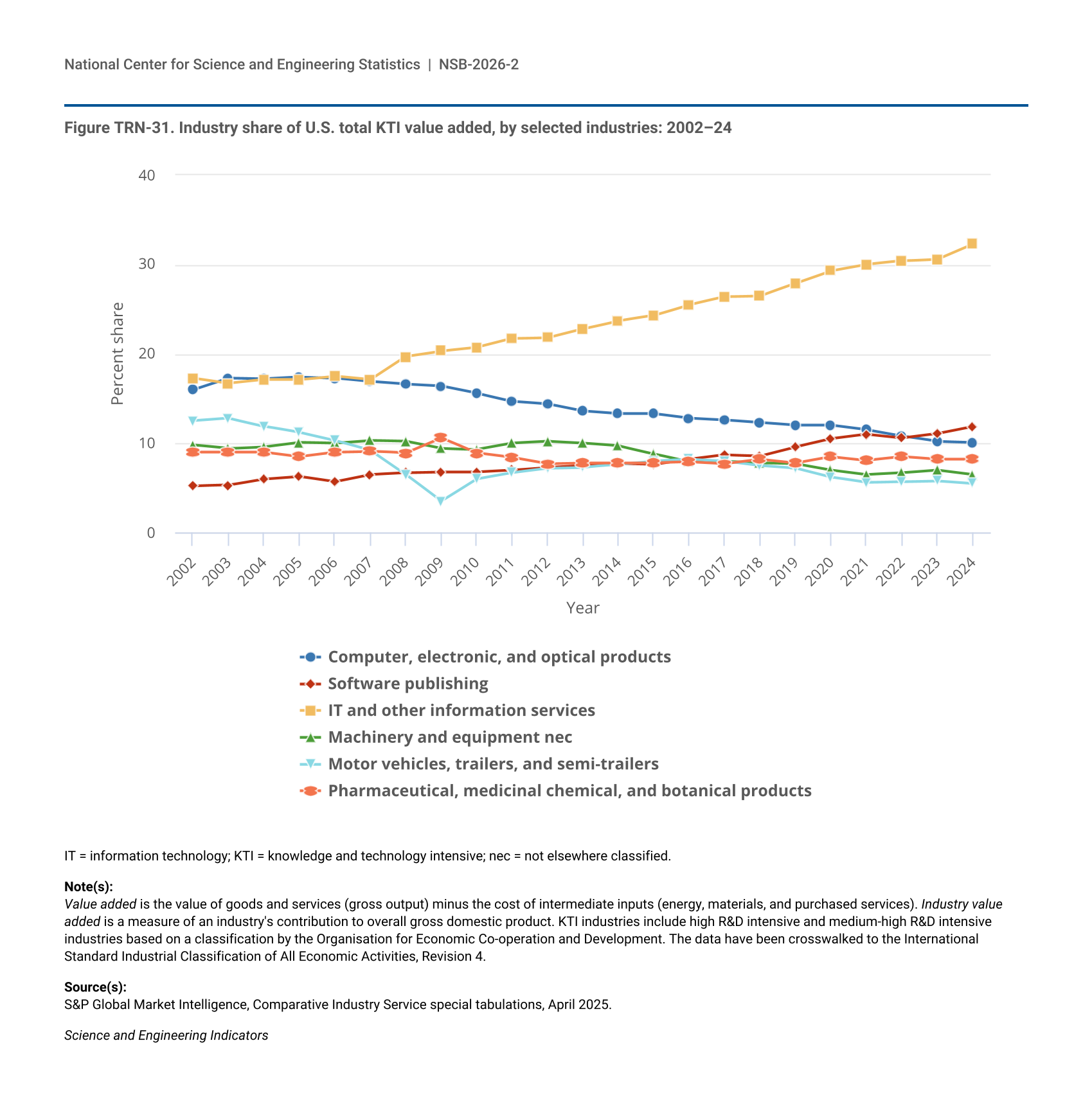
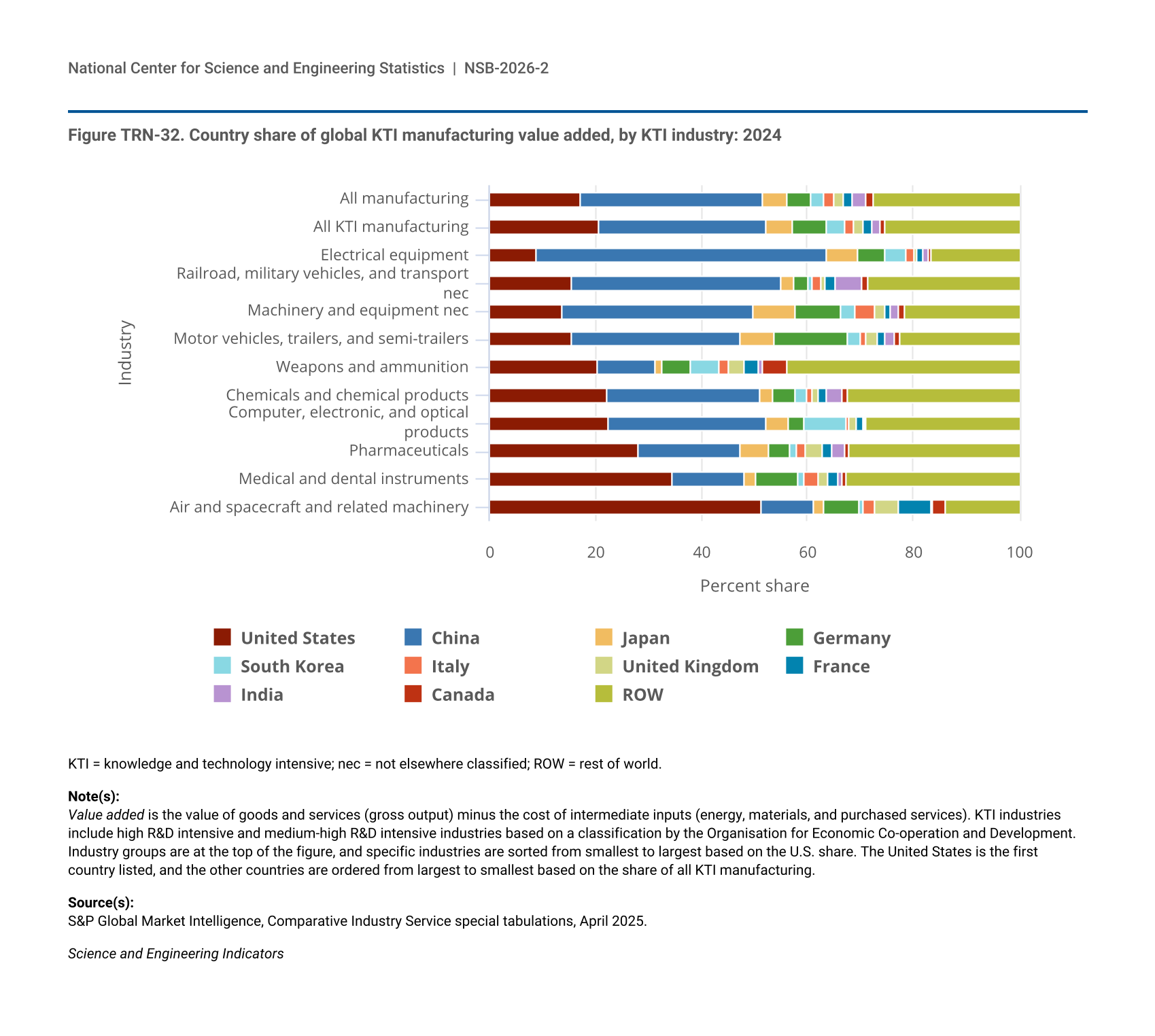
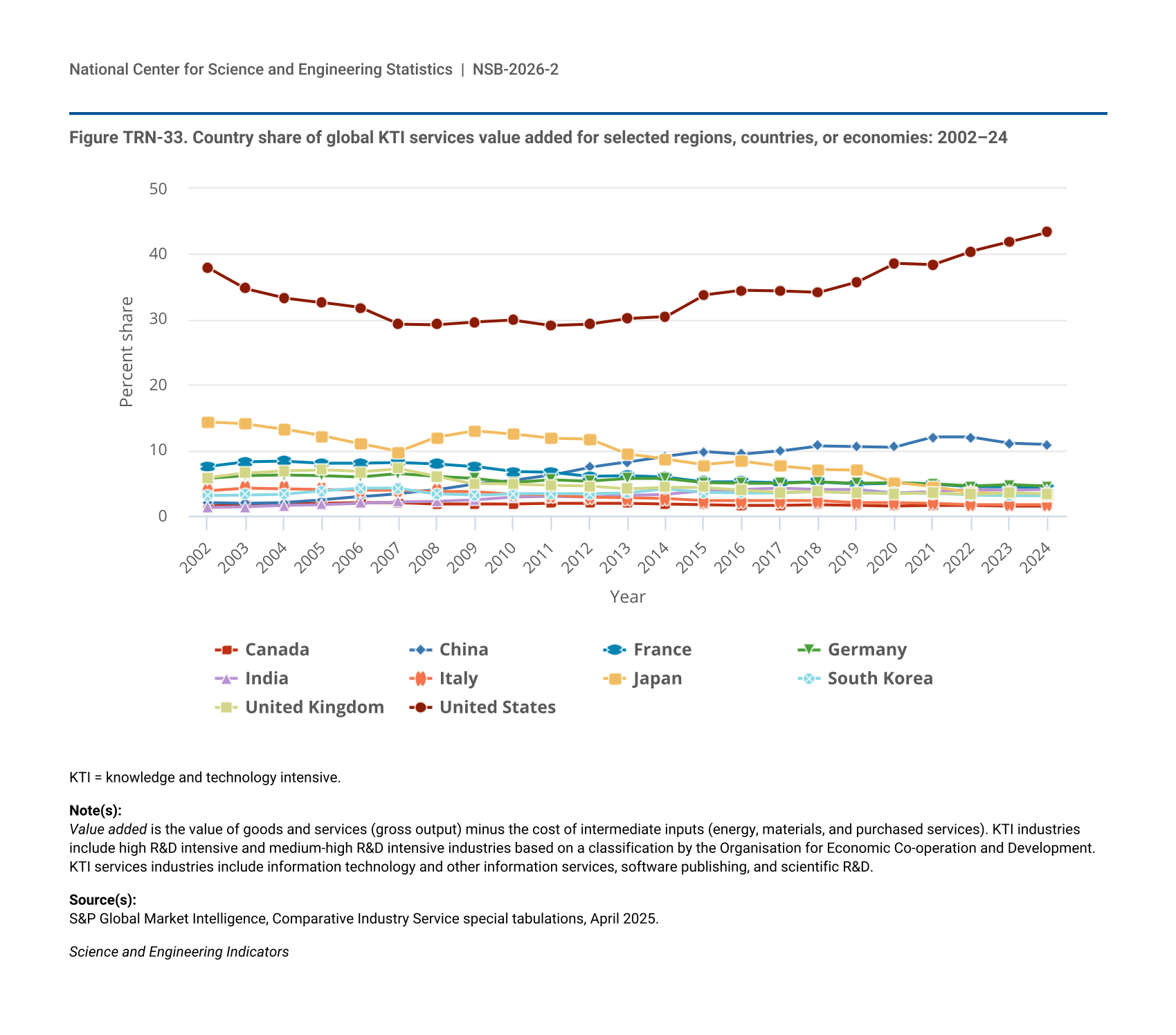
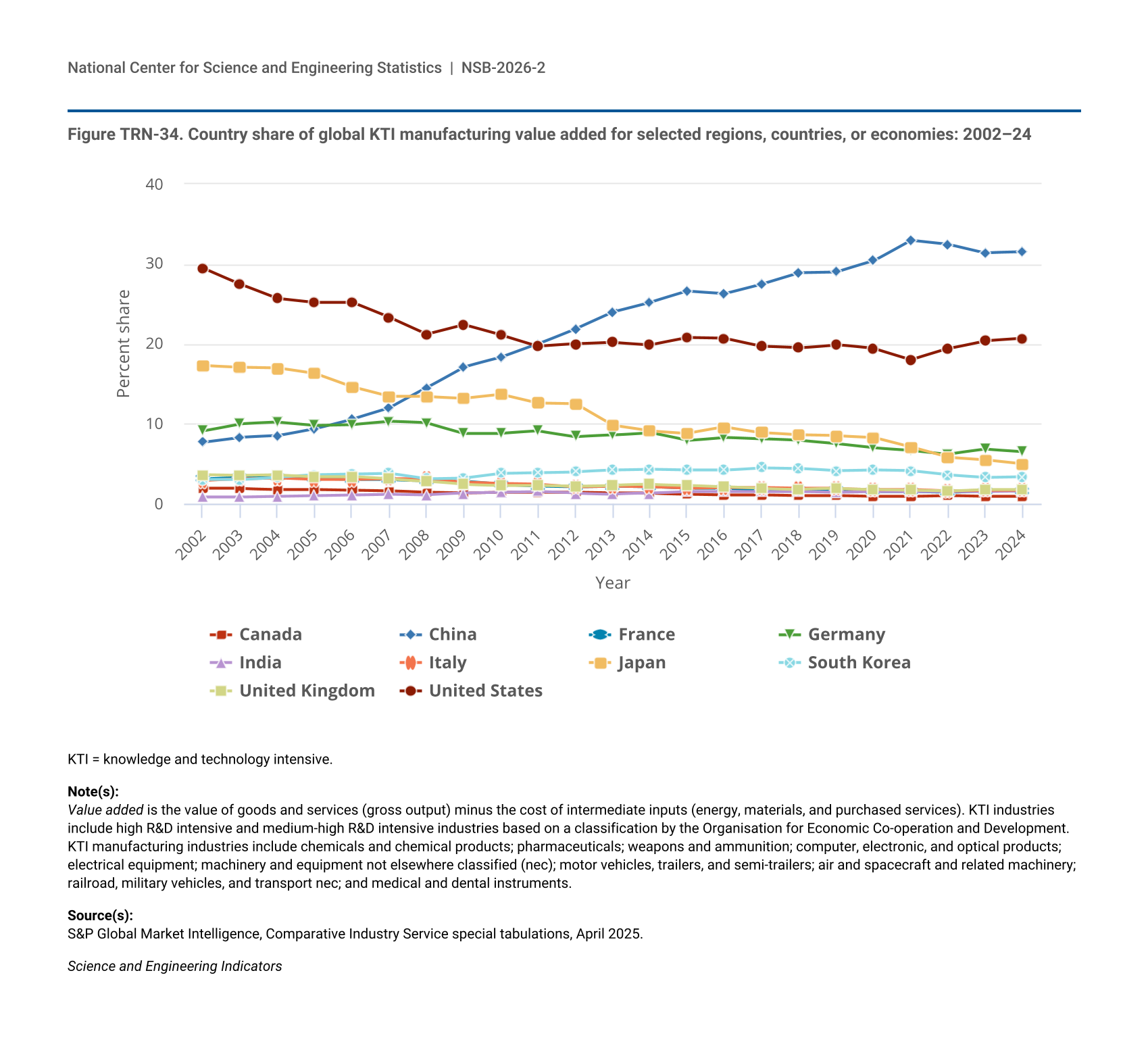
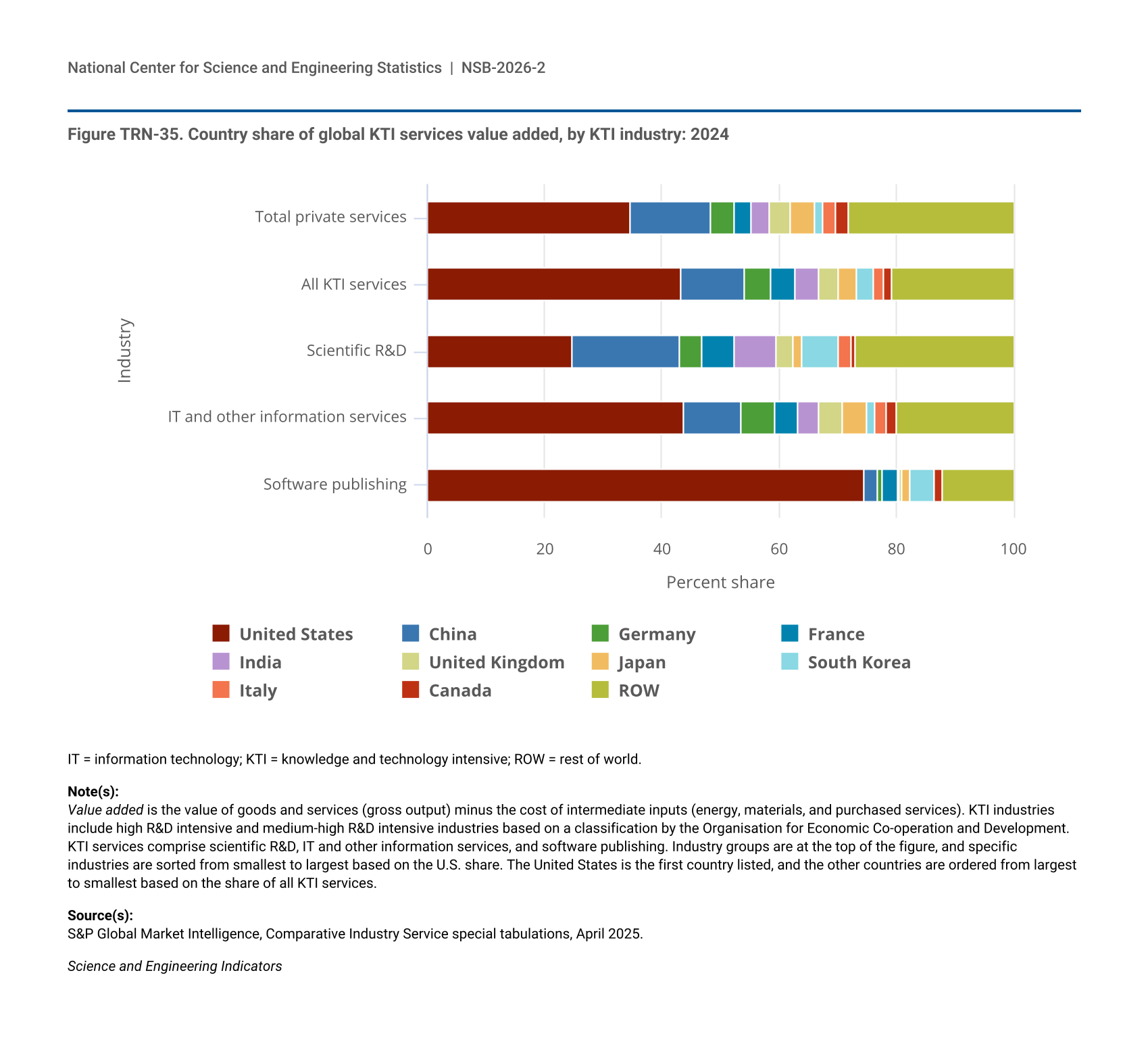
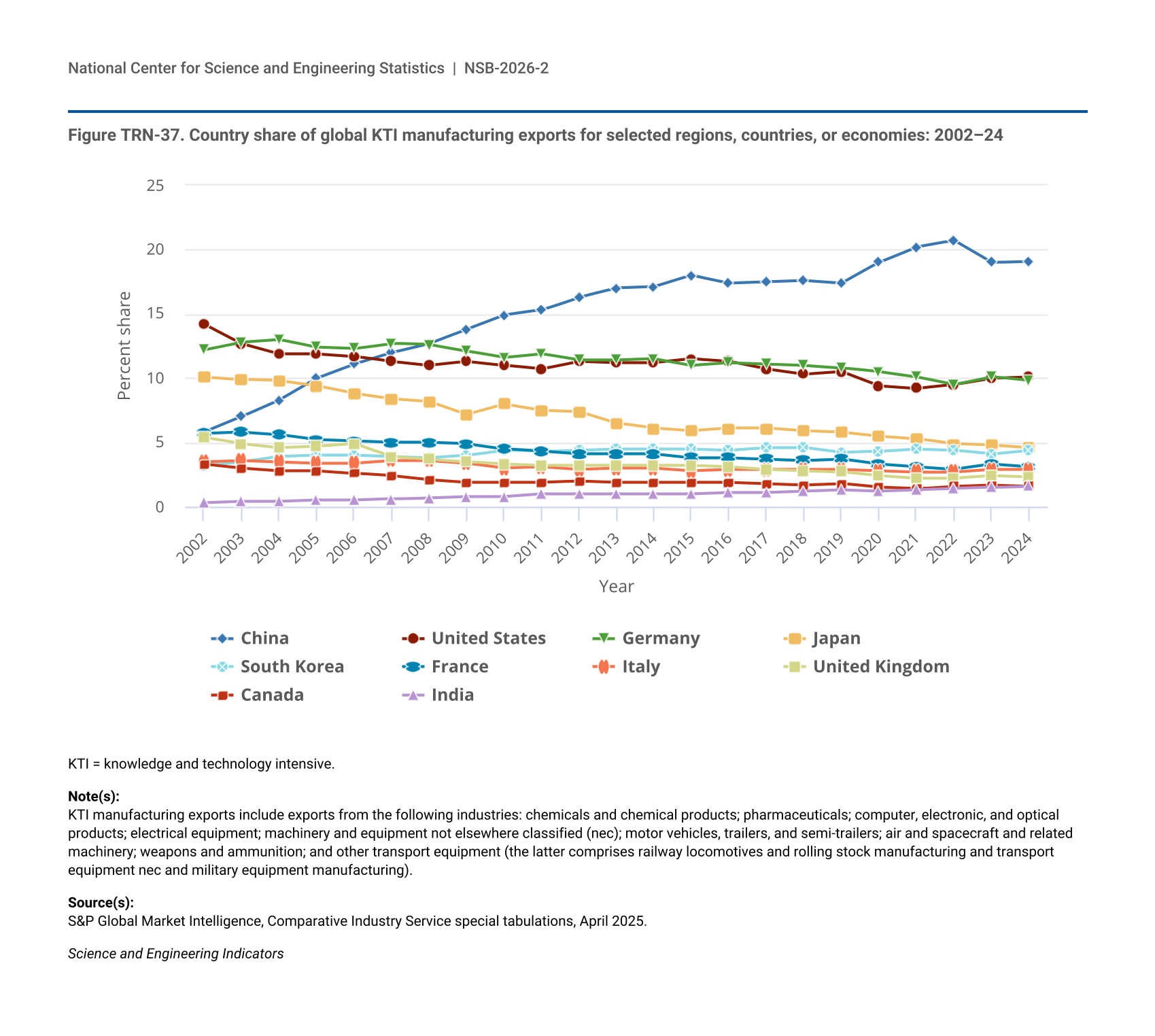
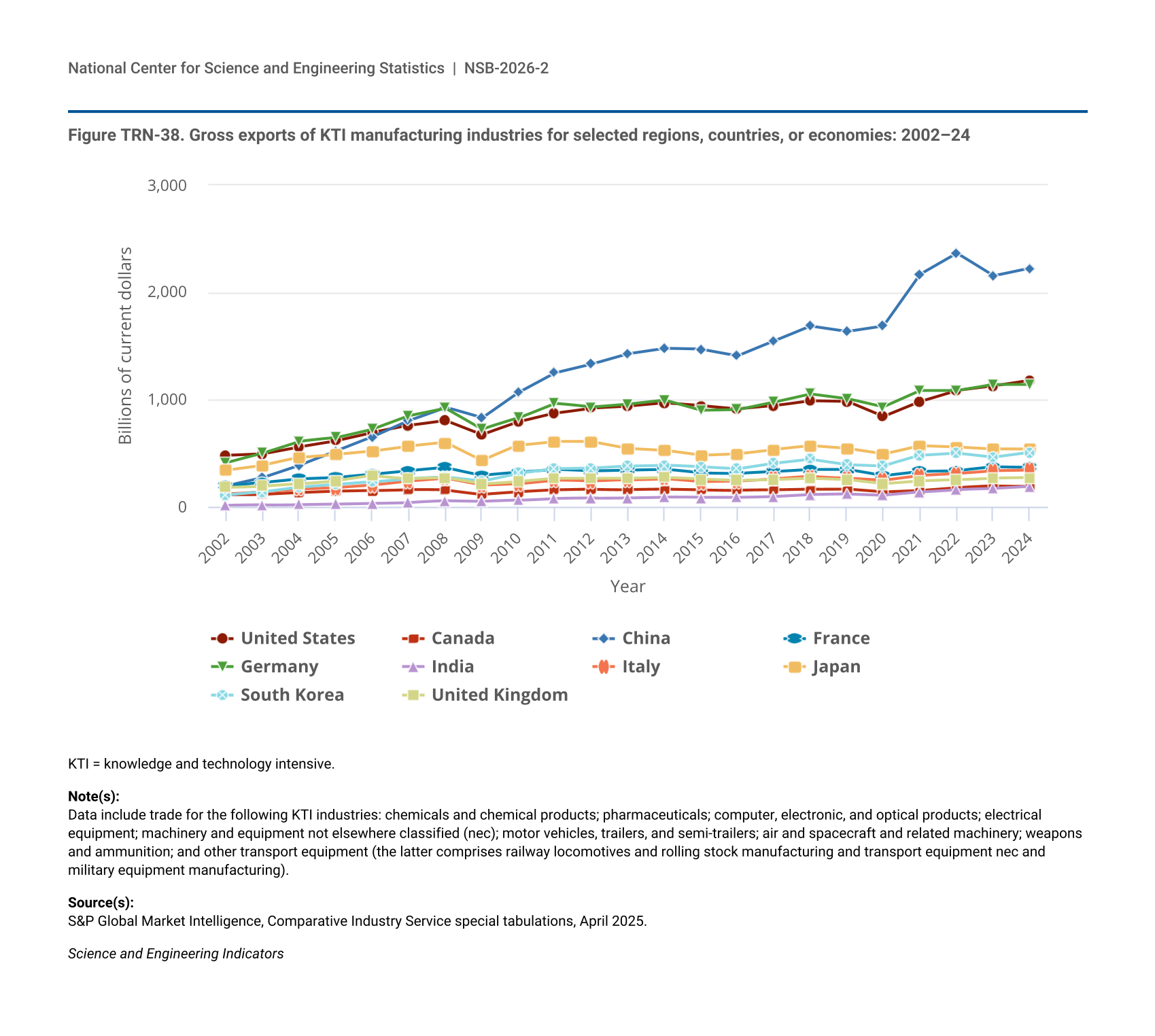
Indicators of discovery, technology transfer, innovation, and KTI economic activity point to strengths and weaknesses across countries and over time in different critical and emerging technologies and industry sectors. South Korea, China, Germany, and Japan each have had a higher KTI production intensity than the United States since 2002. China has had the largest KTI manufacturing sector globally since 2011 and has been the largest single exporter of KTI manufactured goods since 2008, while the United States has been the largest KTI services producer for over two decades.