An official website of the United States government



Conclusion
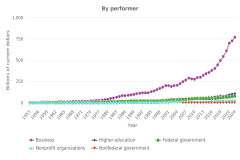
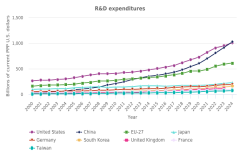
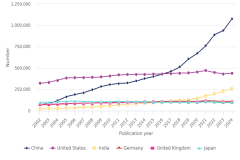
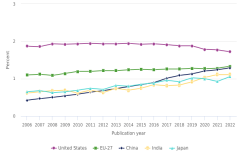
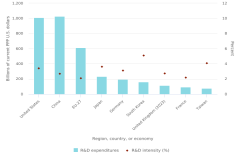
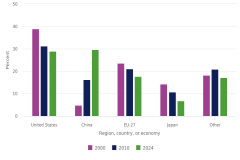
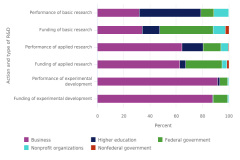
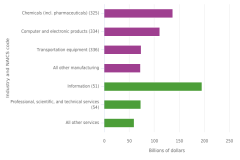
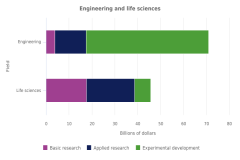
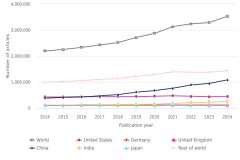
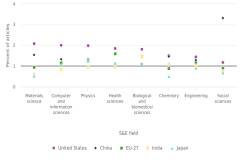
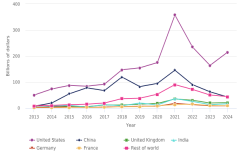
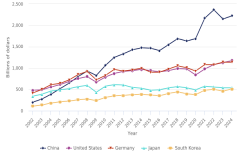
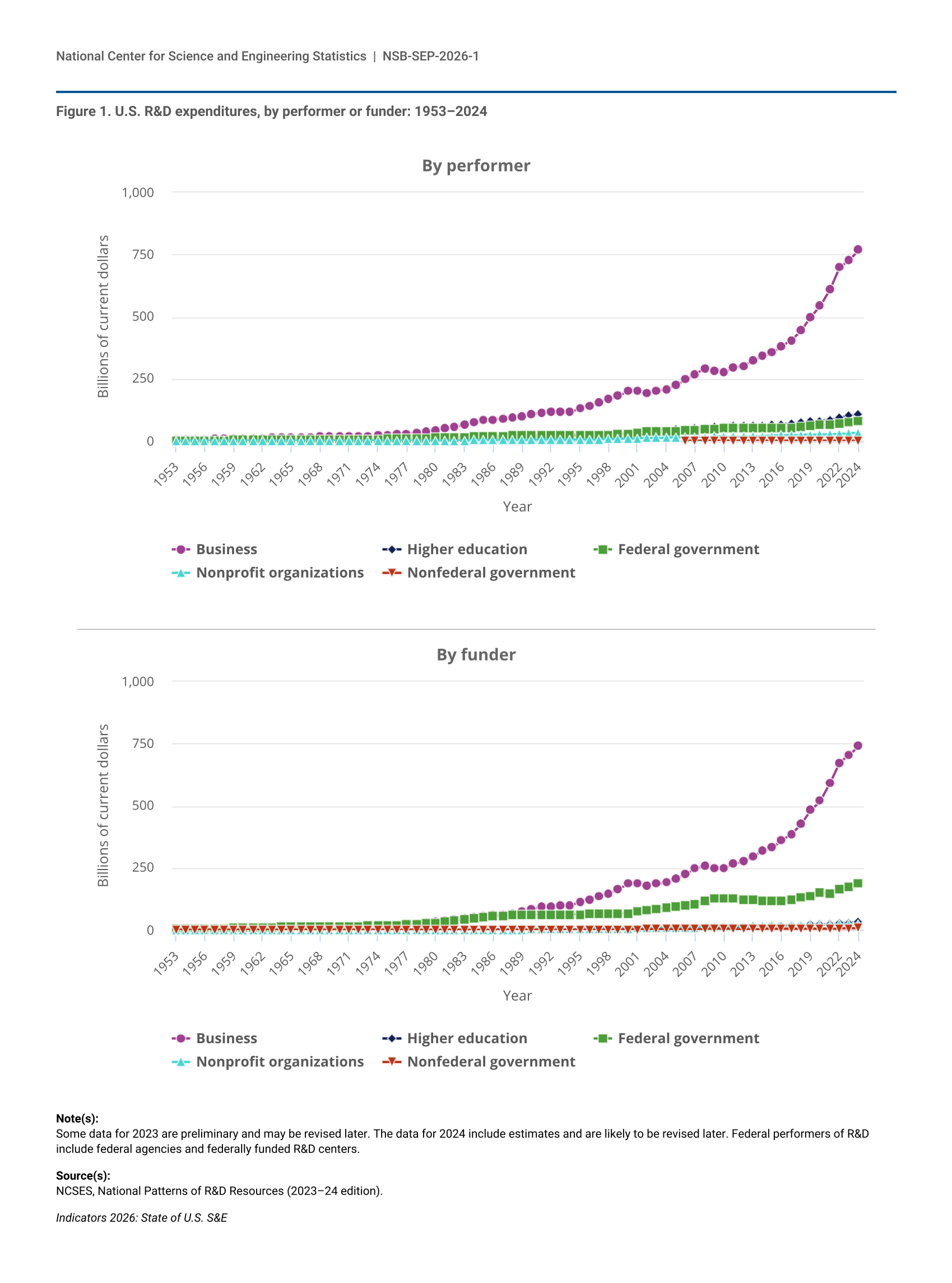
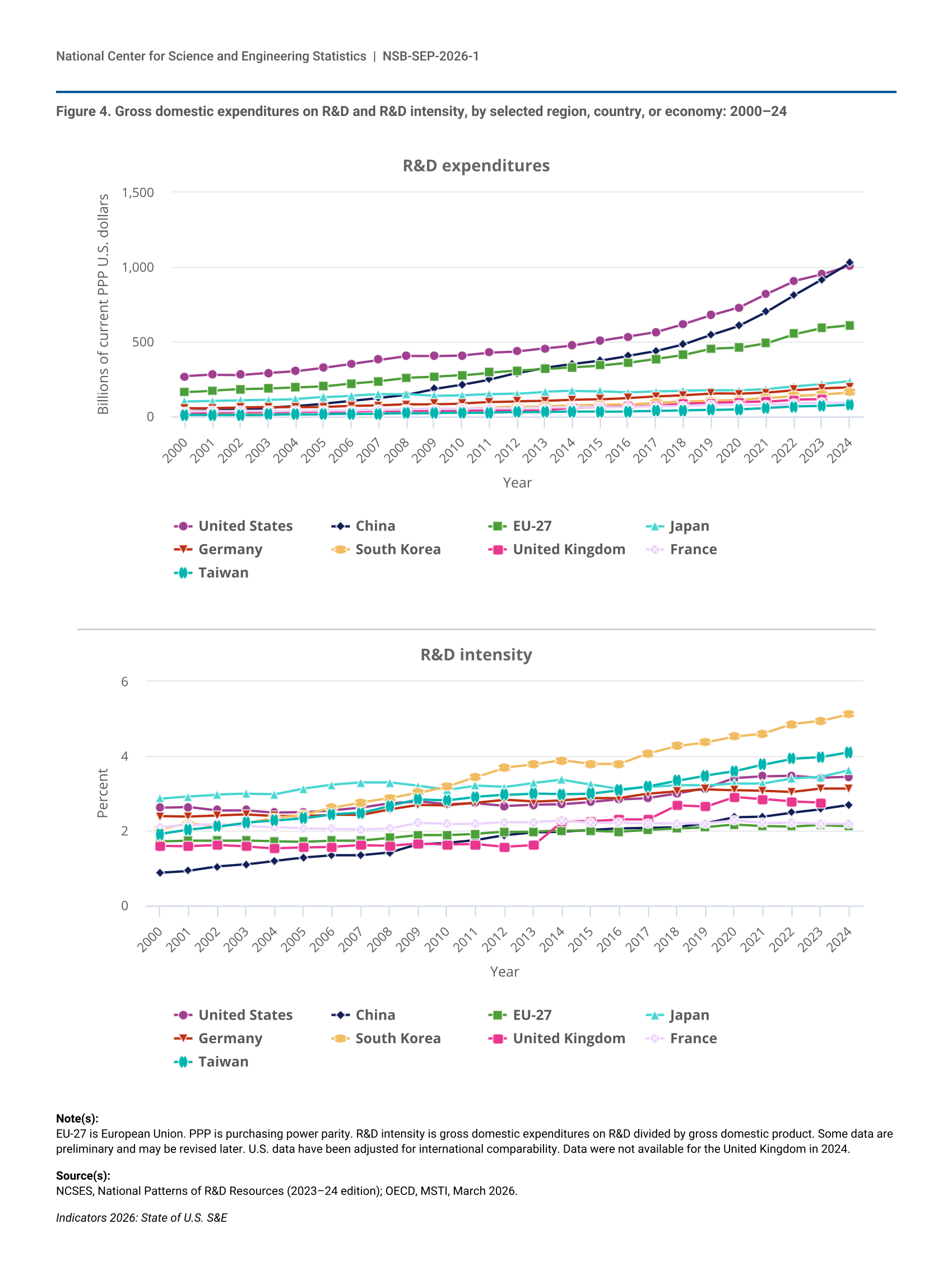
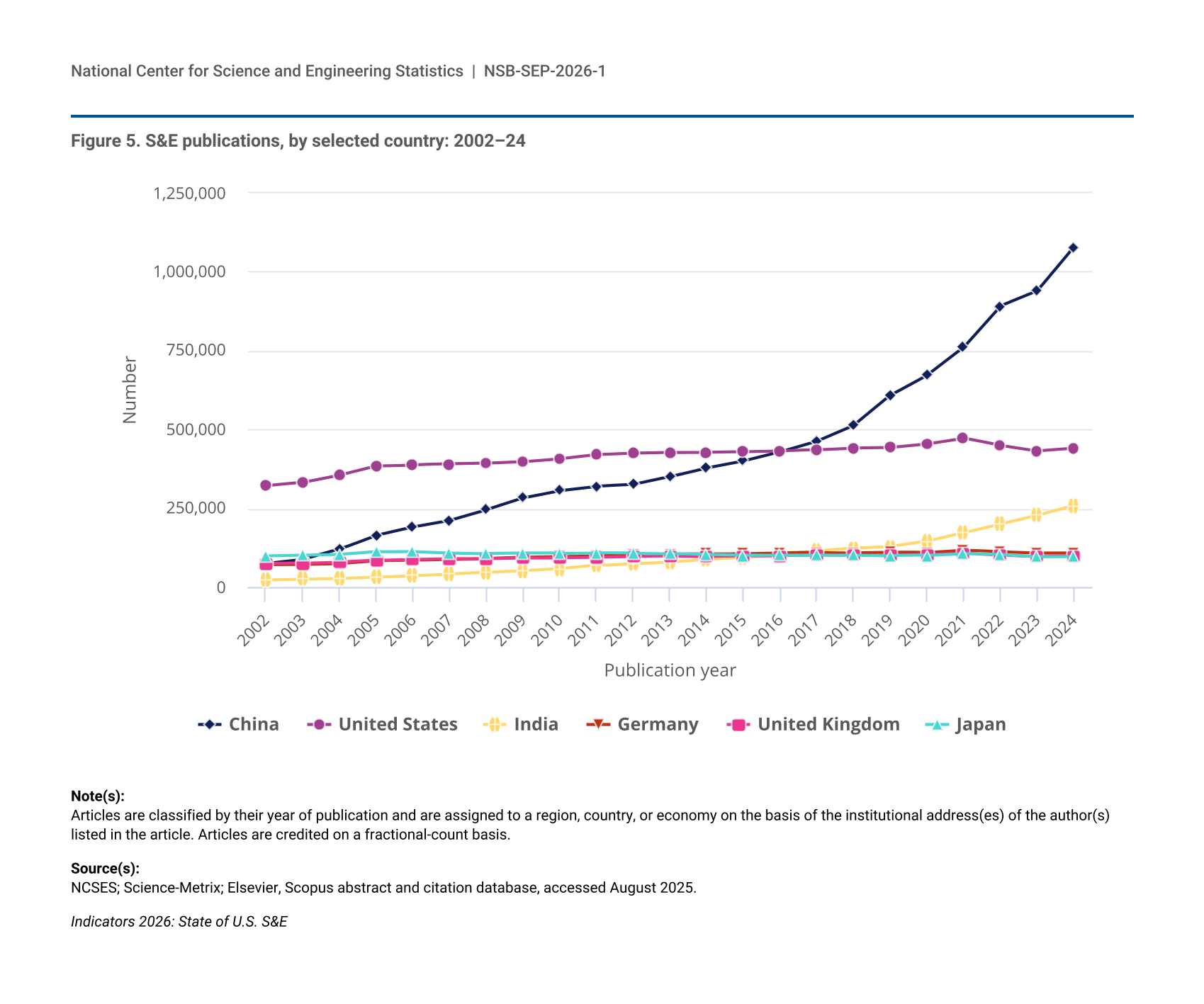
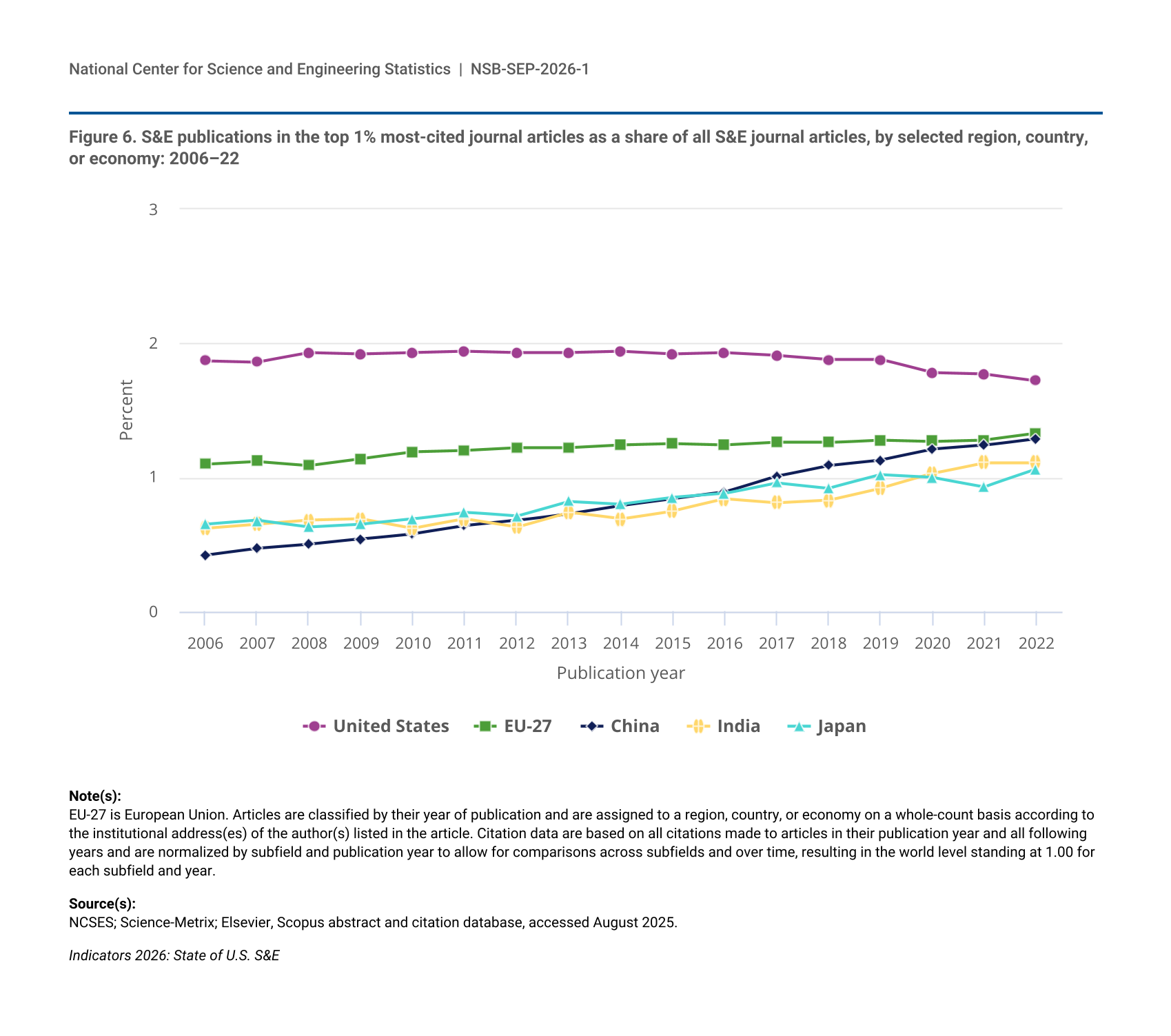
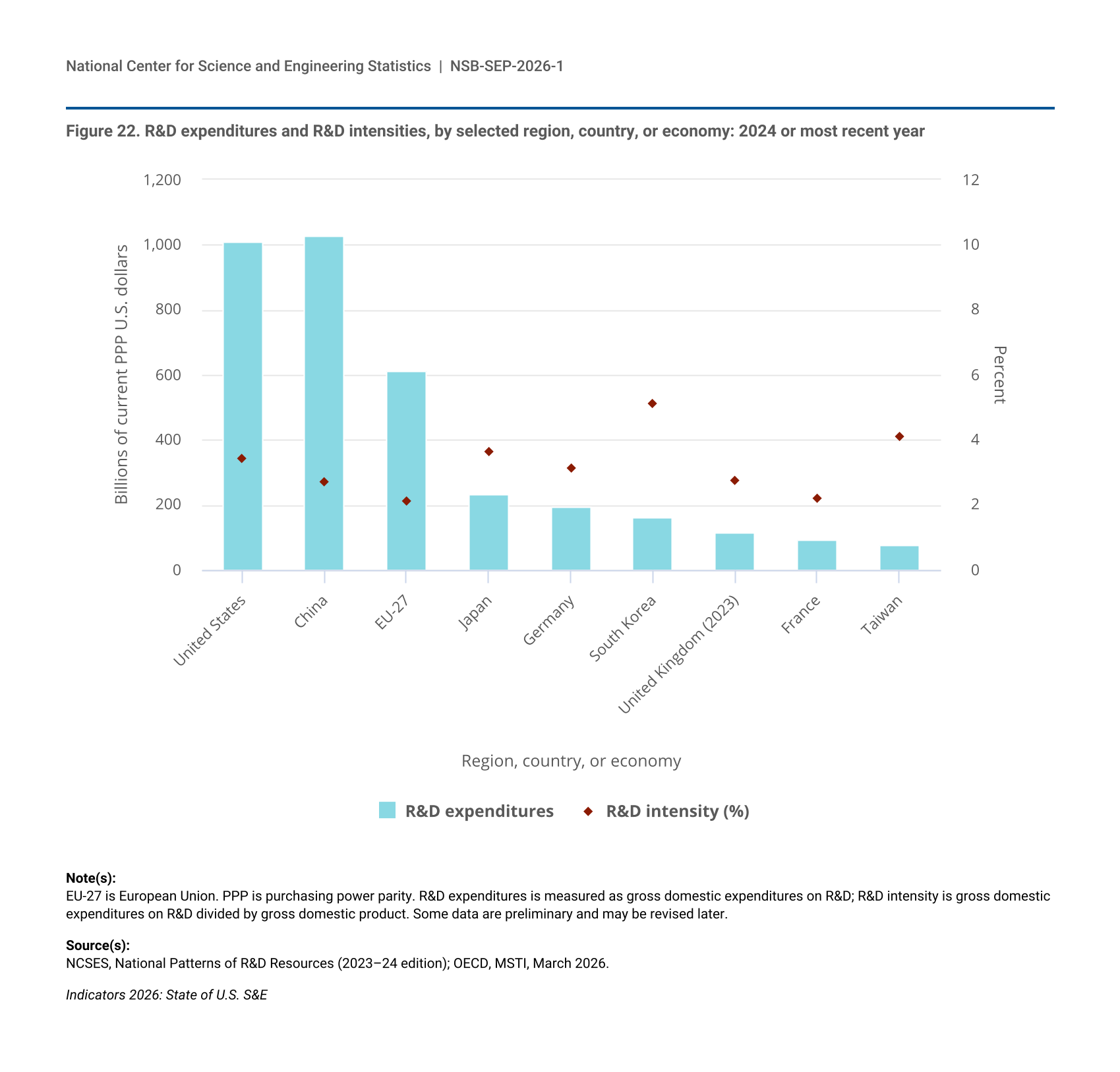
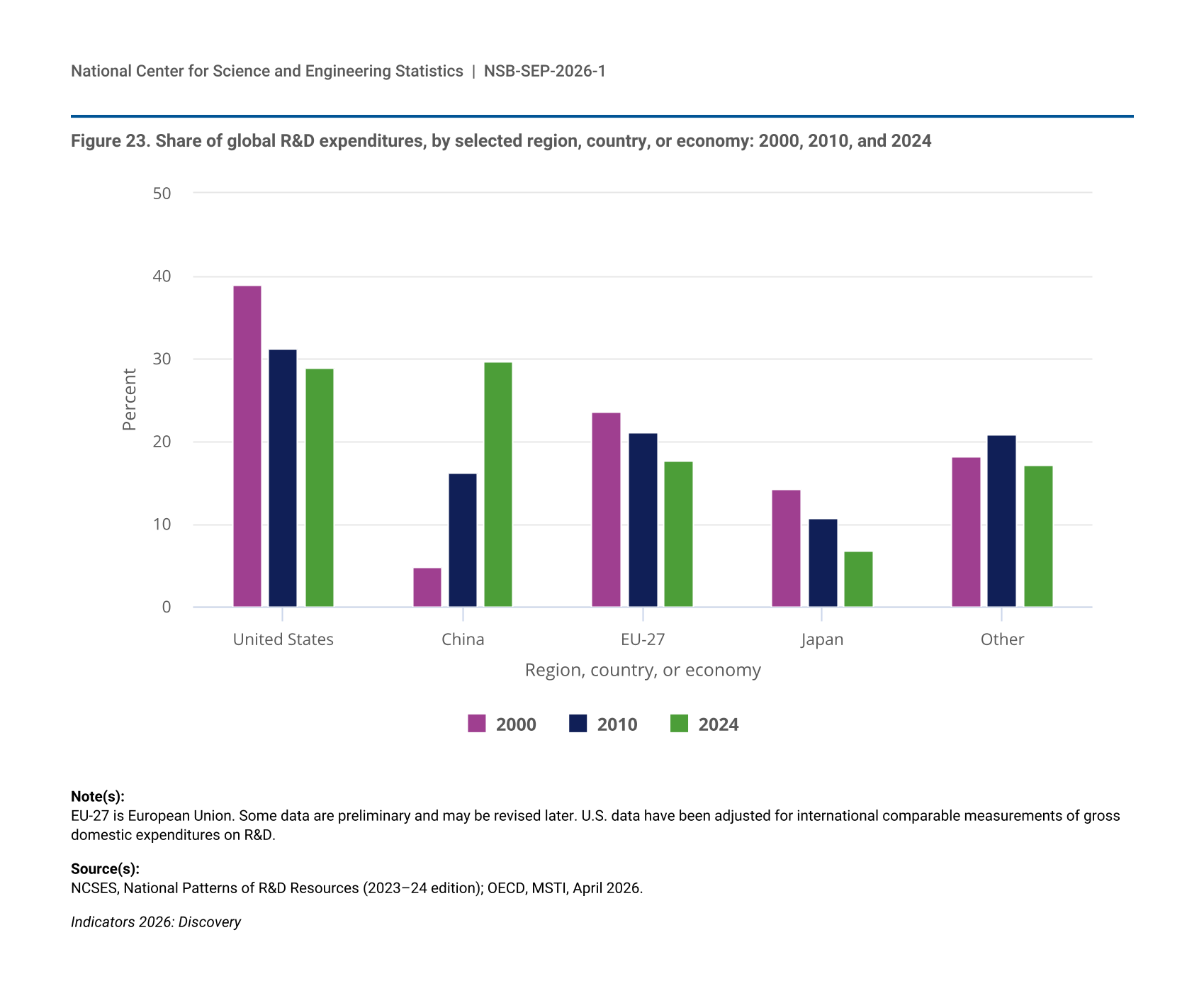
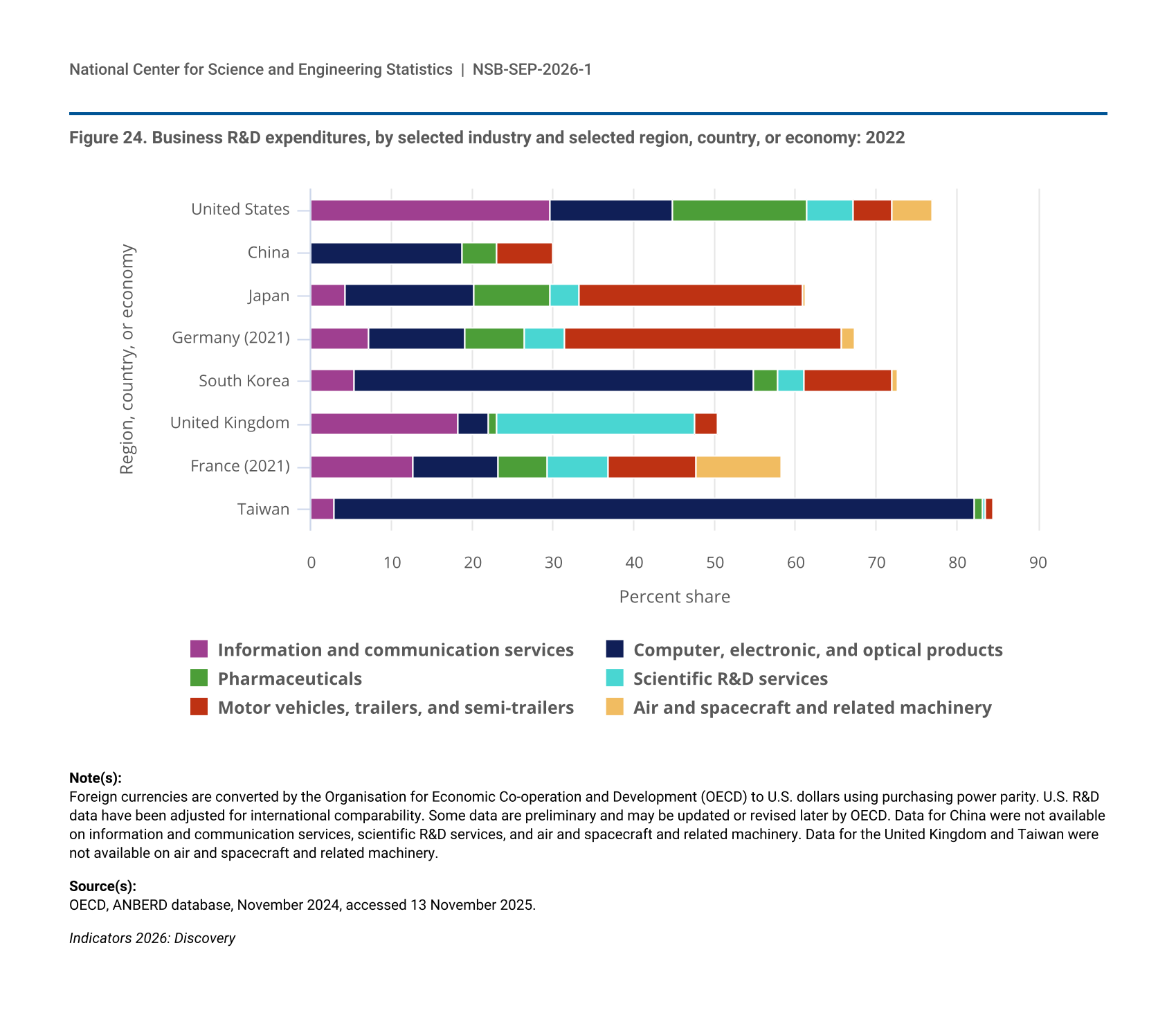
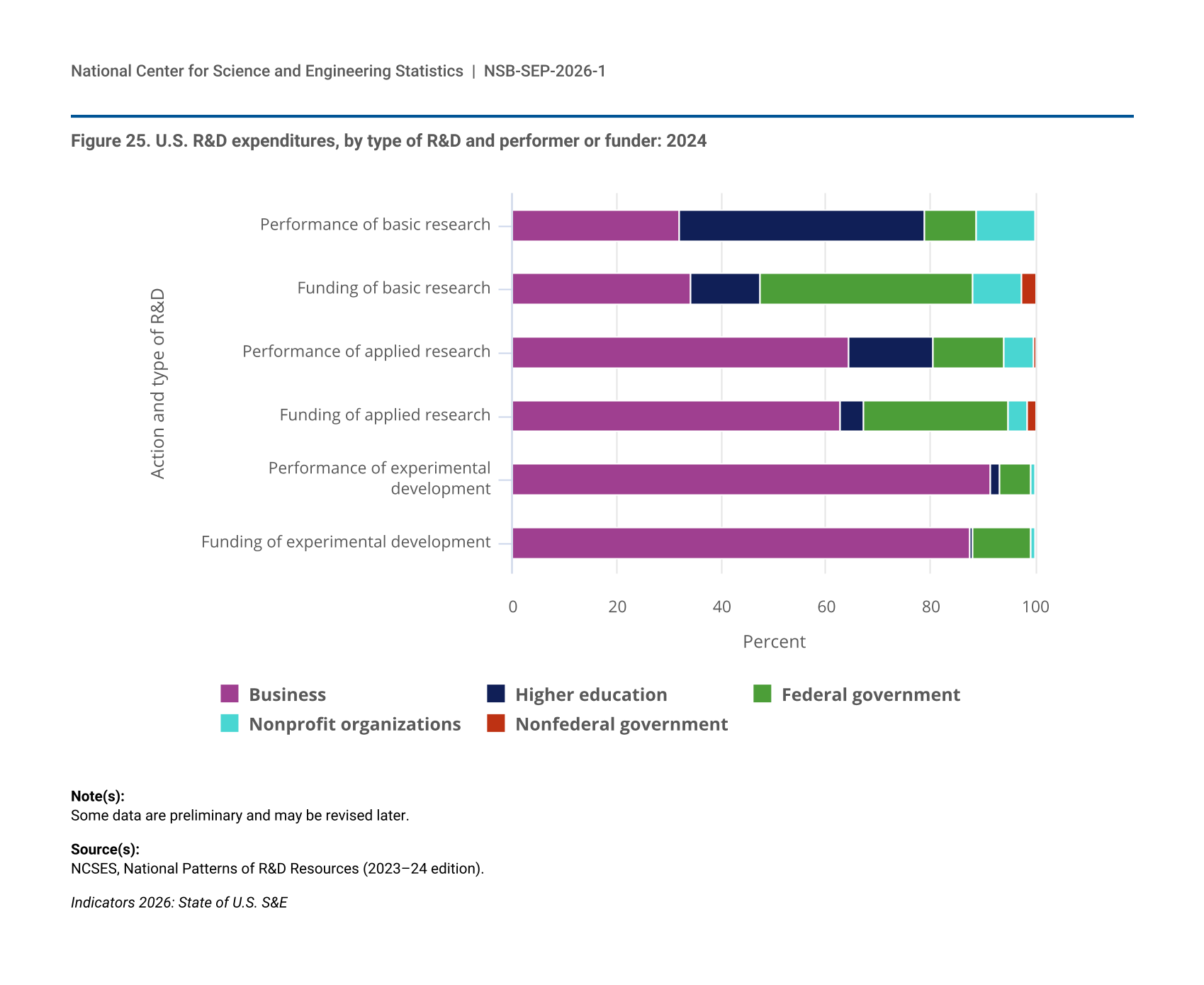
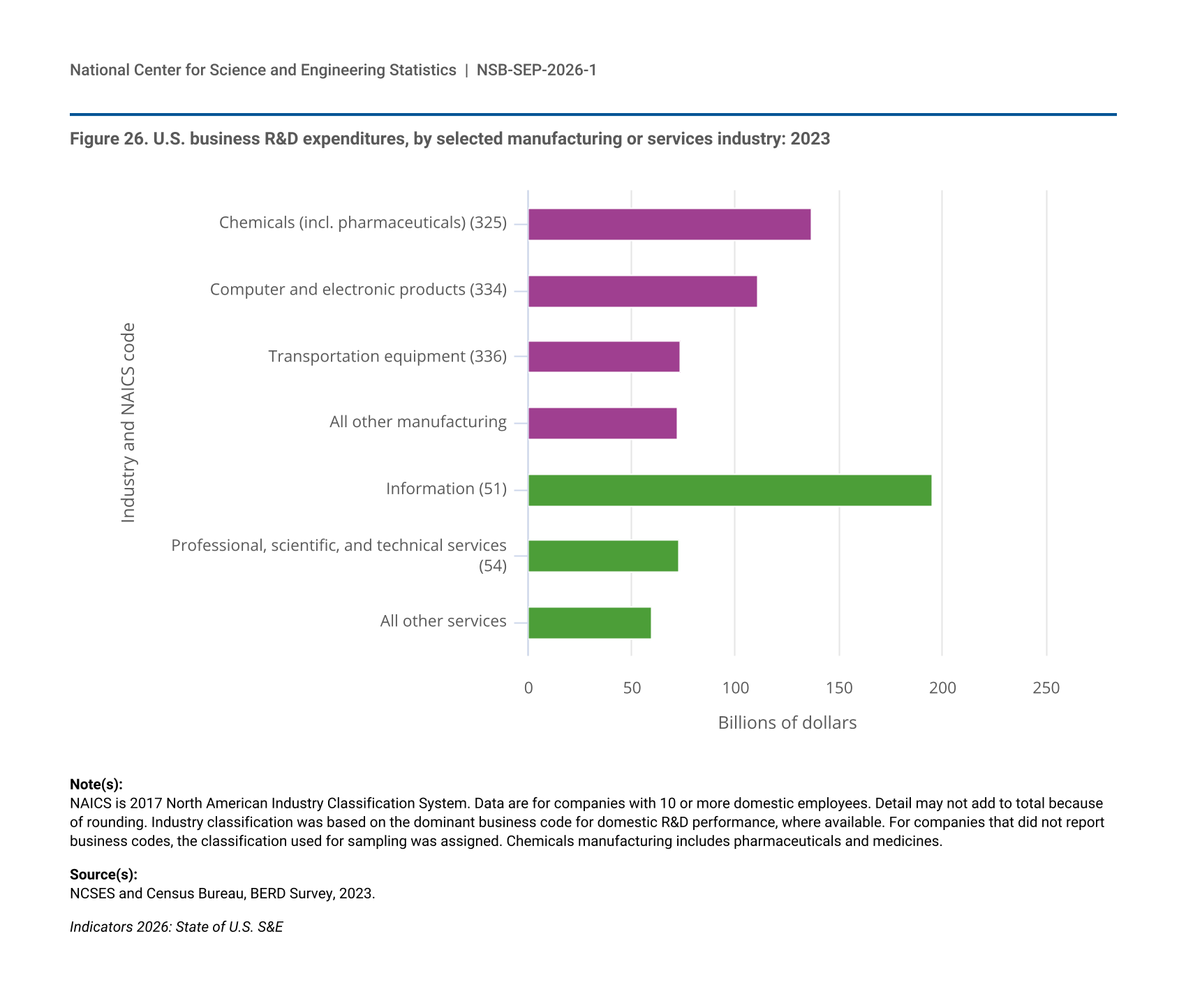
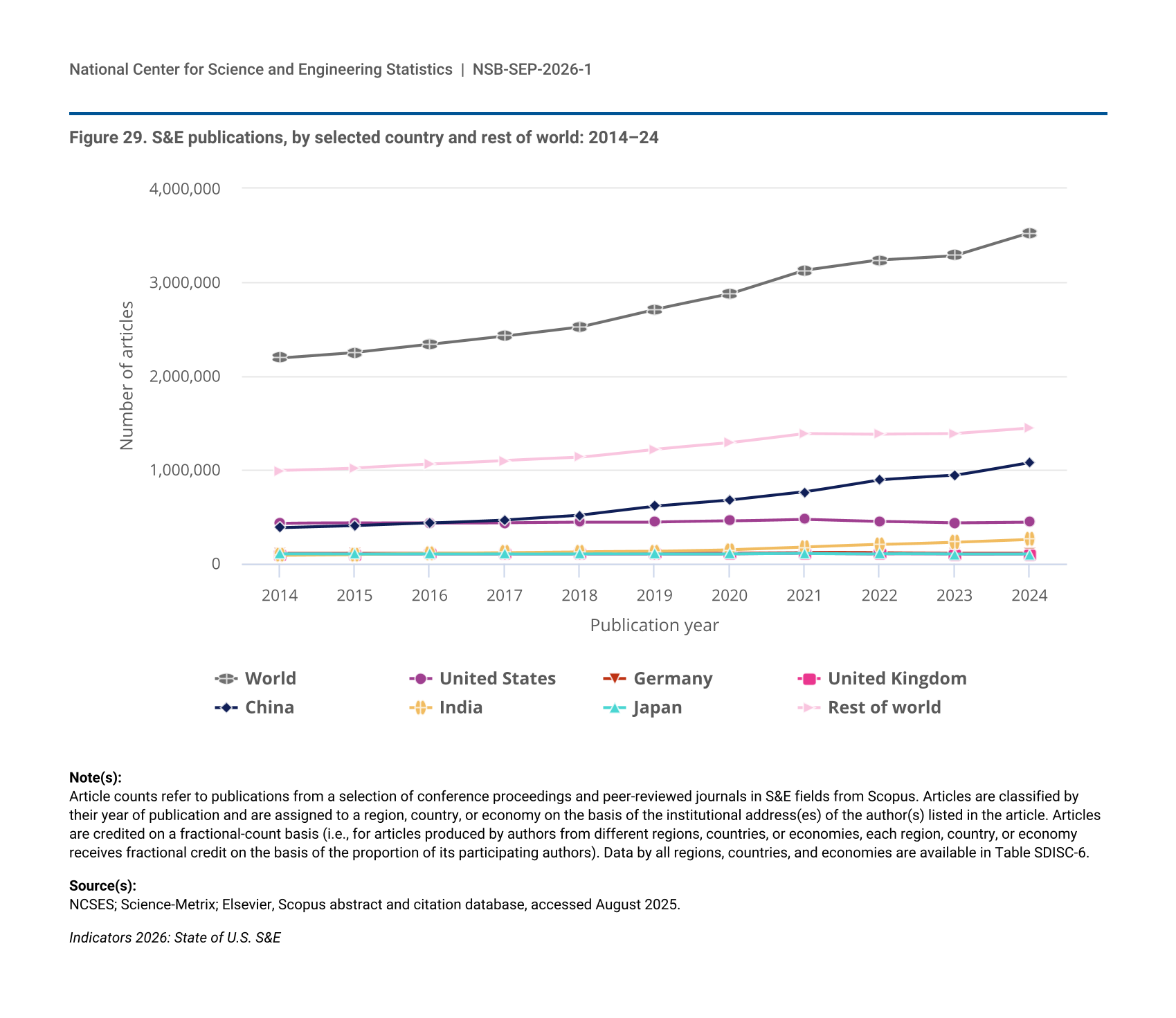
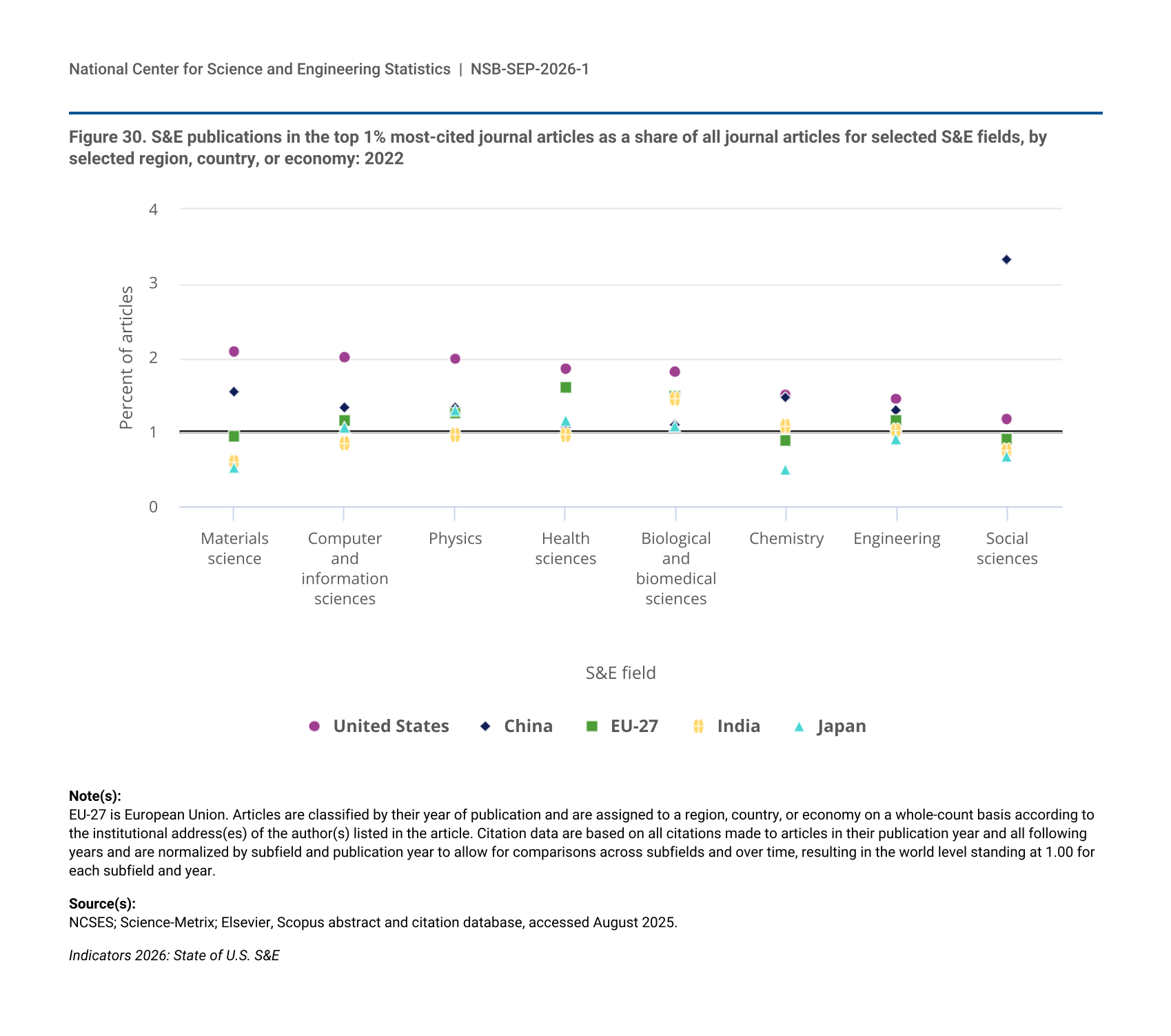
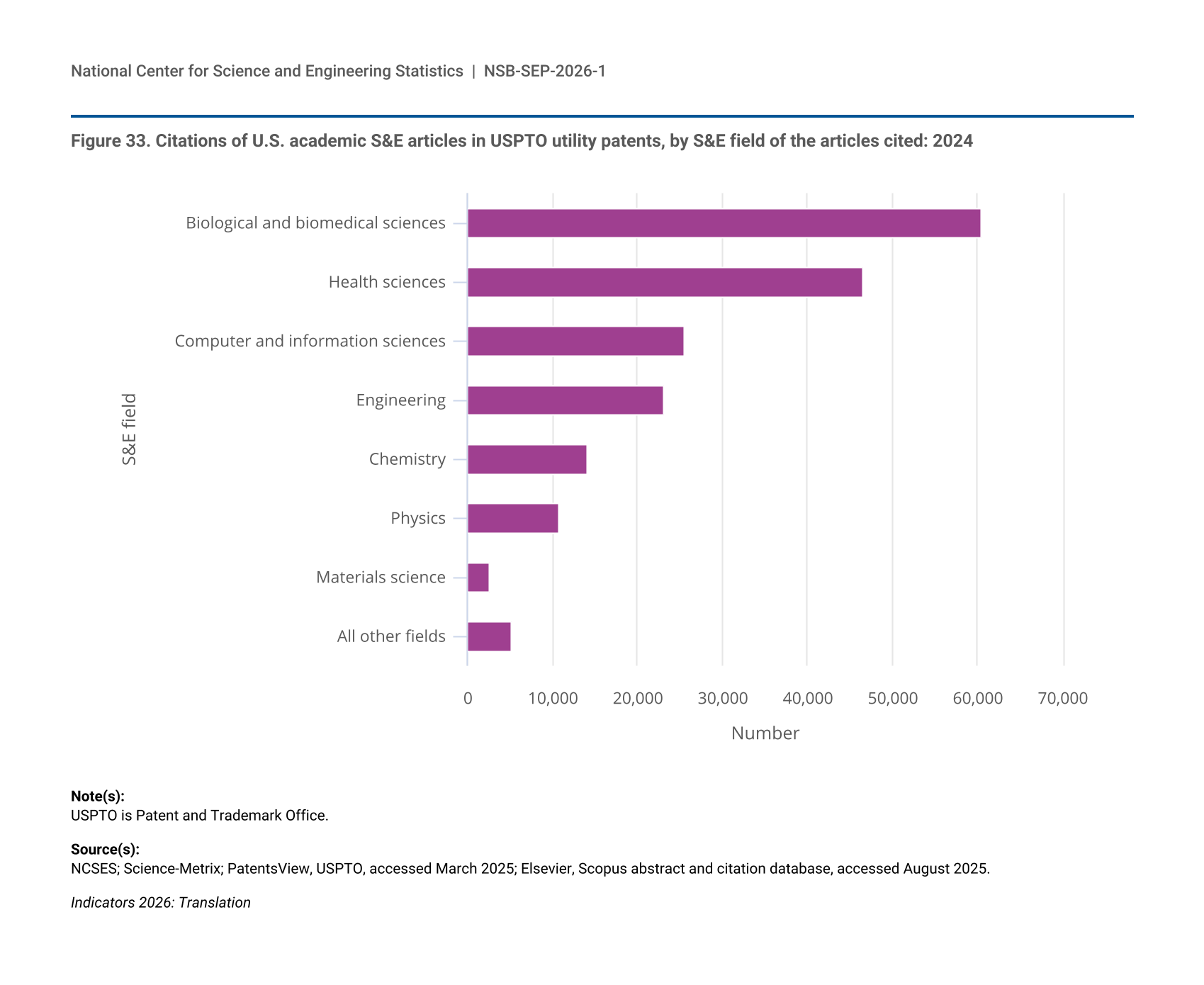
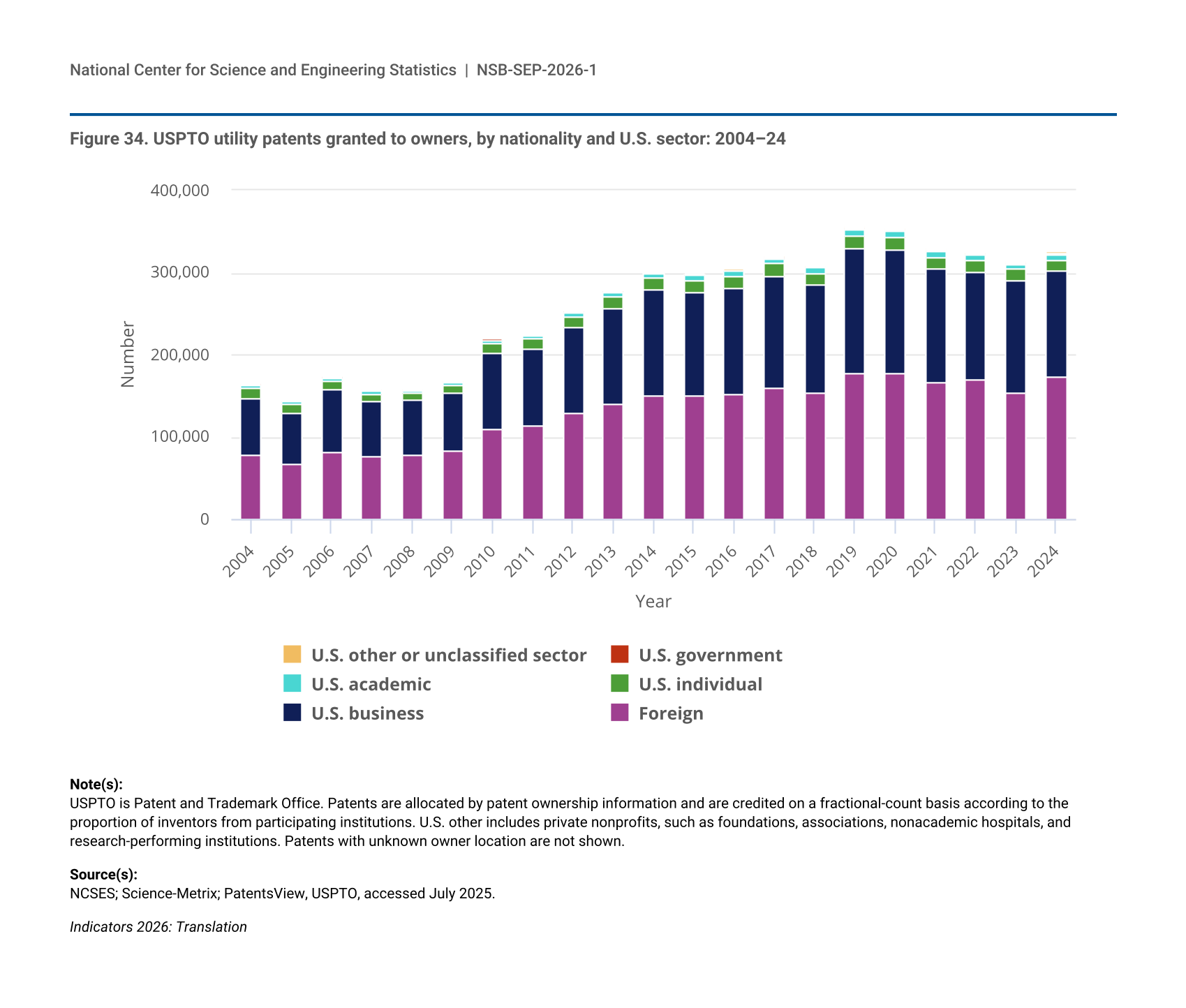
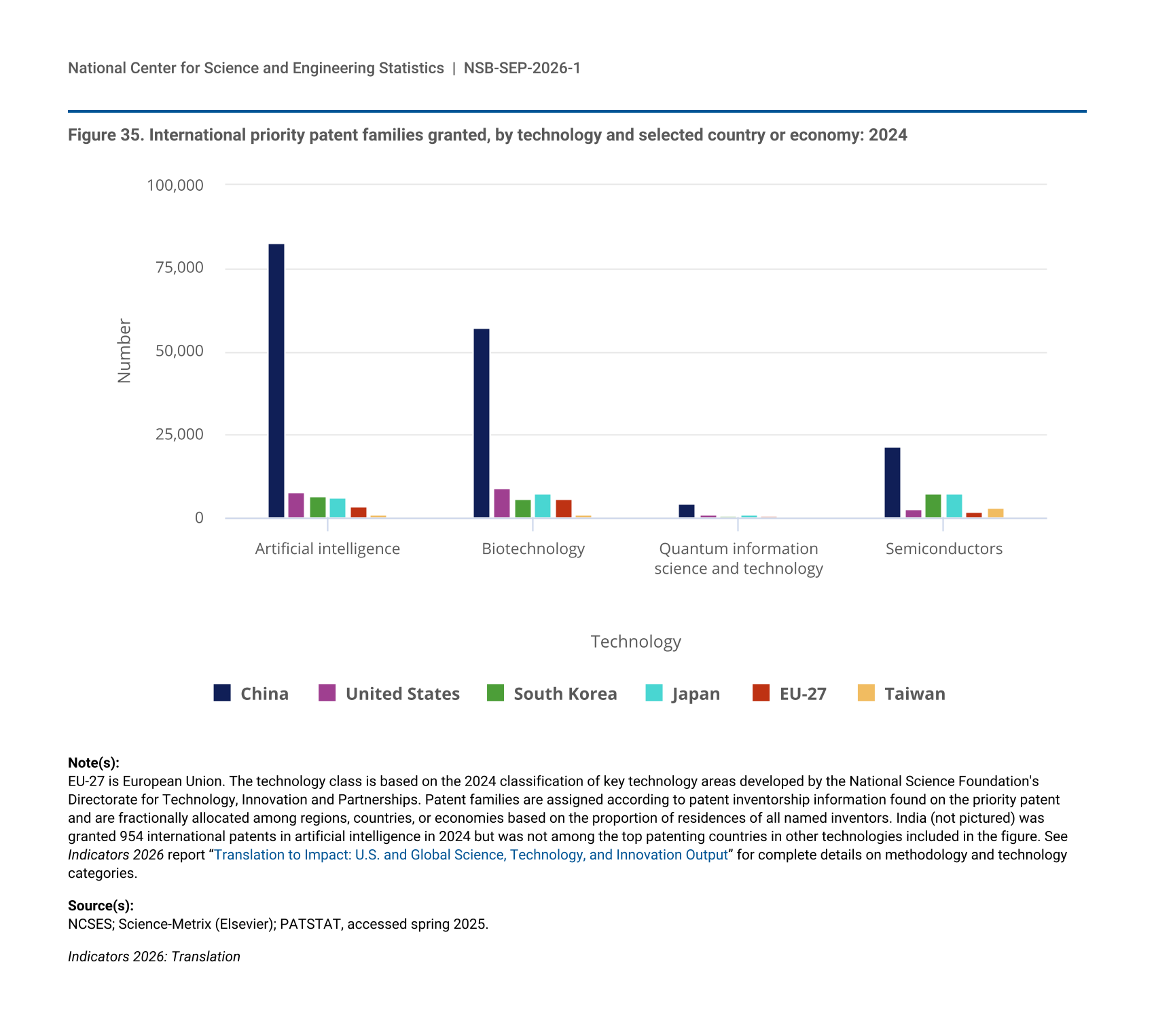
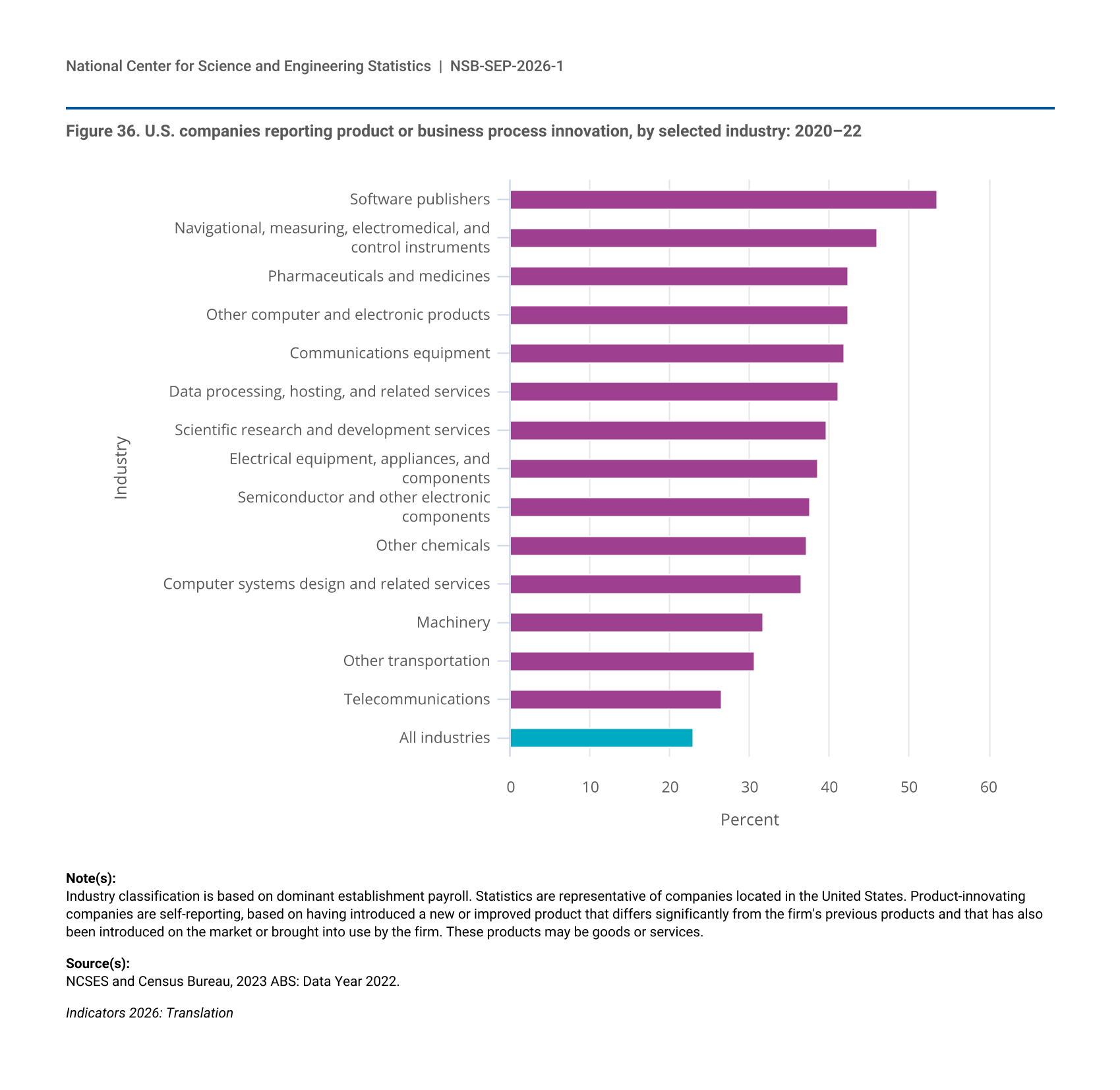
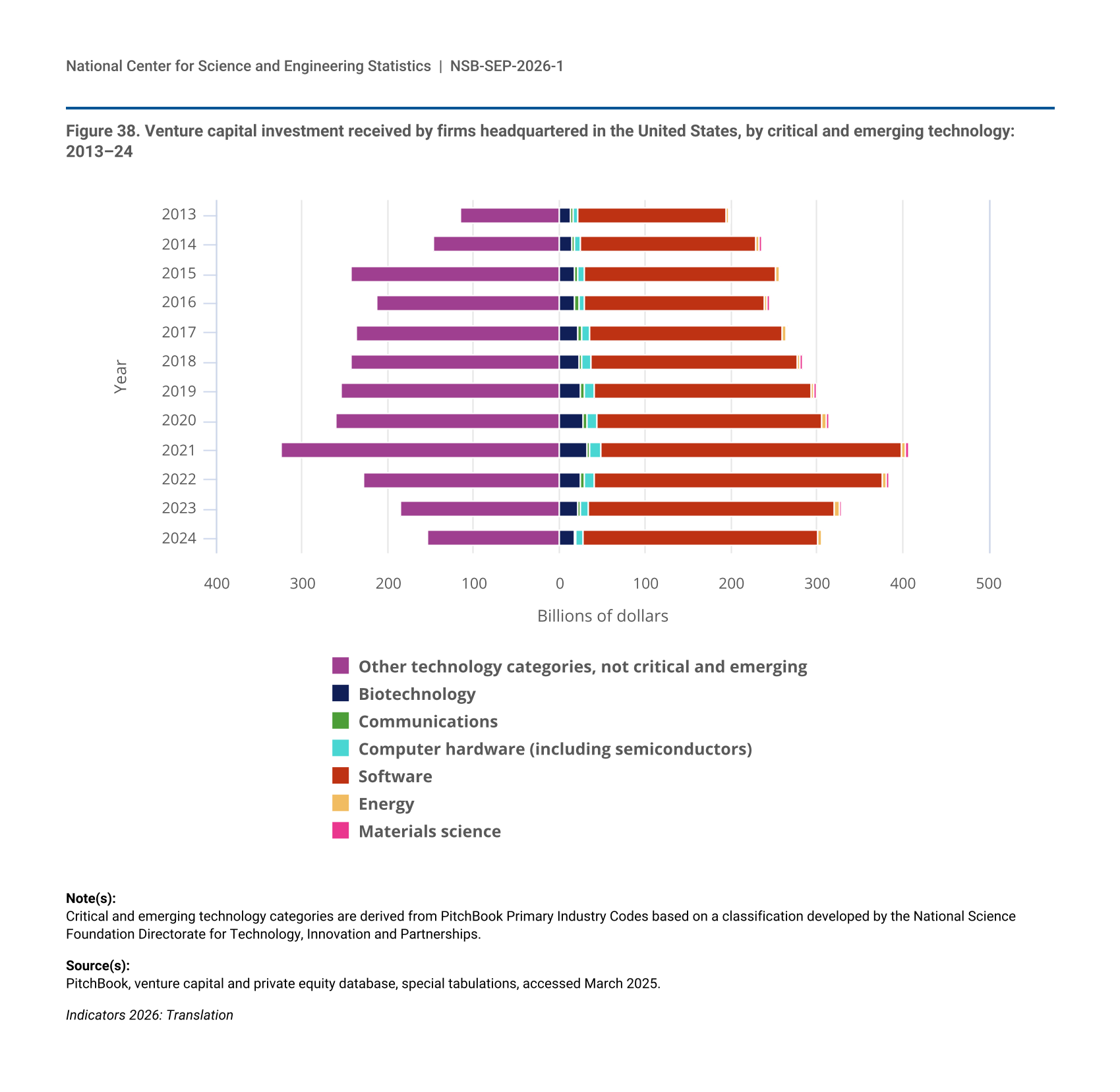
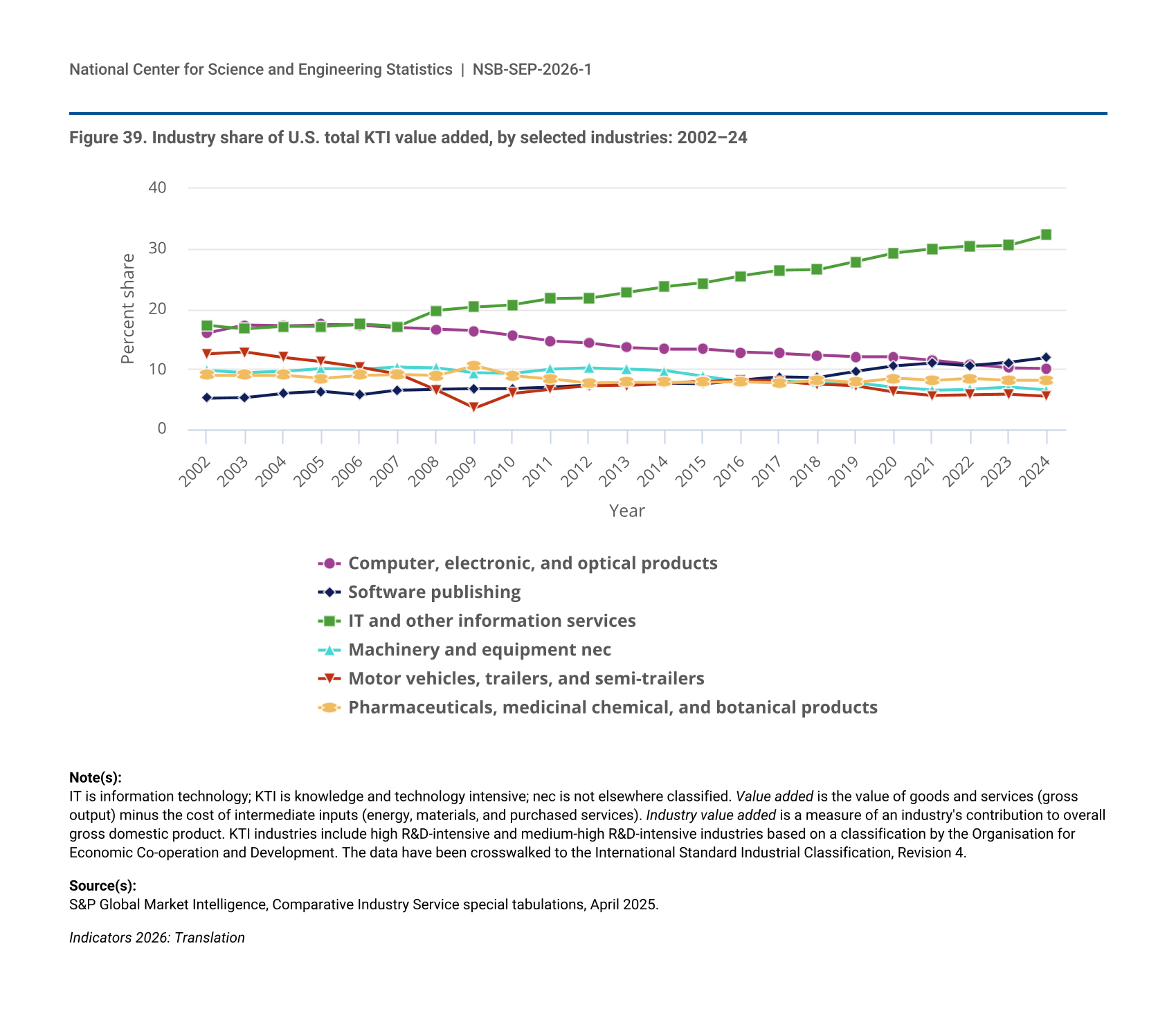
Over the past 25 years, the U.S. science and engineering enterprise has been characterized by three trends: the business sector's dominant role in funding and performing R&D, the concentration of innovation in information technologies and CET areas, and China's emergence as a competitor. In 2024, China was estimated to have surpassed the United States for the first time as the world's largest performer of R&D, according to the latest data from the OECD after adjustment for international comparability. The United States remains among the most R&D-intensive economies in the world, and S&E research articles by U.S. authors and patents held by U.S. inventors are among the most highly cited globally, which is a measure of scientific impact.
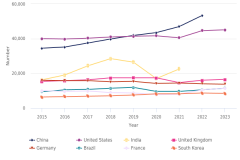
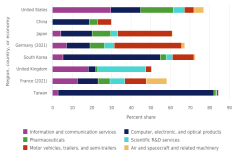
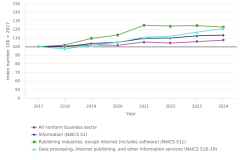
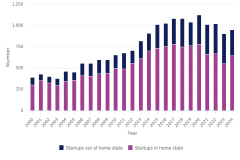
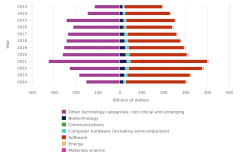
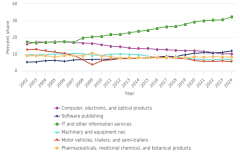
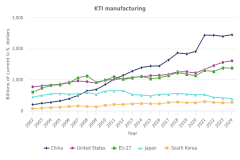
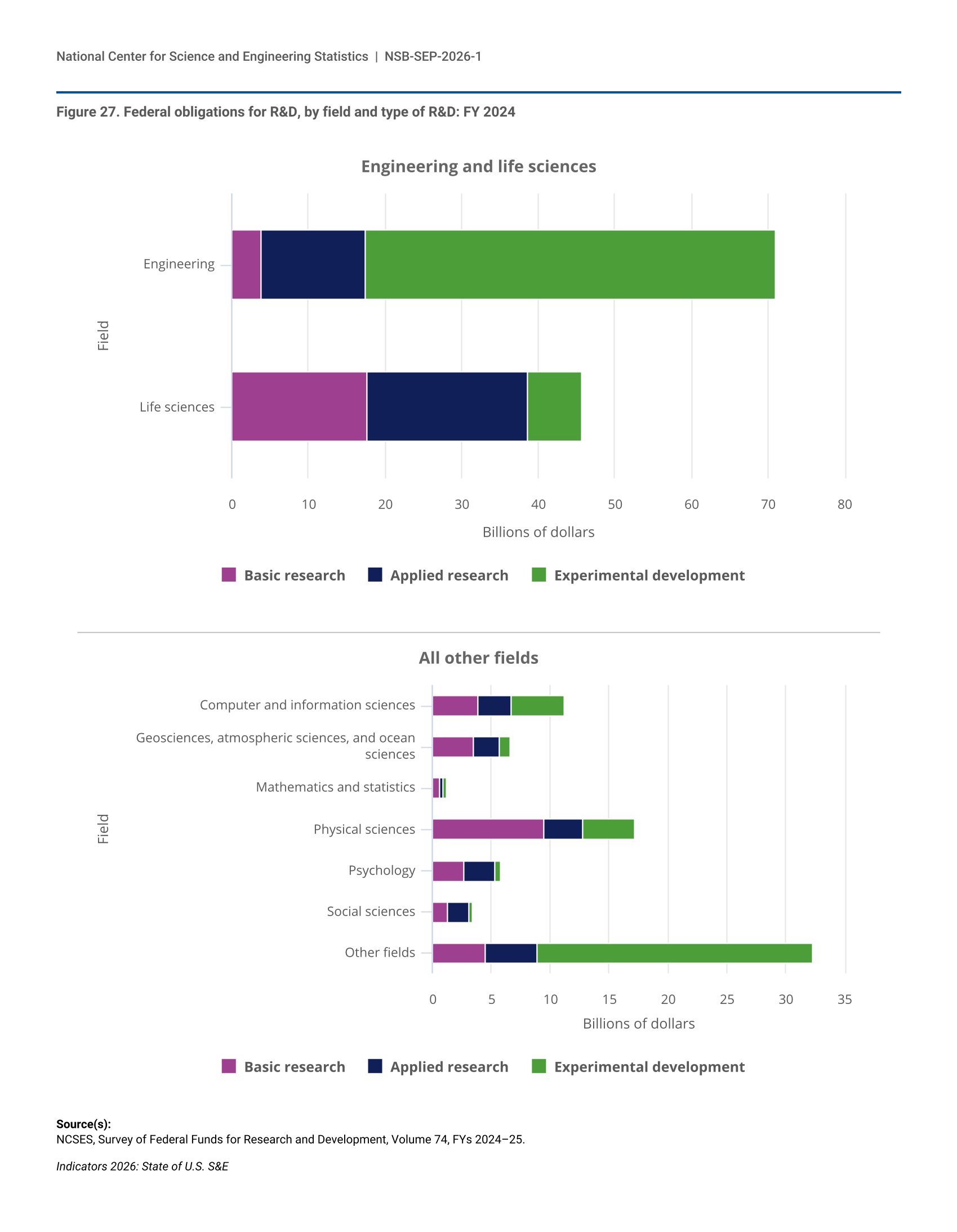
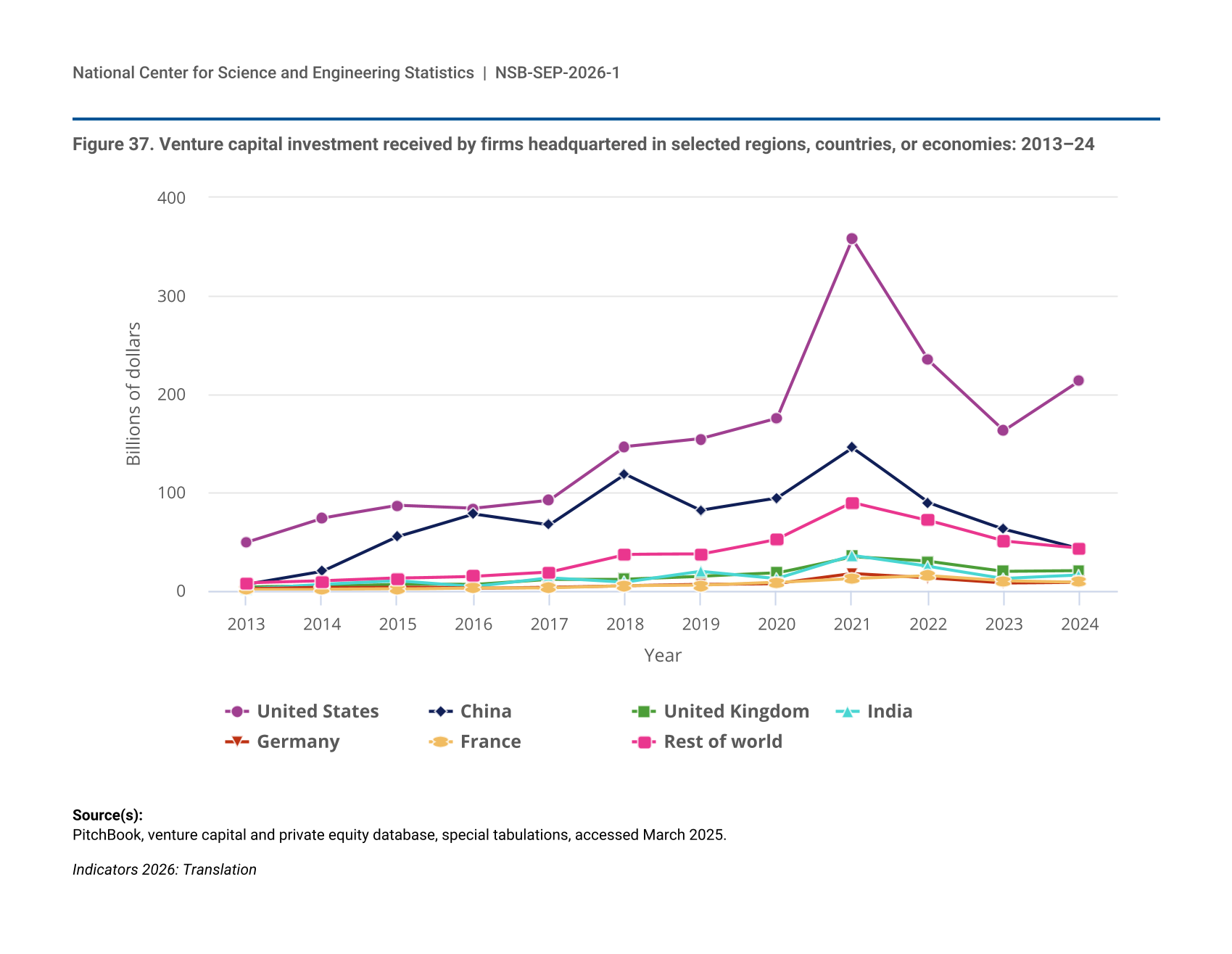
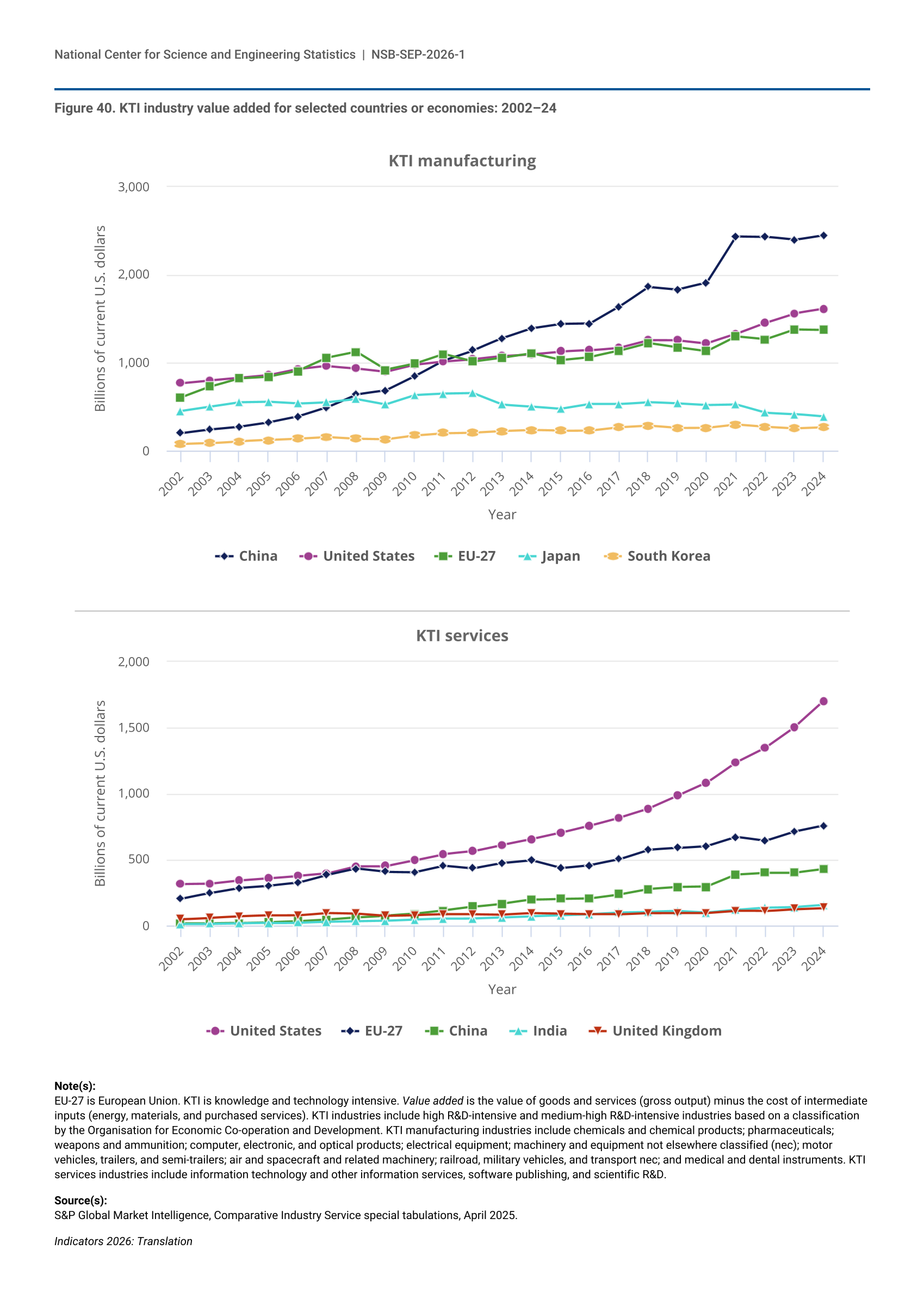
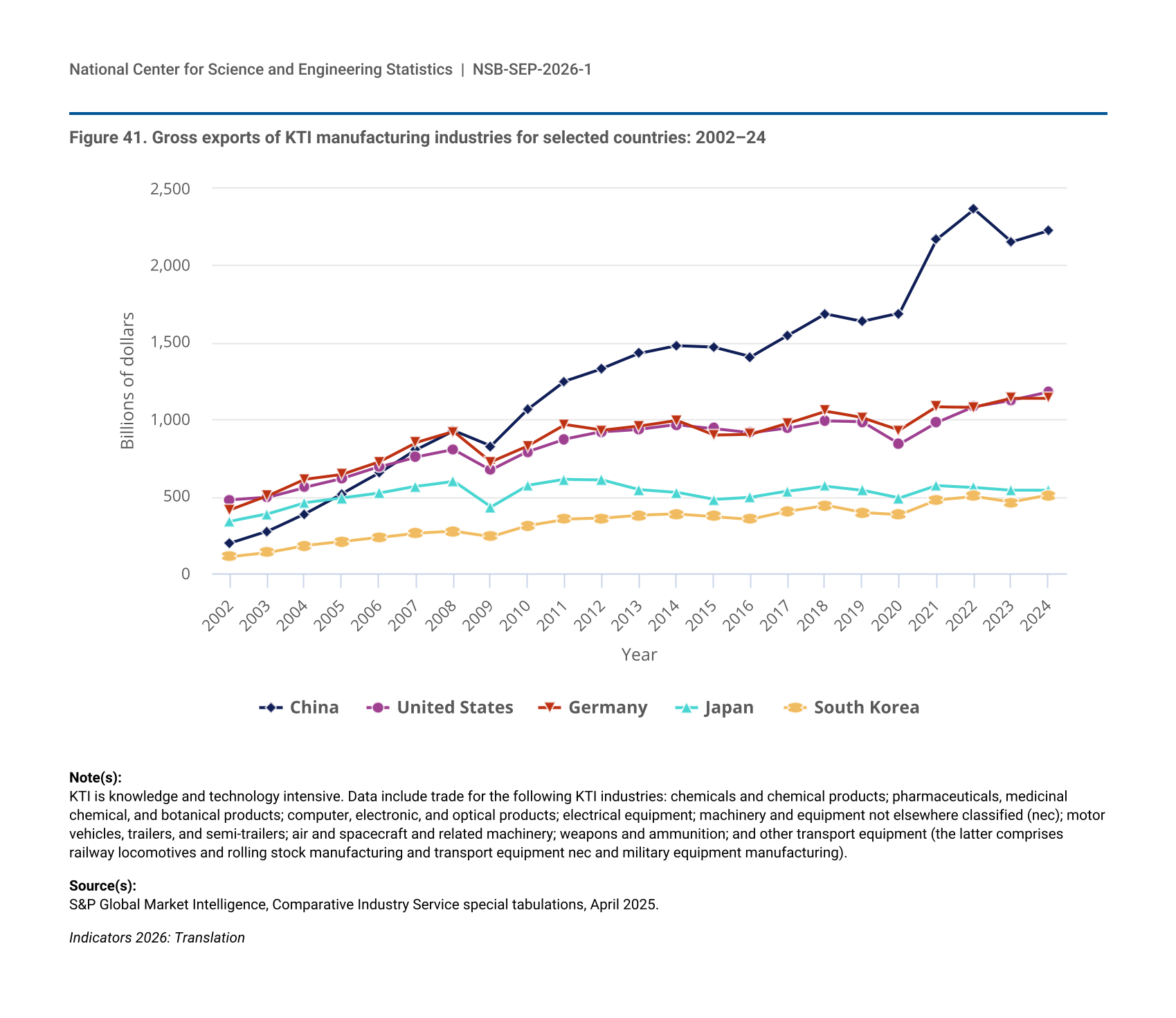
The U.S. S&E enterprise is distinguished by private-sector funding and performance, particularly in experimental development. The United States enjoys comparative advantages globally in highly cited publications and patents, venture capital–backed innovation, and KTI services, where U.S. firms dominate global trade. U.S. inventors’ patents in CET areas are among the most highly cited globally. The United States has the most robust venture capital investment globally. Although China leads KTI manufacturing trade overall, the United States retained the largest share of value-added production in 2024 in four industries: aerospace machinery, medical instruments, pharmaceuticals, and weapons.
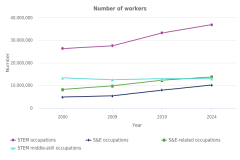
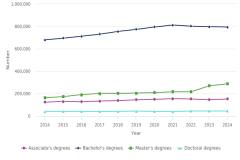
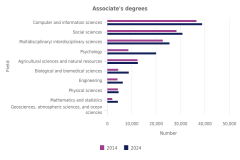
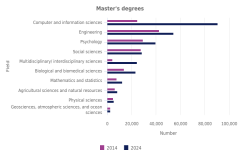
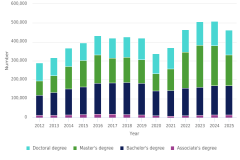
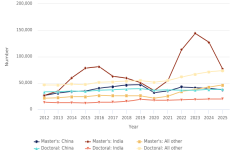
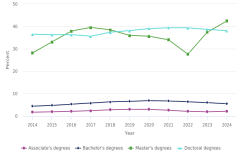
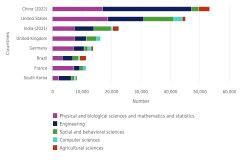
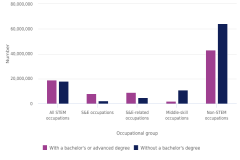
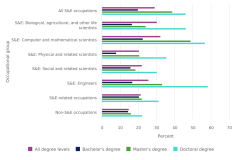
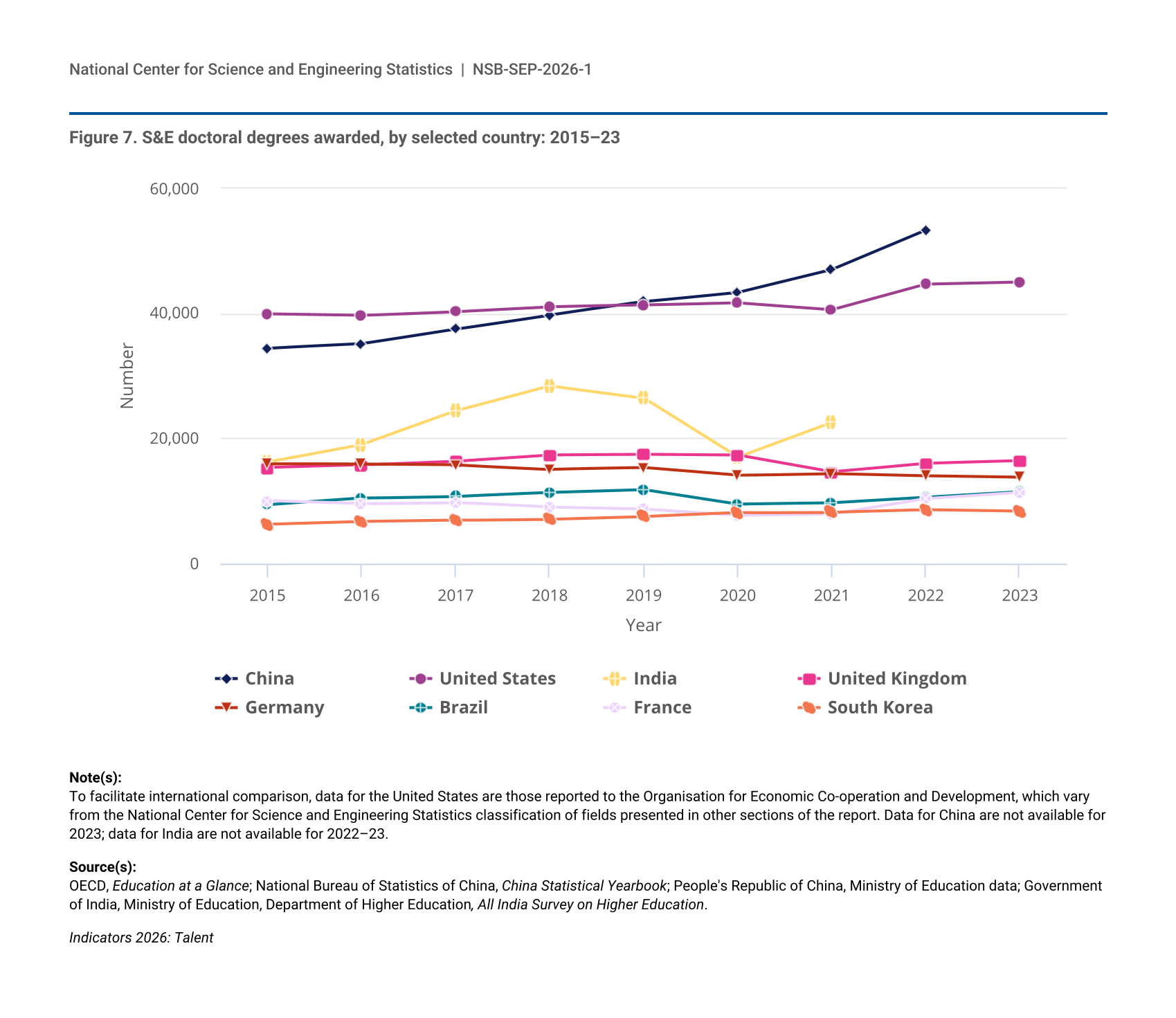
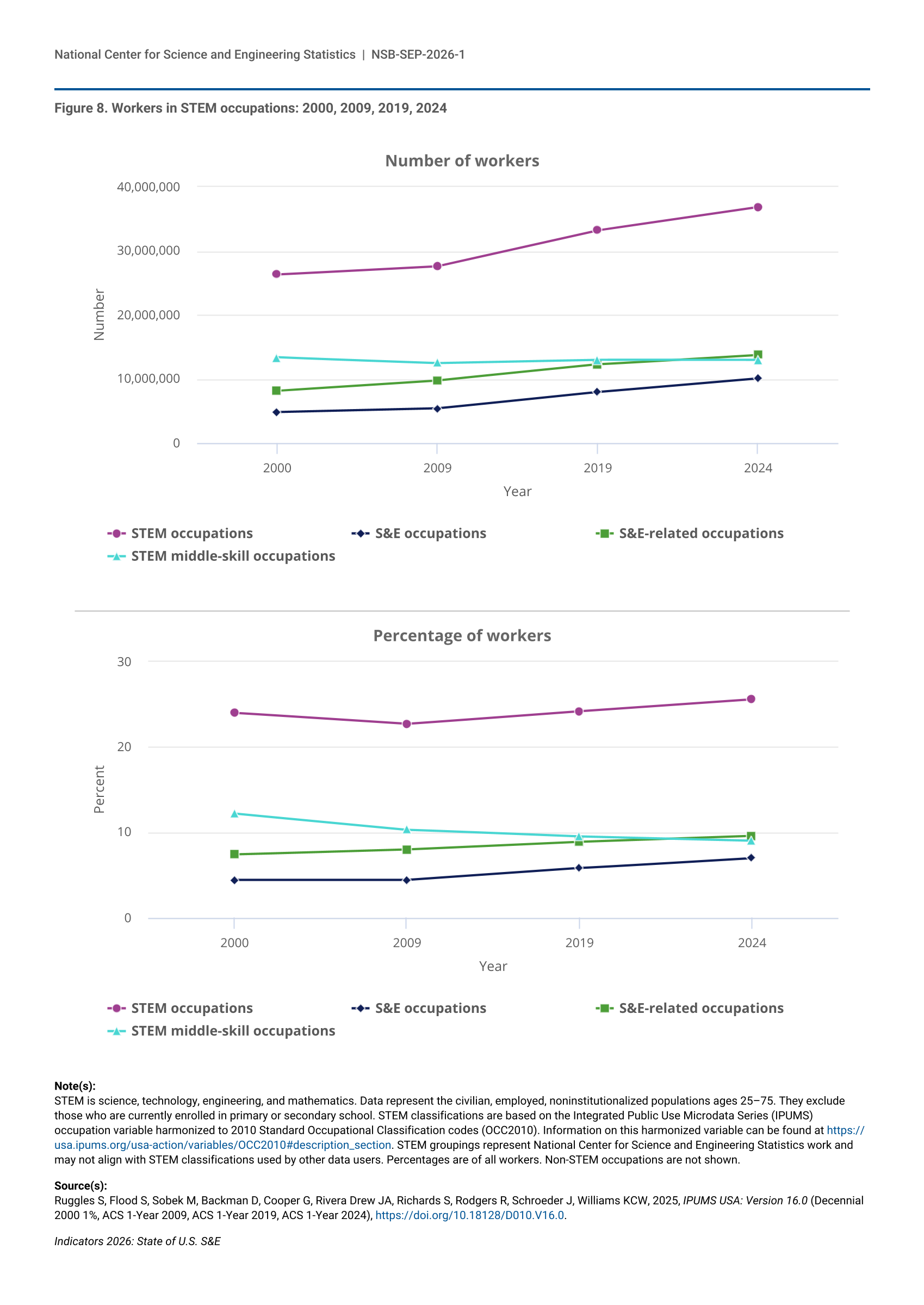
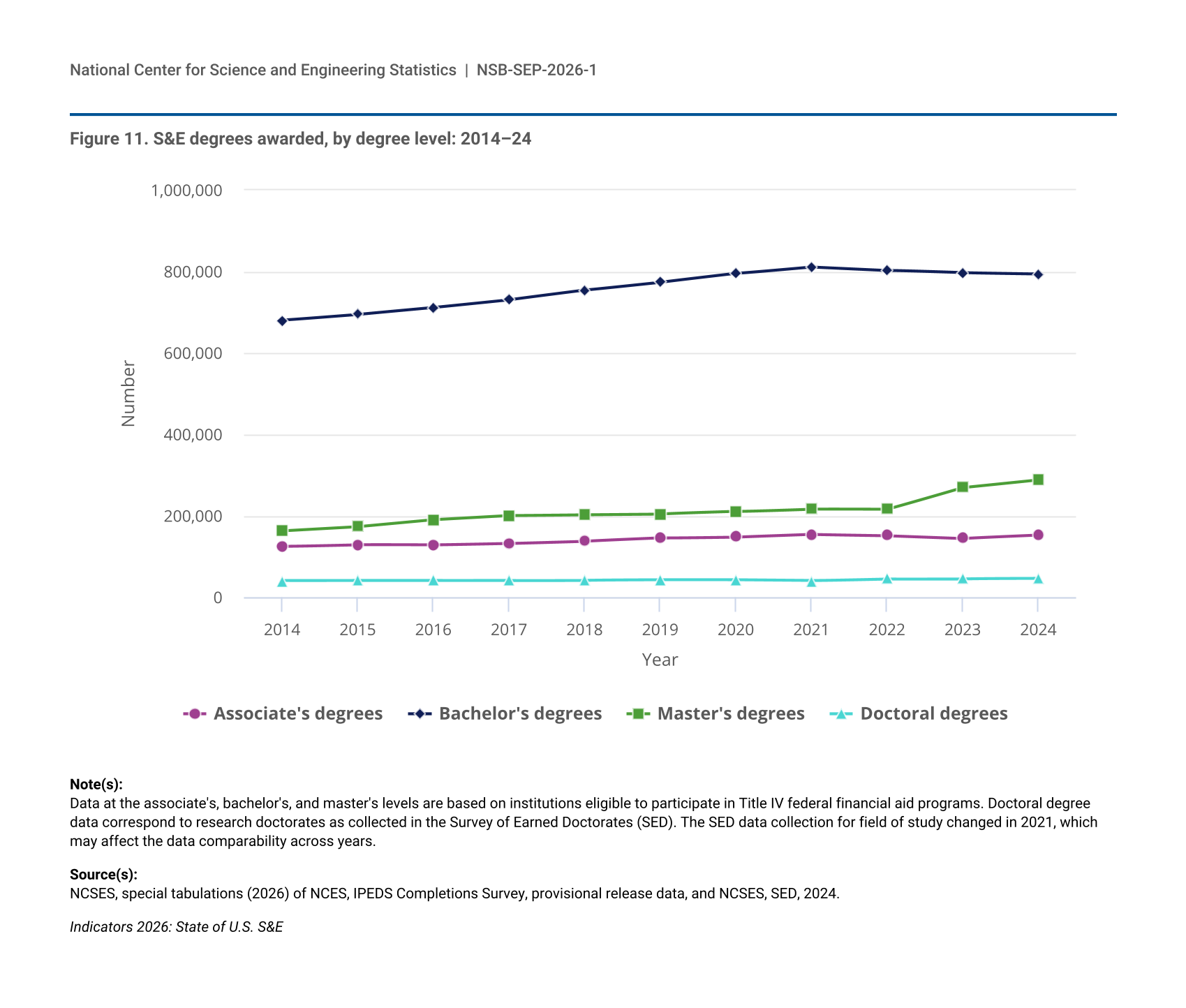
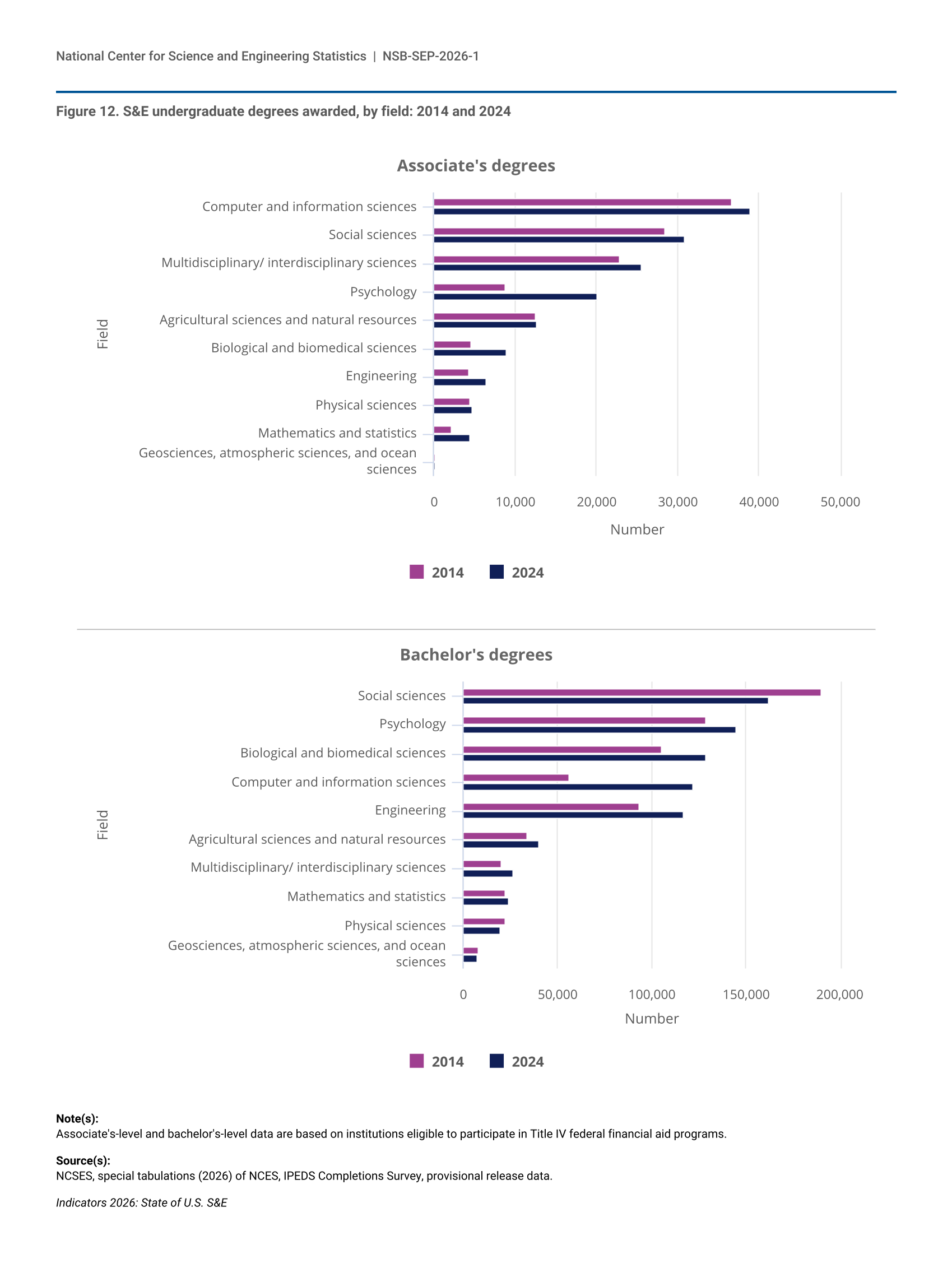
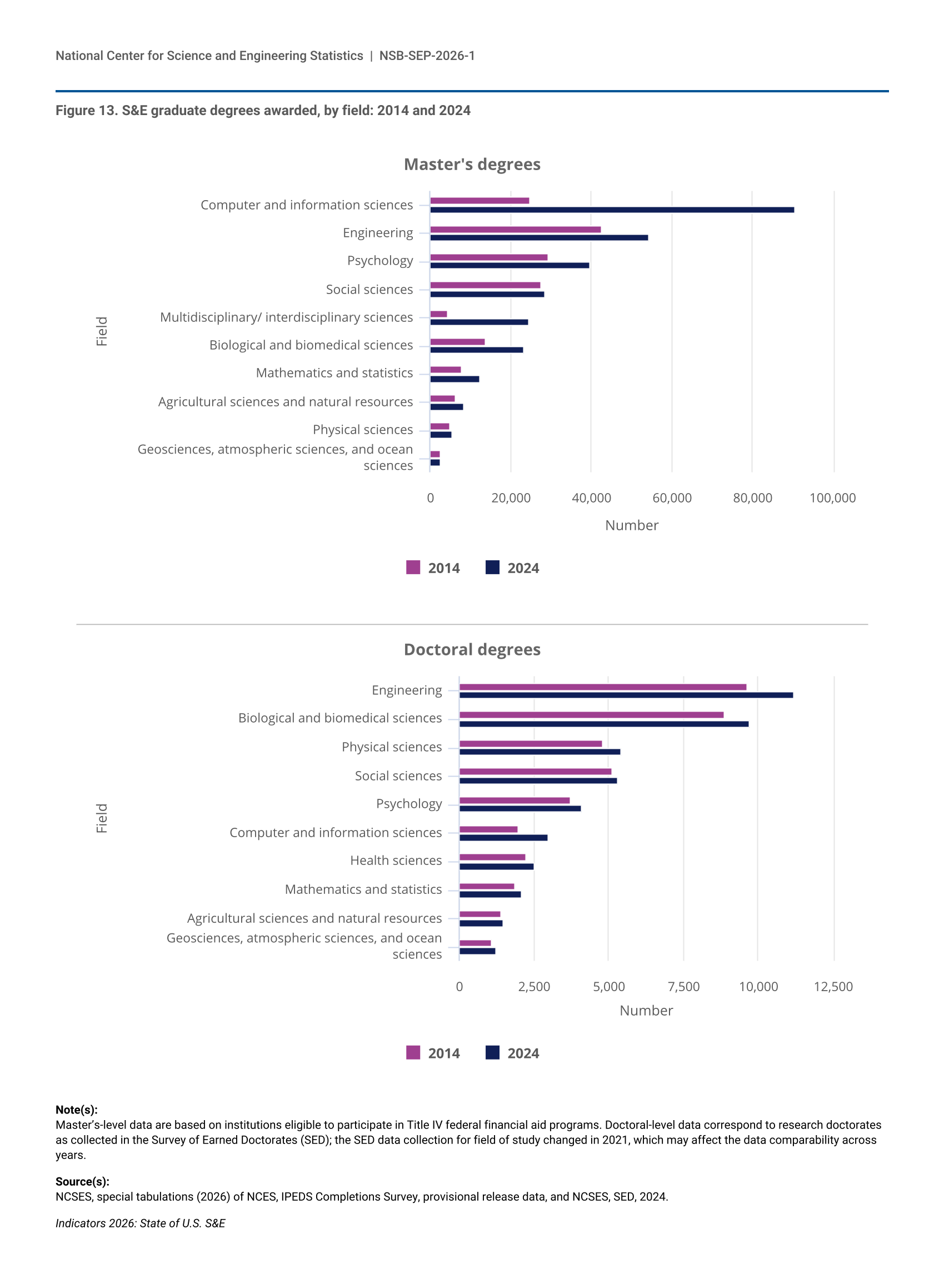
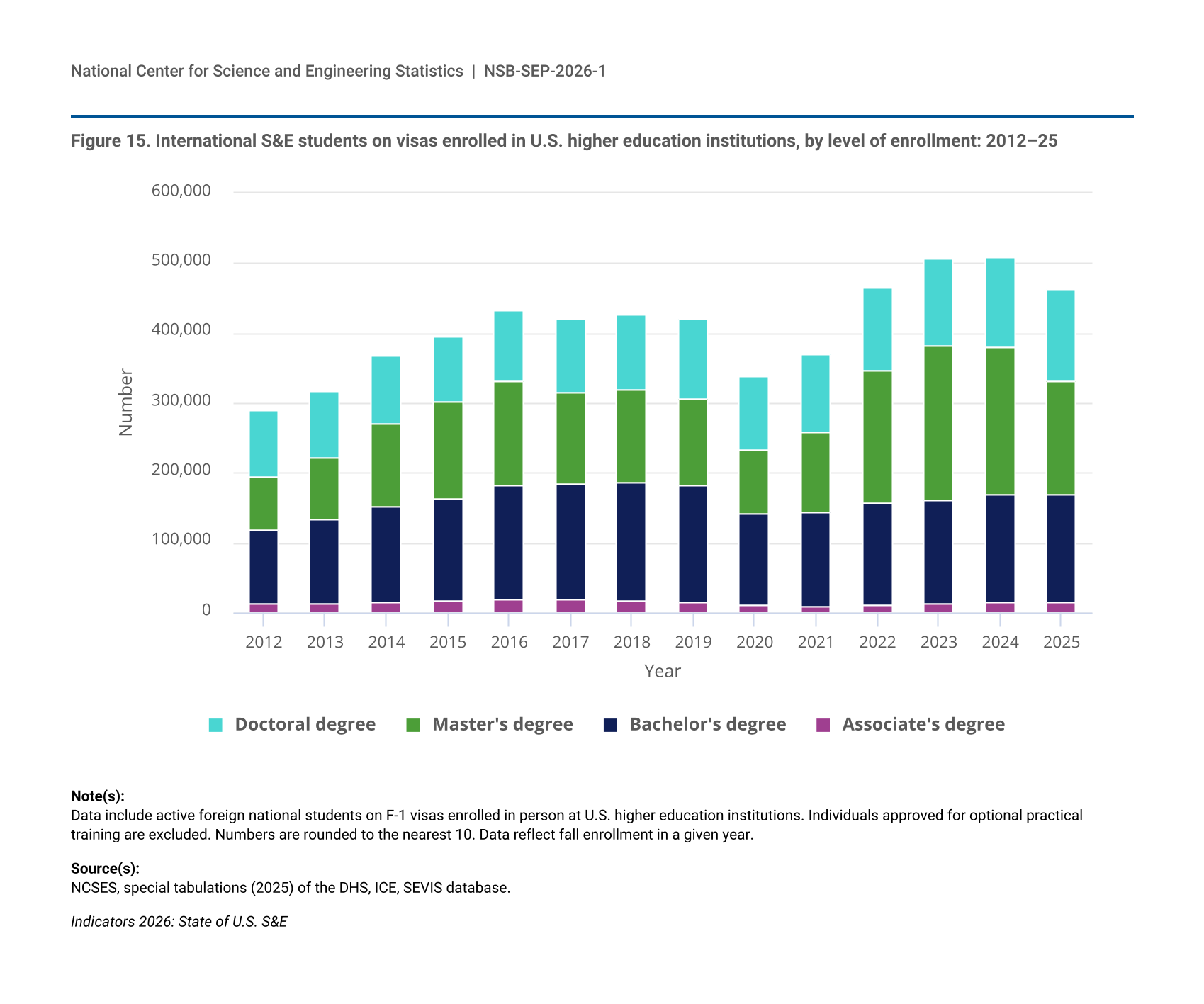
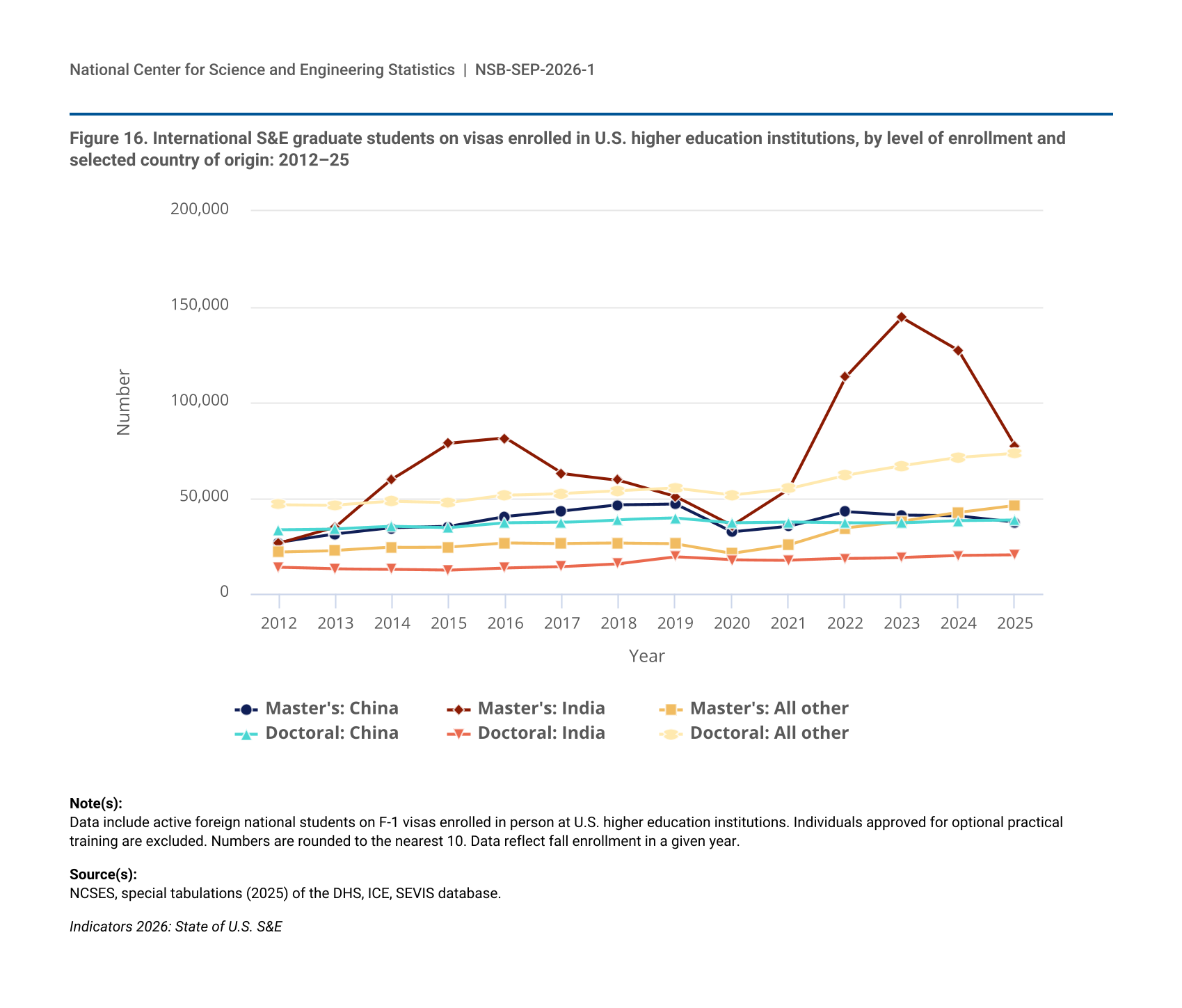
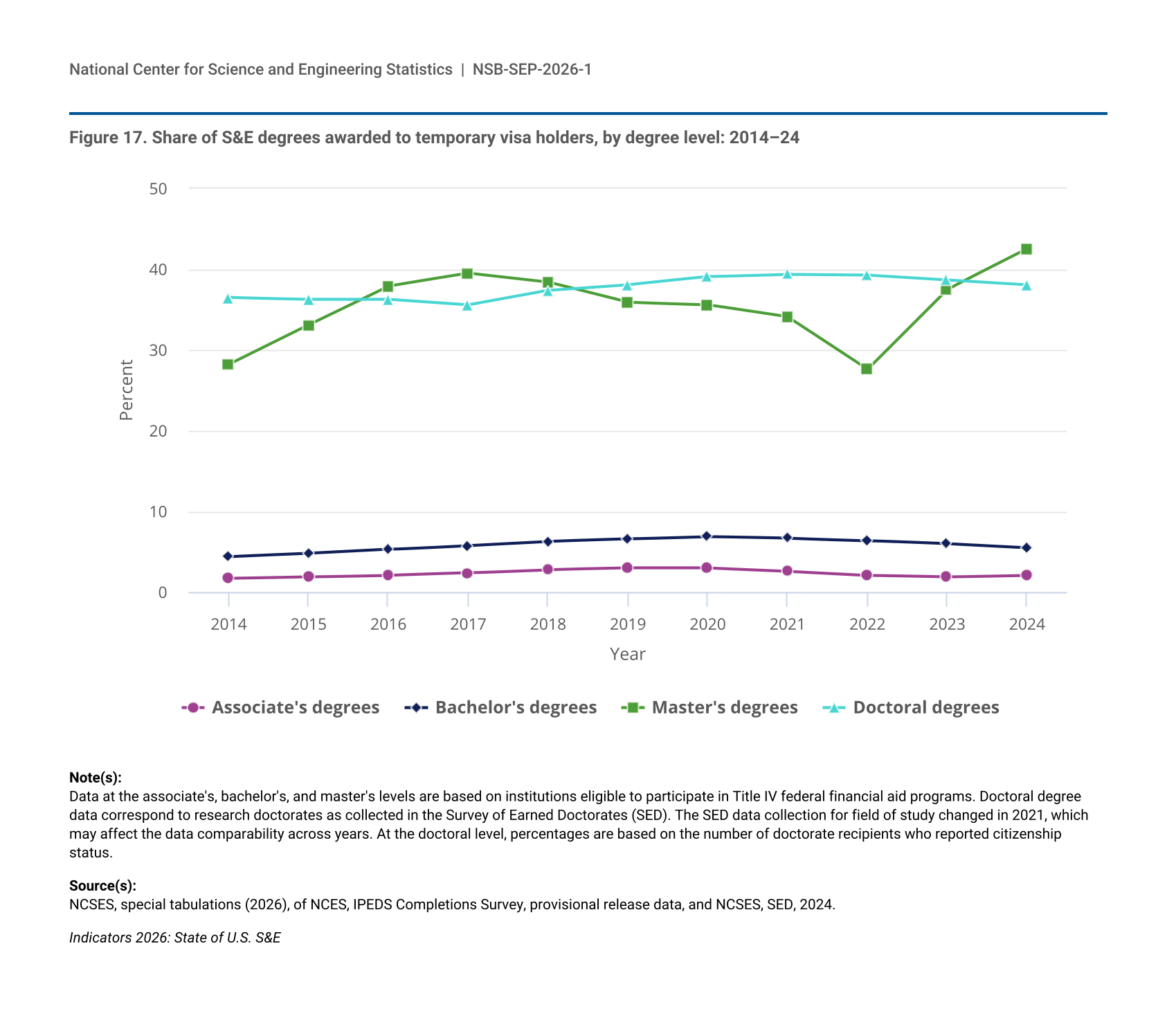
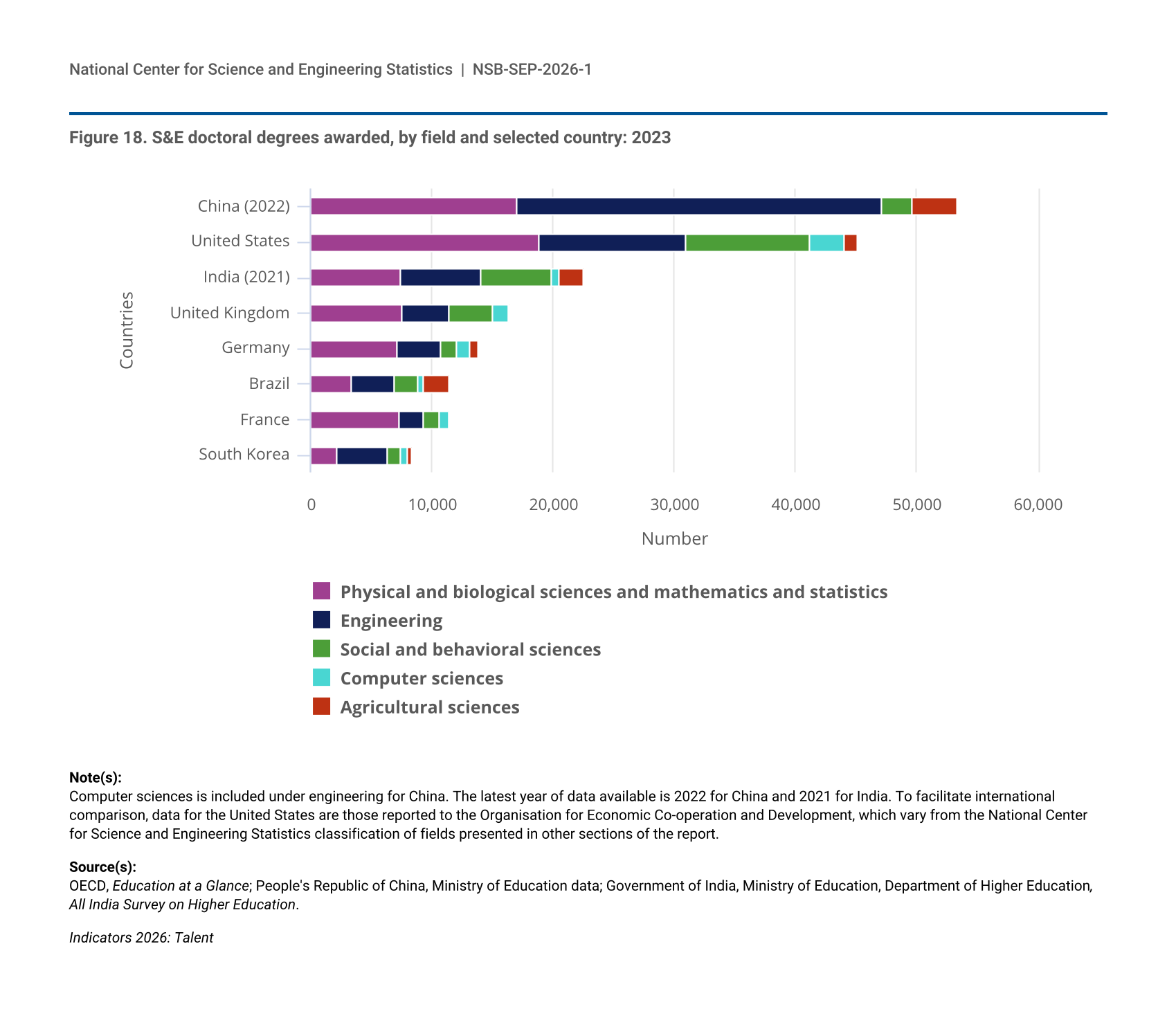
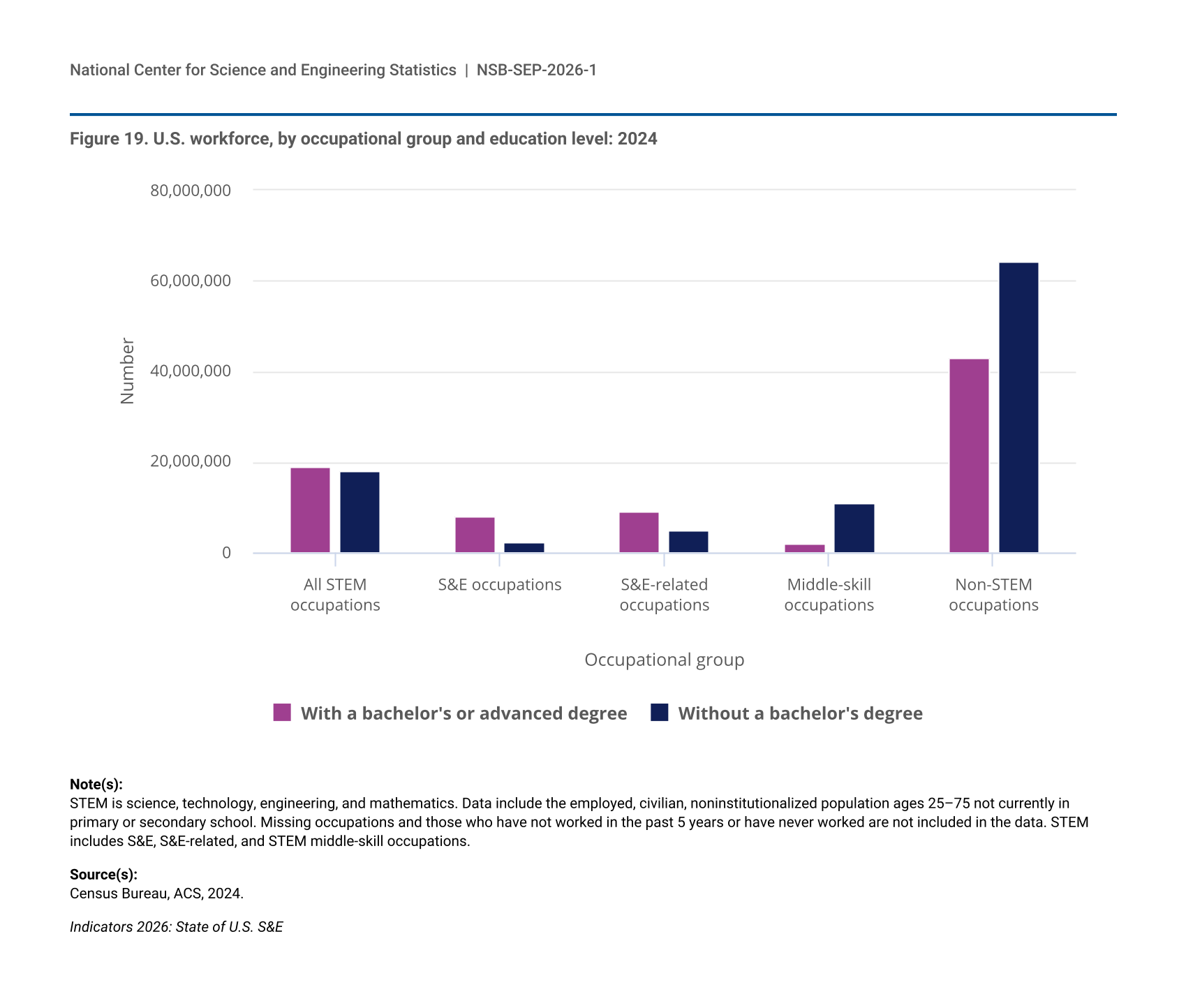
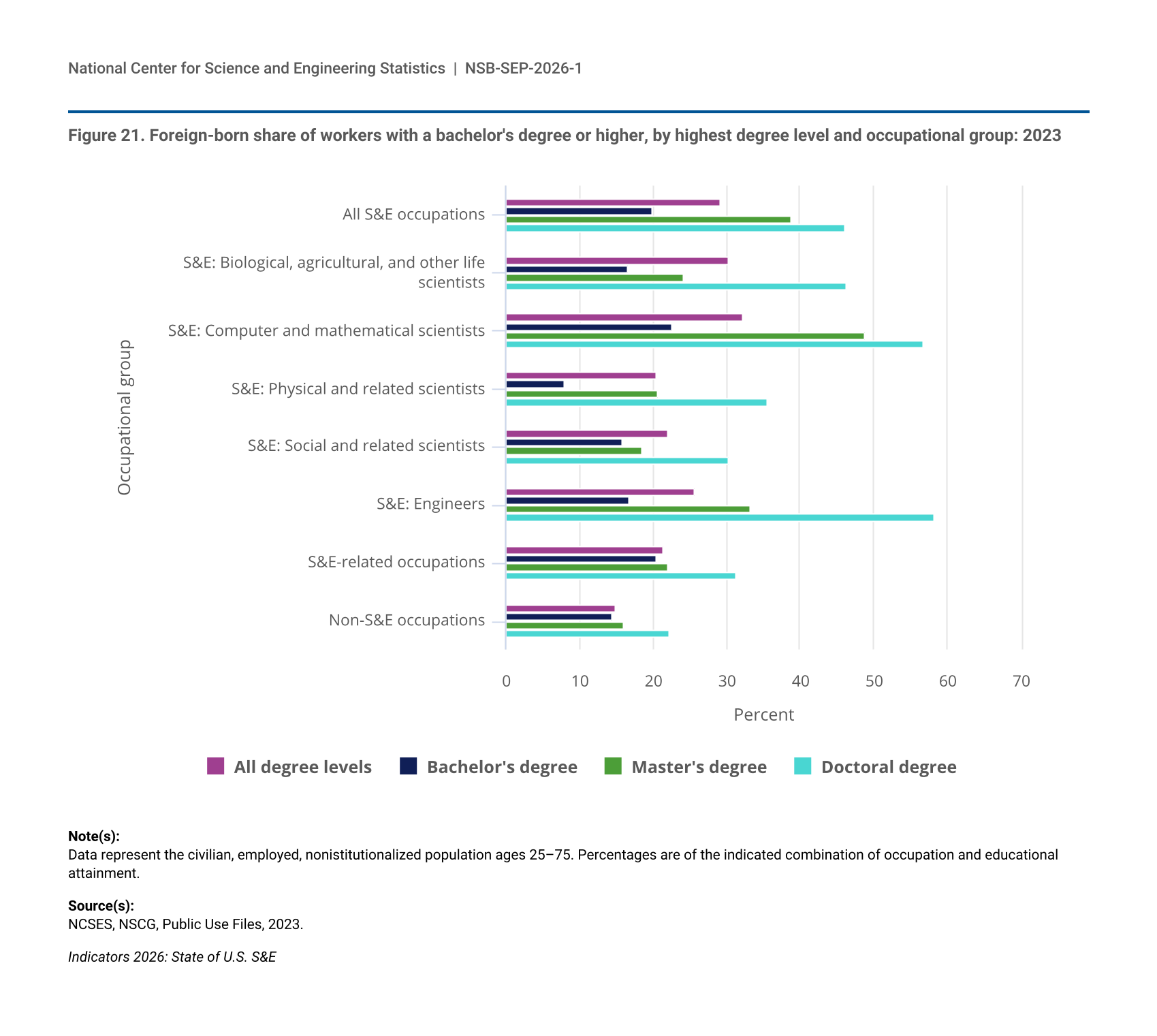
The STEM workforce grew faster than the non-STEM workforce between 2014 and 2024 and now accounts for roughly 26% of total domestic employment. STEM workers experienced lower unemployment and higher median earnings than workers in other occupations. U.S. institutions expanded S&E degree output at all levels over the past decade, with especially rapid growth in computer and information sciences, and awarded the second-highest number of S&E doctorates globally in 2022. Temporary visa holders earned more than half of U.S. S&E doctorates in 2024 in computer and information sciences, engineering, and mathematics and statistics, and longitudinal data confirm that most remain in the country after graduation and contribute to the U.S. STEM workforce.
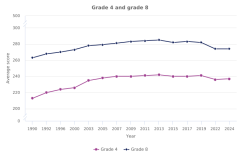
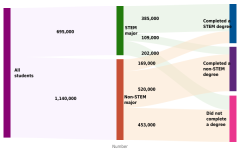
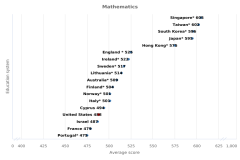
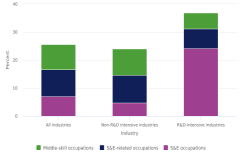
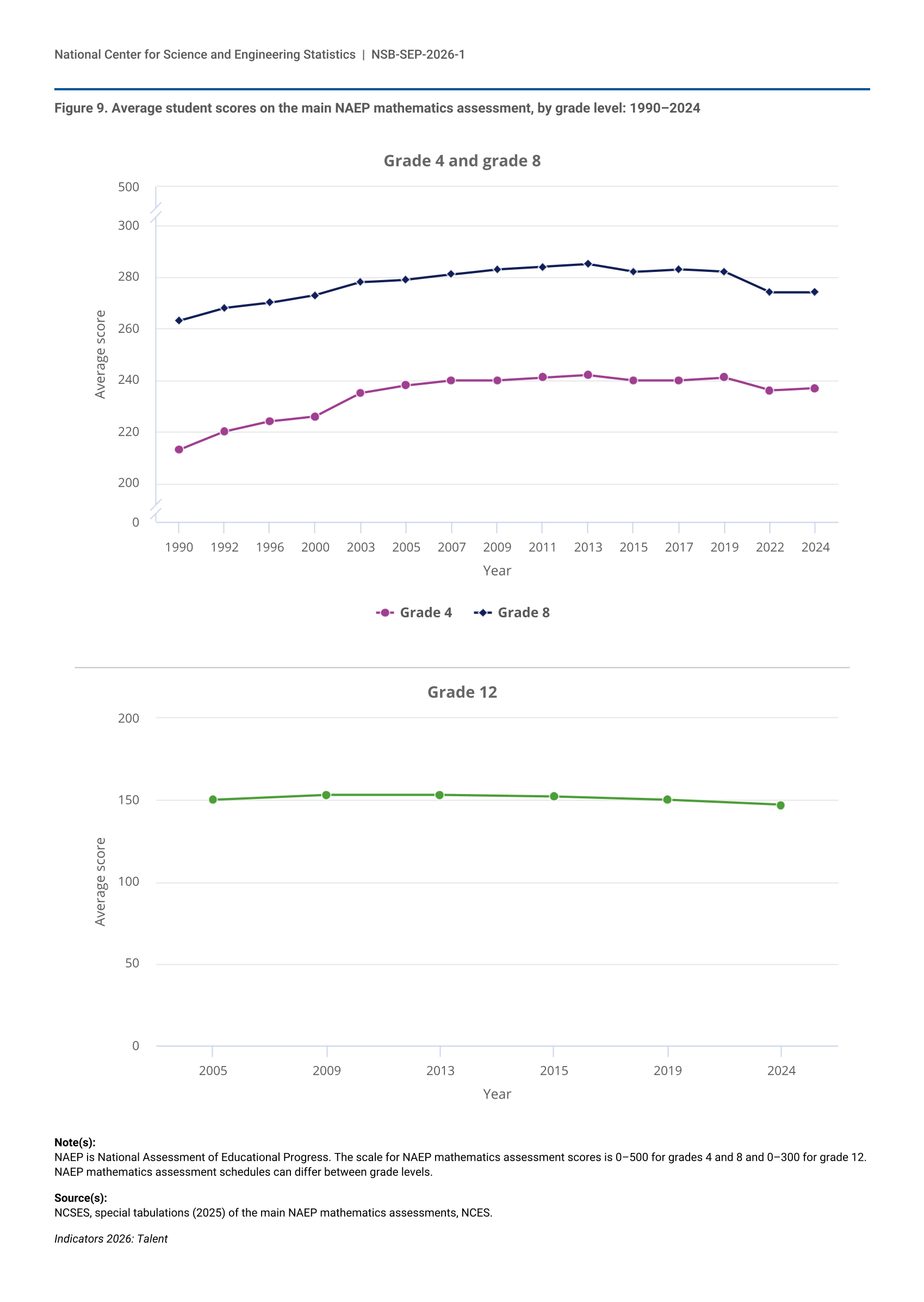
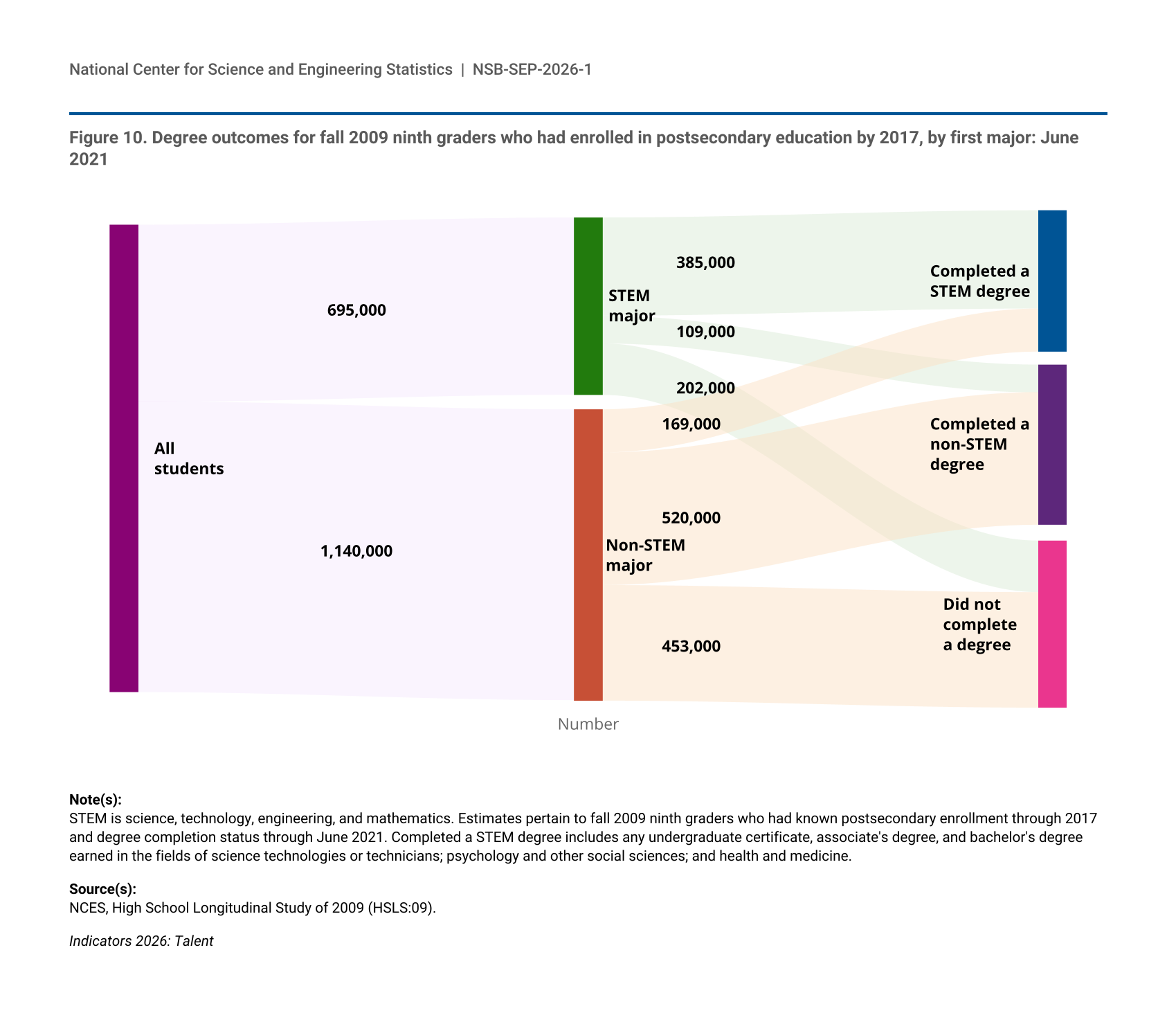
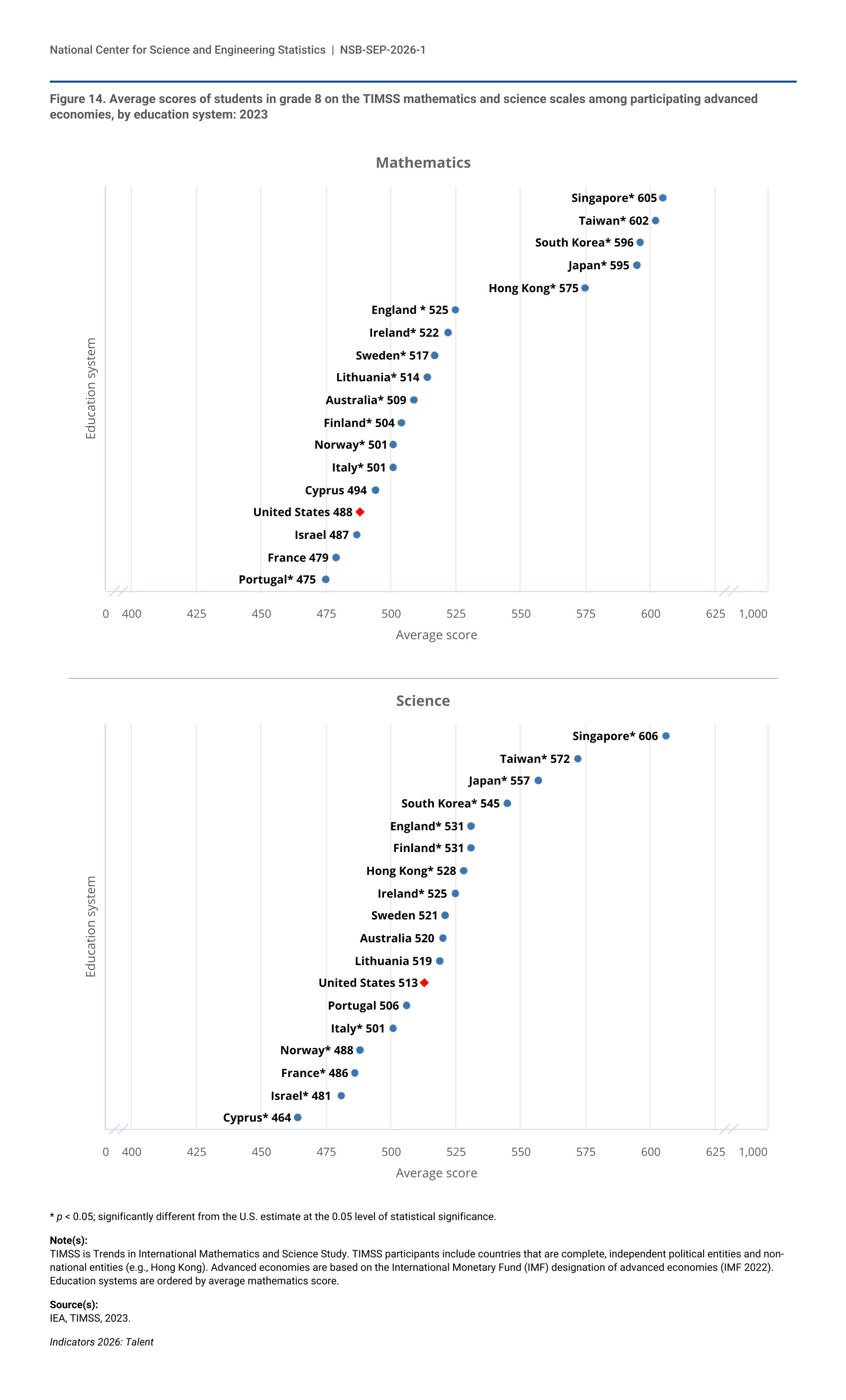
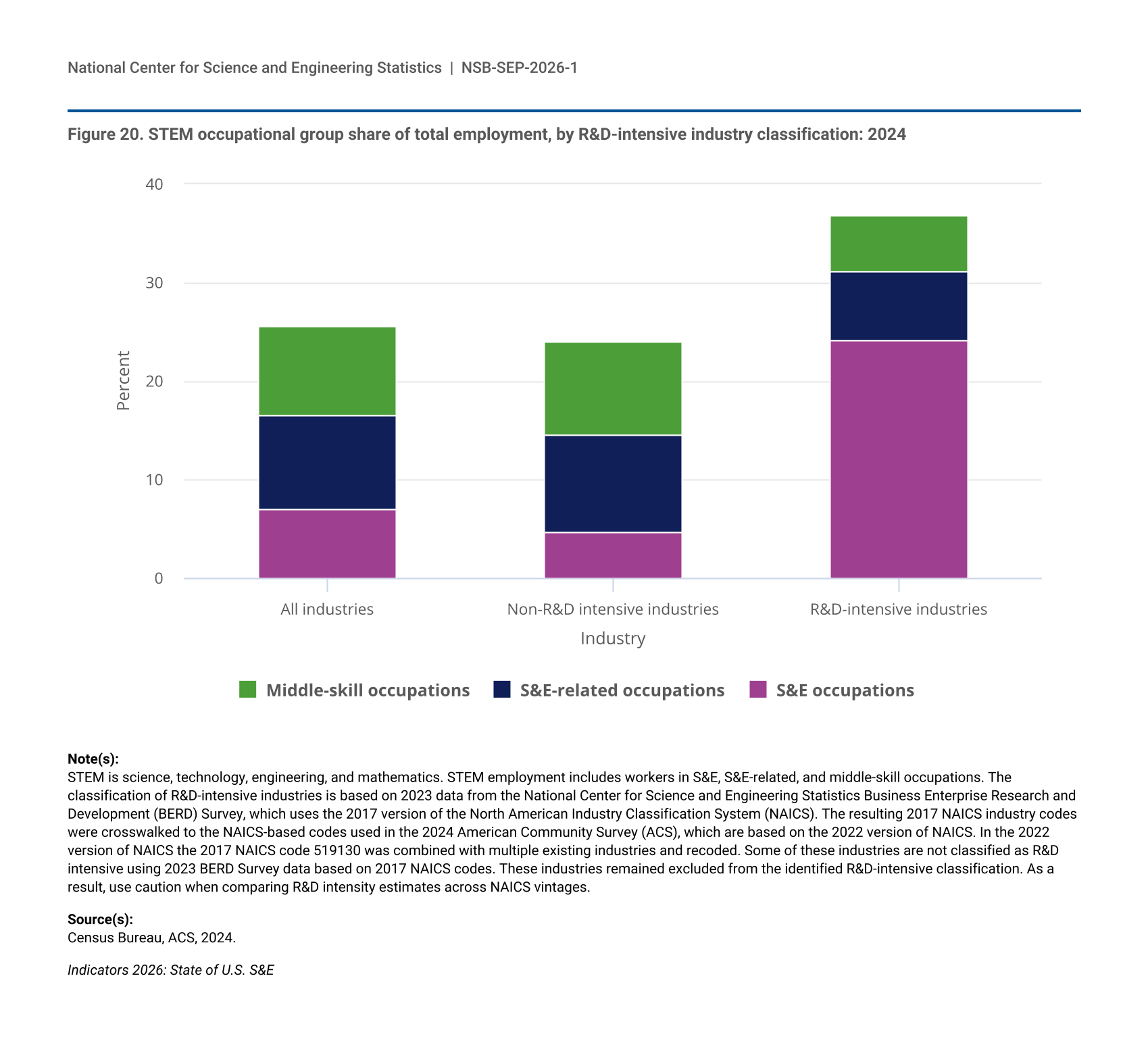
Average scores on national mathematics and science assessments for K–12 students have declined from their pre-pandemic levels, and U.S. eighth graders performed at or below the international average on science, mathematics, and computer and information literacy assessments in 2023. Because high school mathematics achievement is associated with STEM degree completion, these educational challenges may constrain the labor supply for R&D-intensive industries, including in CET areas, in which STEM workers are highly represented.