An official website of the United States government



Introduction
Talent is the bedrock of the nation’s science and engineering (S&E) enterprise and a key part of U.S. competitiveness. The science, technology, engineering, and mathematics (STEM) workforce is integral to the United States’ ability to meet persistent and emerging global challenges, including national security, health, economic development, and future research challenges. A globally competitive STEM education system equips Americans with the skills and knowledge needed to participate in the STEM workforce. Indicators of the performance of the domestic S&E enterprise—from STEM education and training to employment and attrition—highlight challenges.
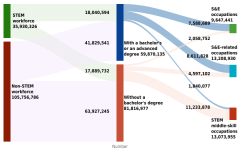
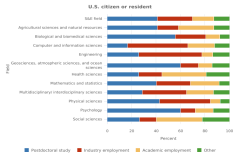
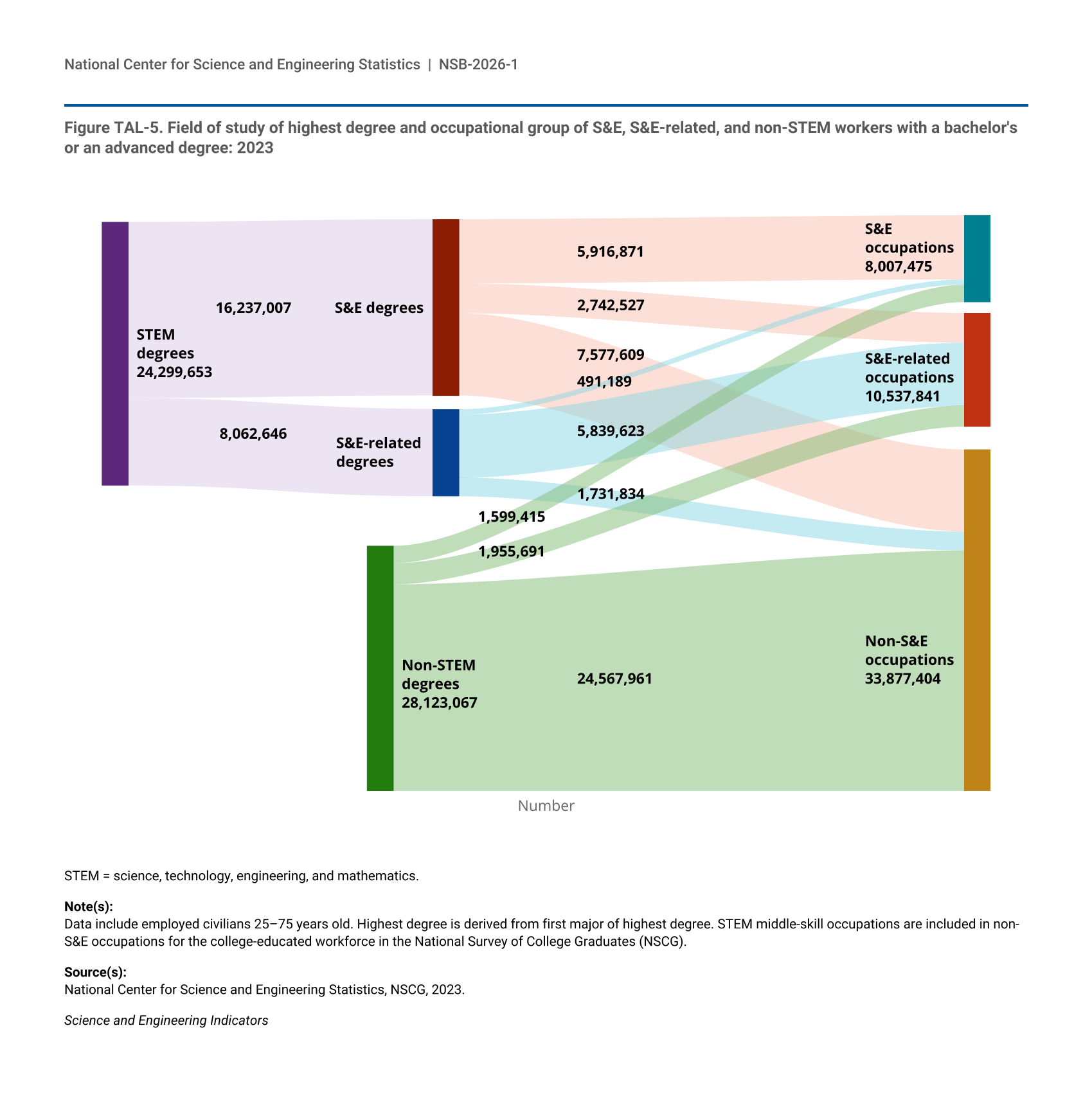
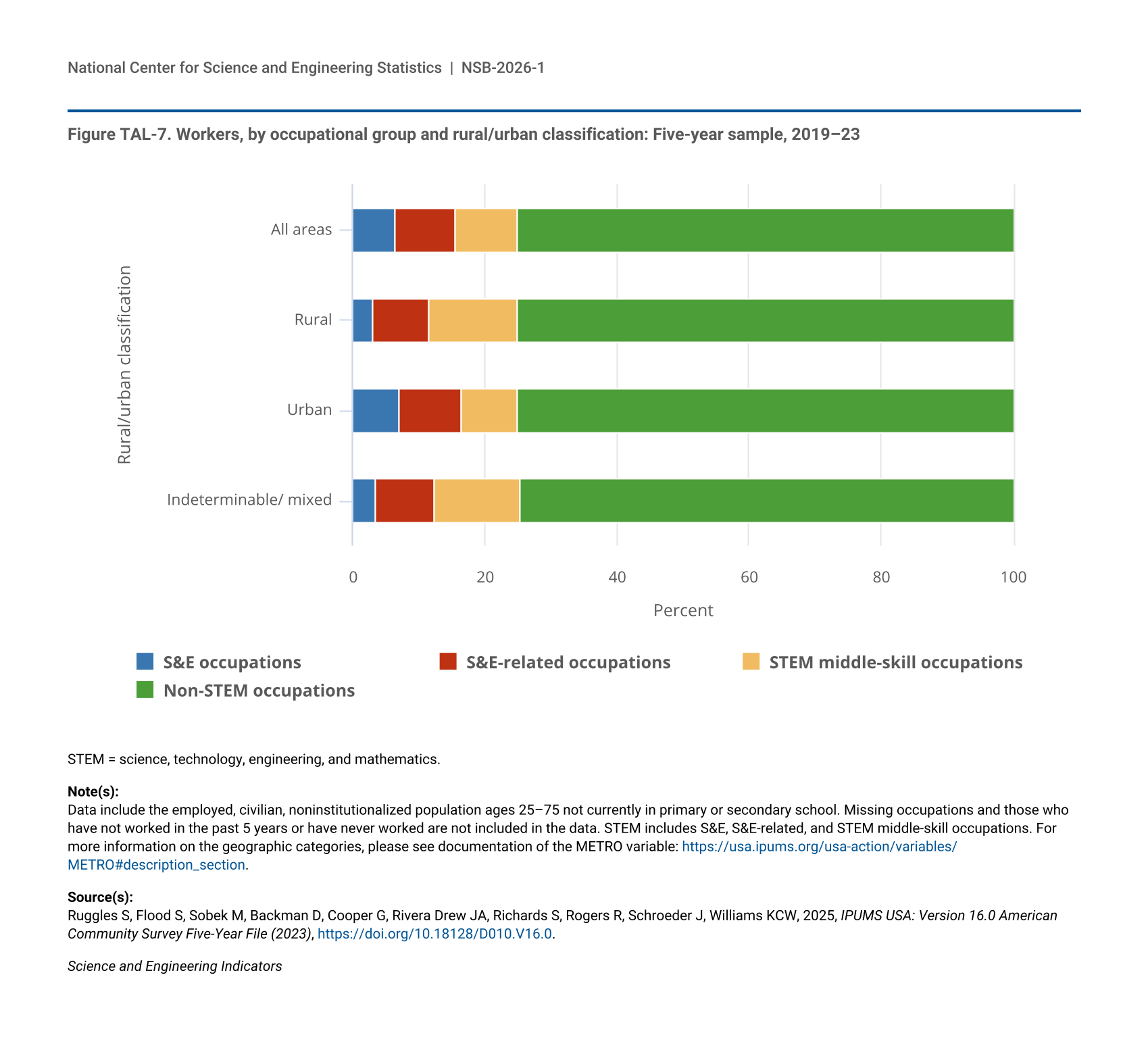
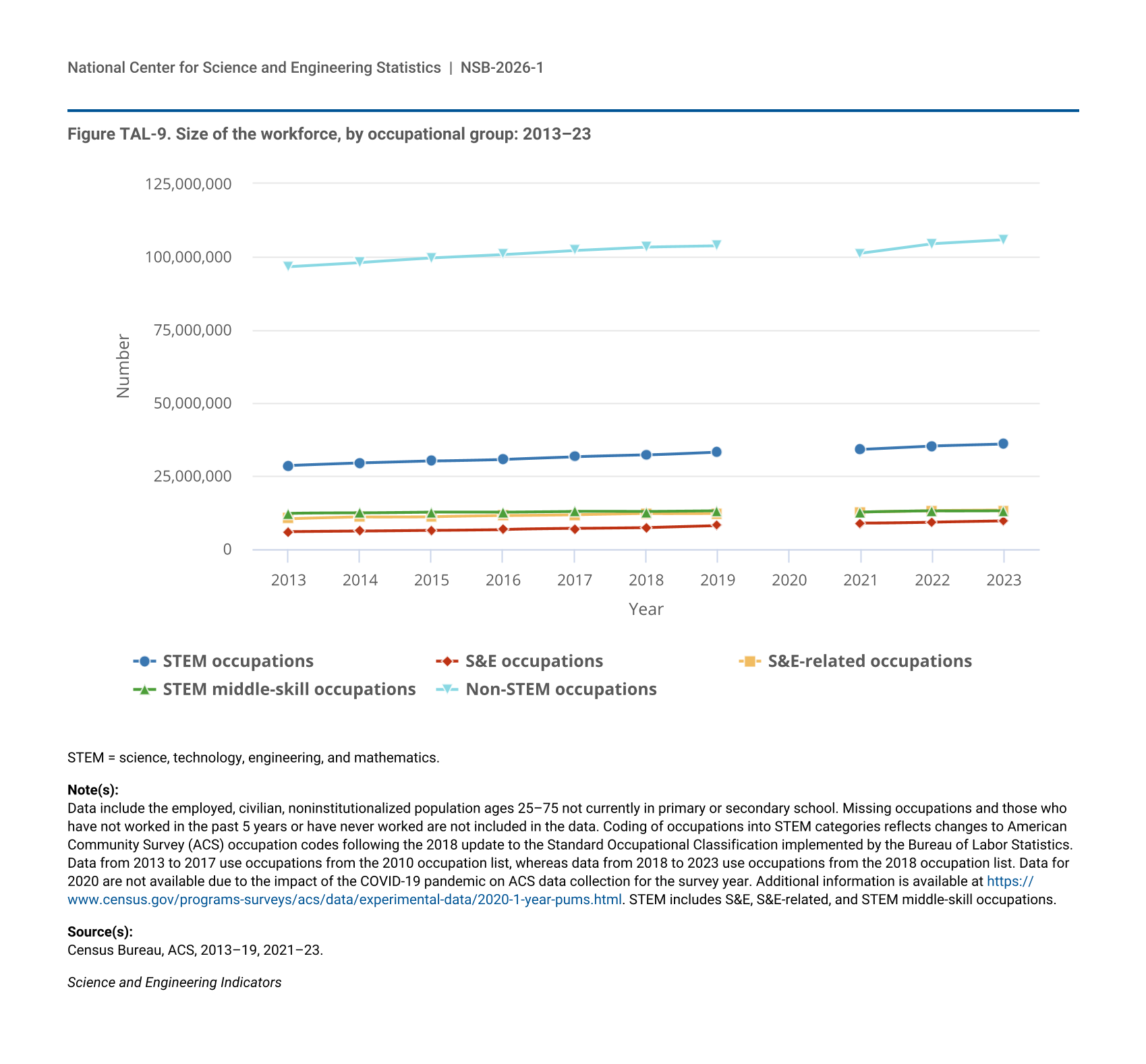
The STEM workforce accounts for roughly a quarter of all U.S. workers and includes those who work in traditional S&E occupations and those who work in a wider collection of occupations, including the skilled technical workforce. For all, the path to these occupations starts early and may be complex, with many junctions where an individual may continue to pursue STEM education or employment or choose to follow other paths. However, for those who end up employed in STEM fields, the wage and employment benefits are notable. This report presents available statistics that highlight key persistence and attrition milestones on the path to the STEM workforce.
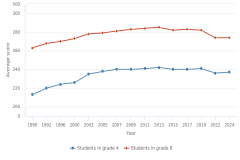
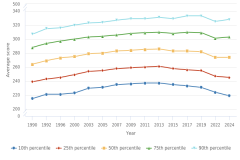
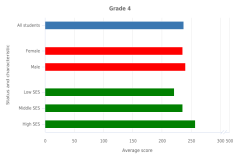
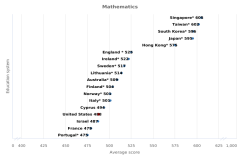
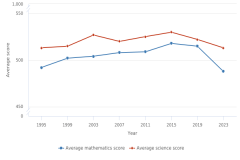
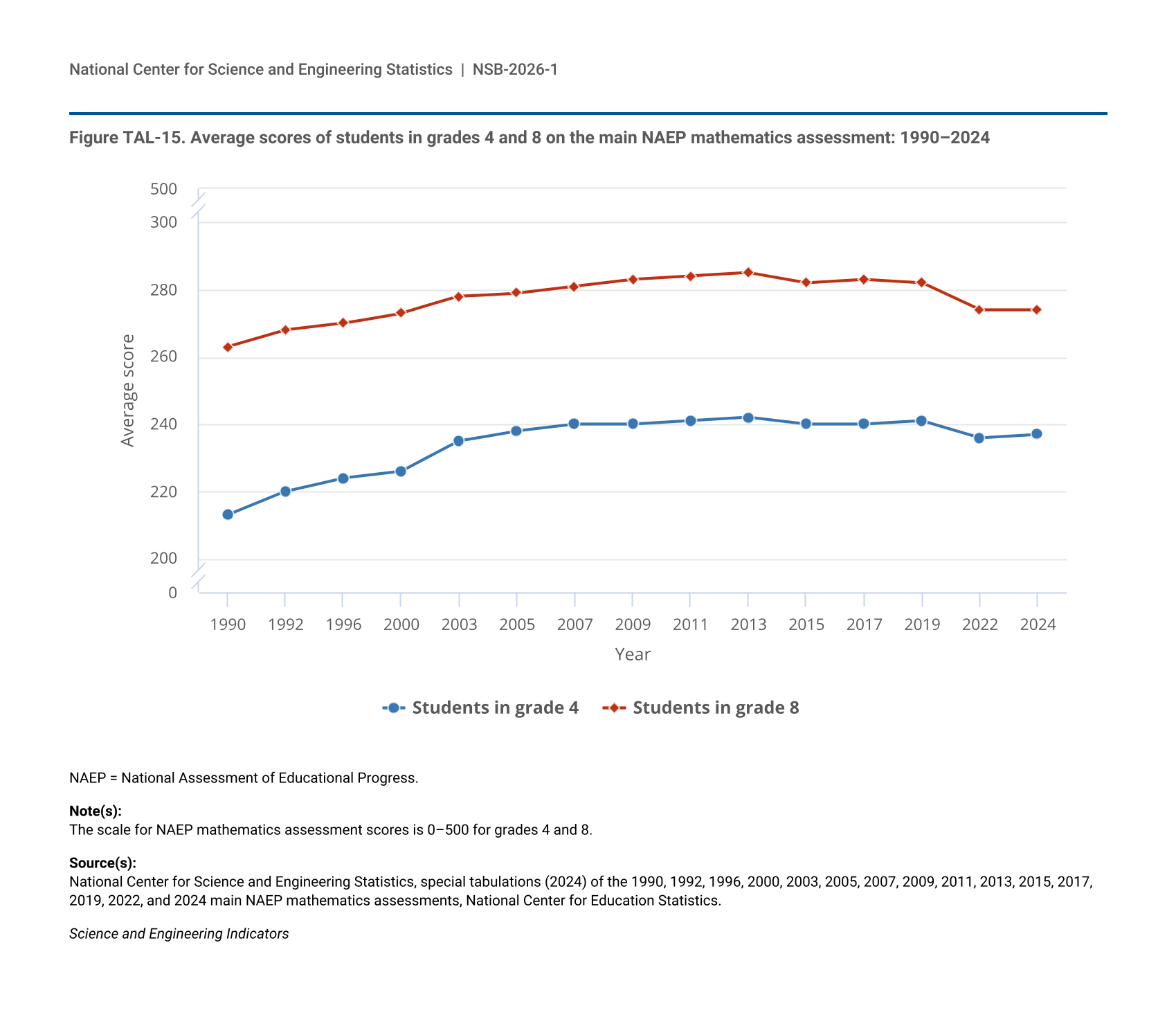
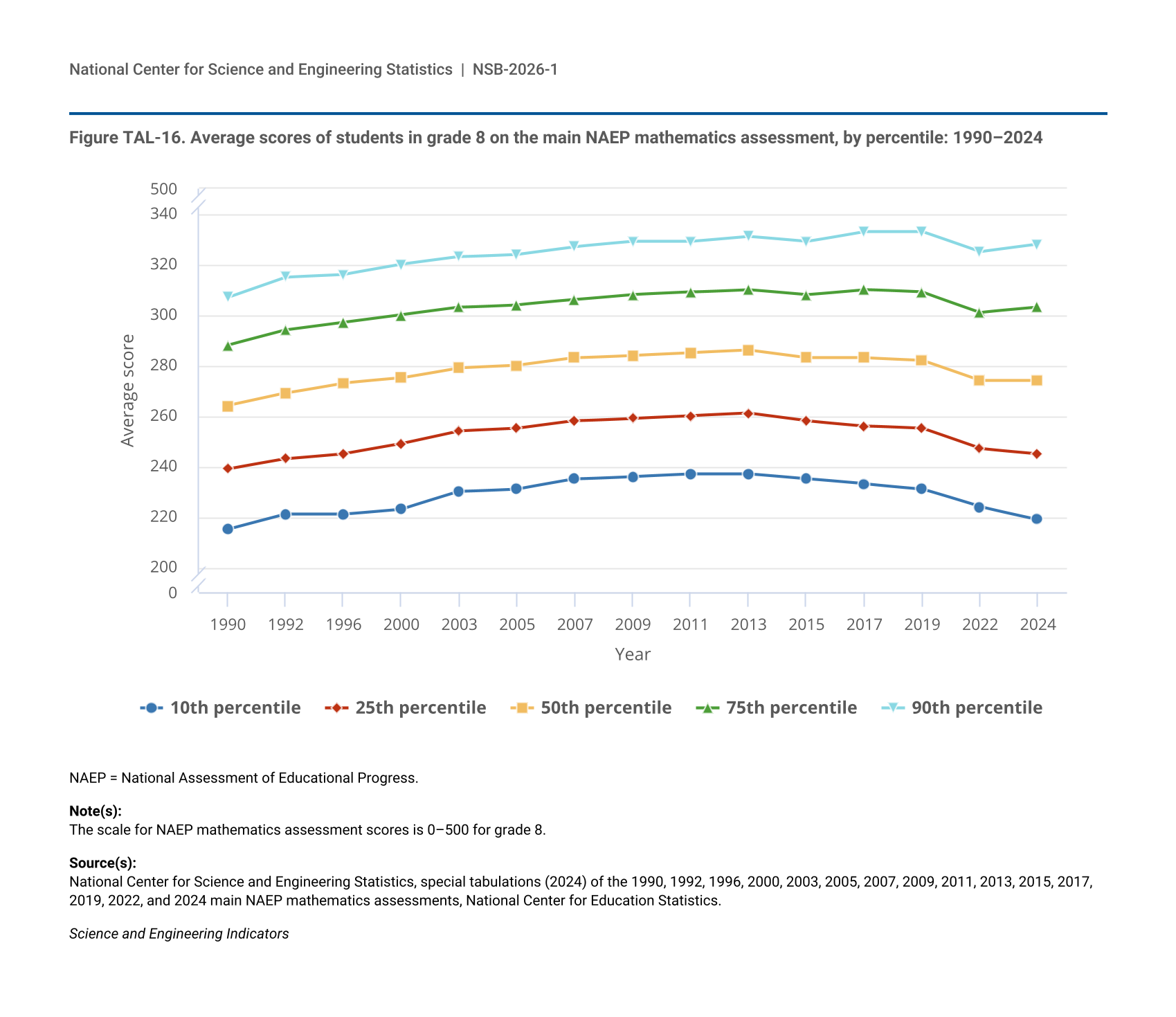
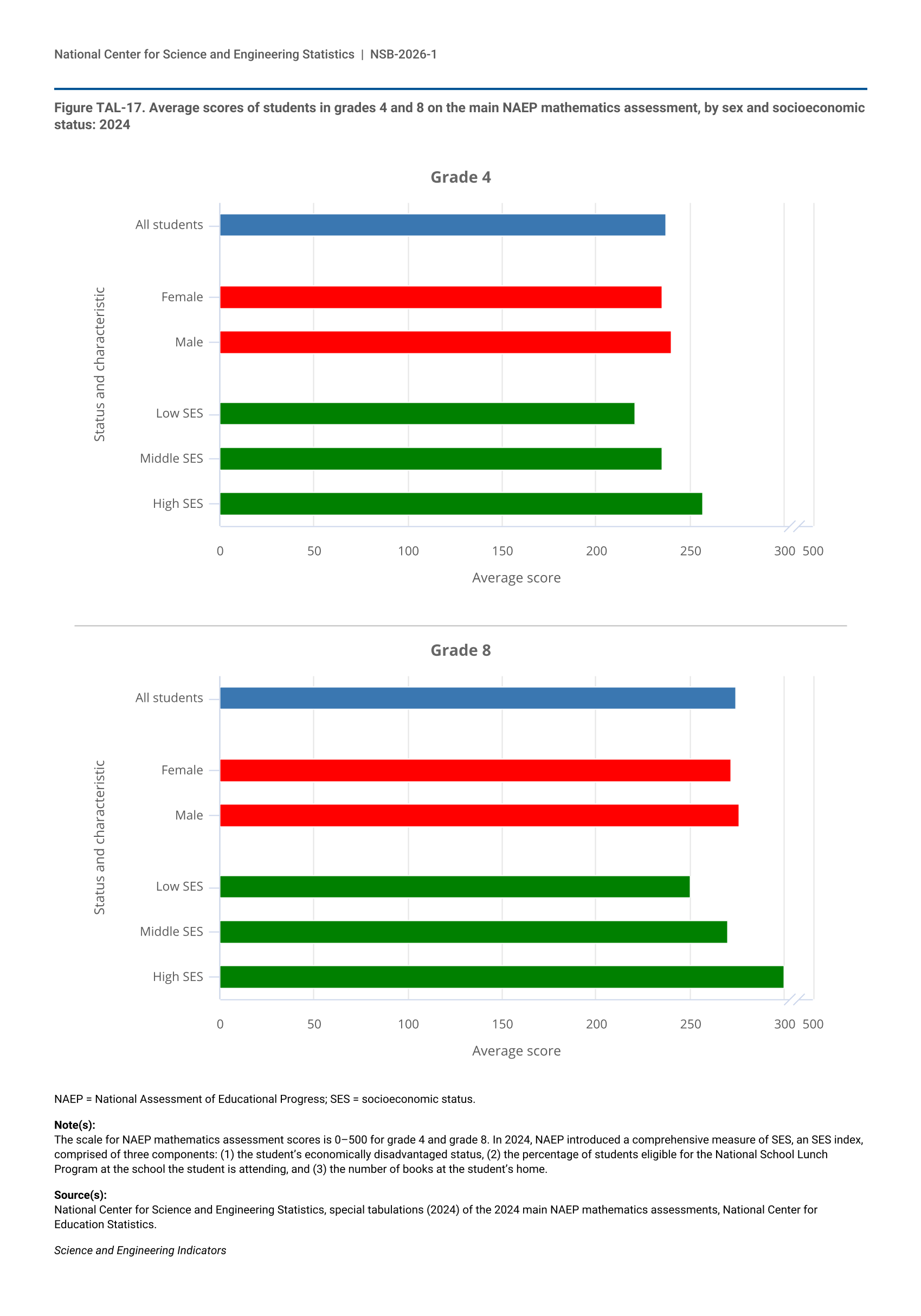
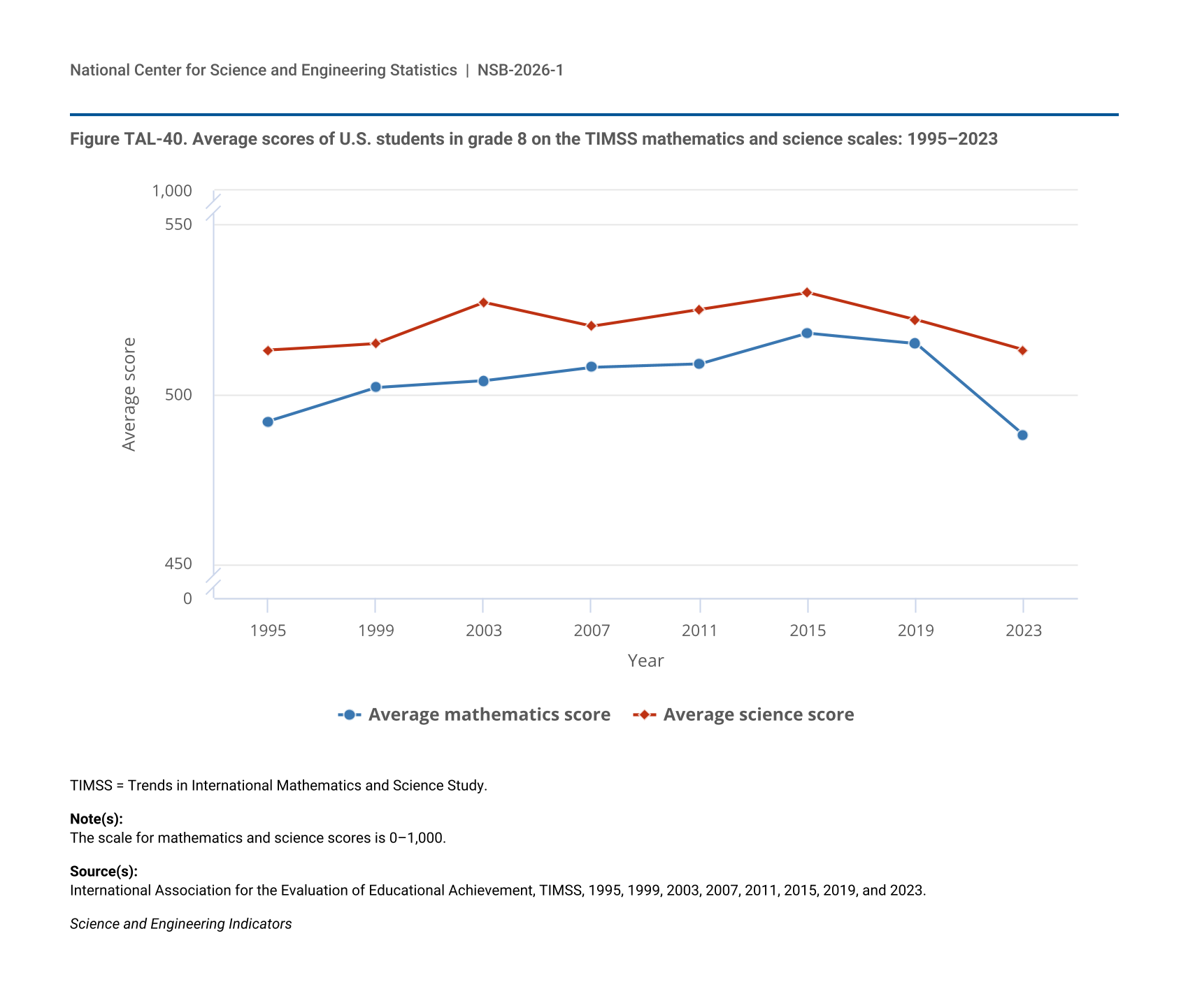
The STEM workforce comprises individuals born in the United States, as well as those born abroad and educated or trained at U.S. or international institutions. Many types of U.S. institutions foster talent development: K–12 schools, community colleges, colleges and universities, and technical training programs. The availability of STEM training varies across schools, districts, and regions, with differences often linked to socioeconomic and geographic factors. Many variables affect the probability of students moving through their education and training and gaining employment in the STEM workforce. Attrition of individuals from the U.S. S&E ecosystem occurs at various points along the pathway to employment in STEM occupations. A recent national assessment shows some recovery in elementary and secondary student mathematics performance since the COVID-19 pandemic, but only the scores for fourth-grade students at the 75th and 90th percentiles have returned to pre-pandemic levels. This highlights potential gaps in foundational knowledge that domestic students progressing through STEM education and training may have, with potential downstream consequences for the adequacy and robustness of the domestic STEM workforce.
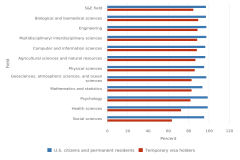
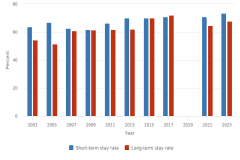
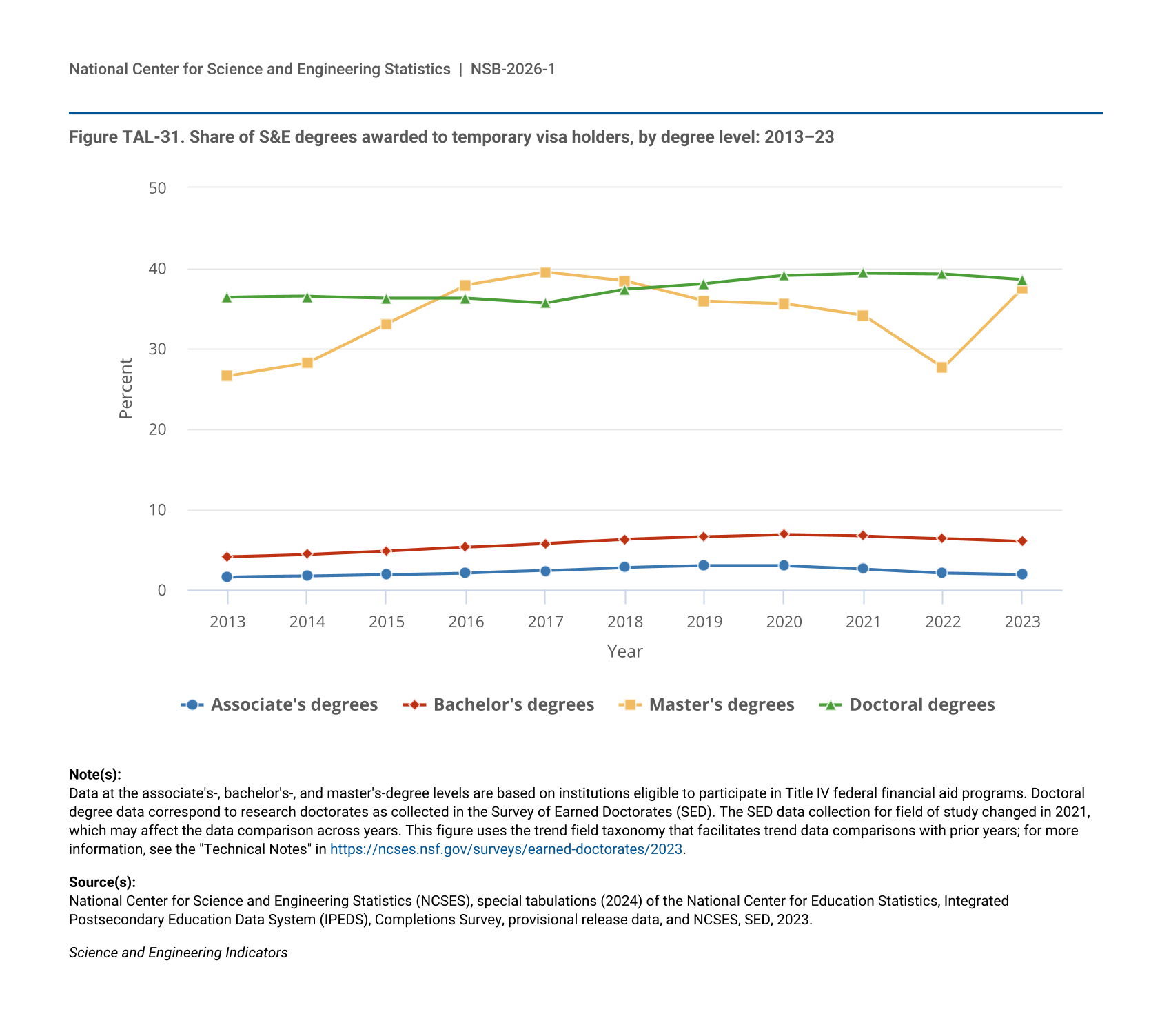
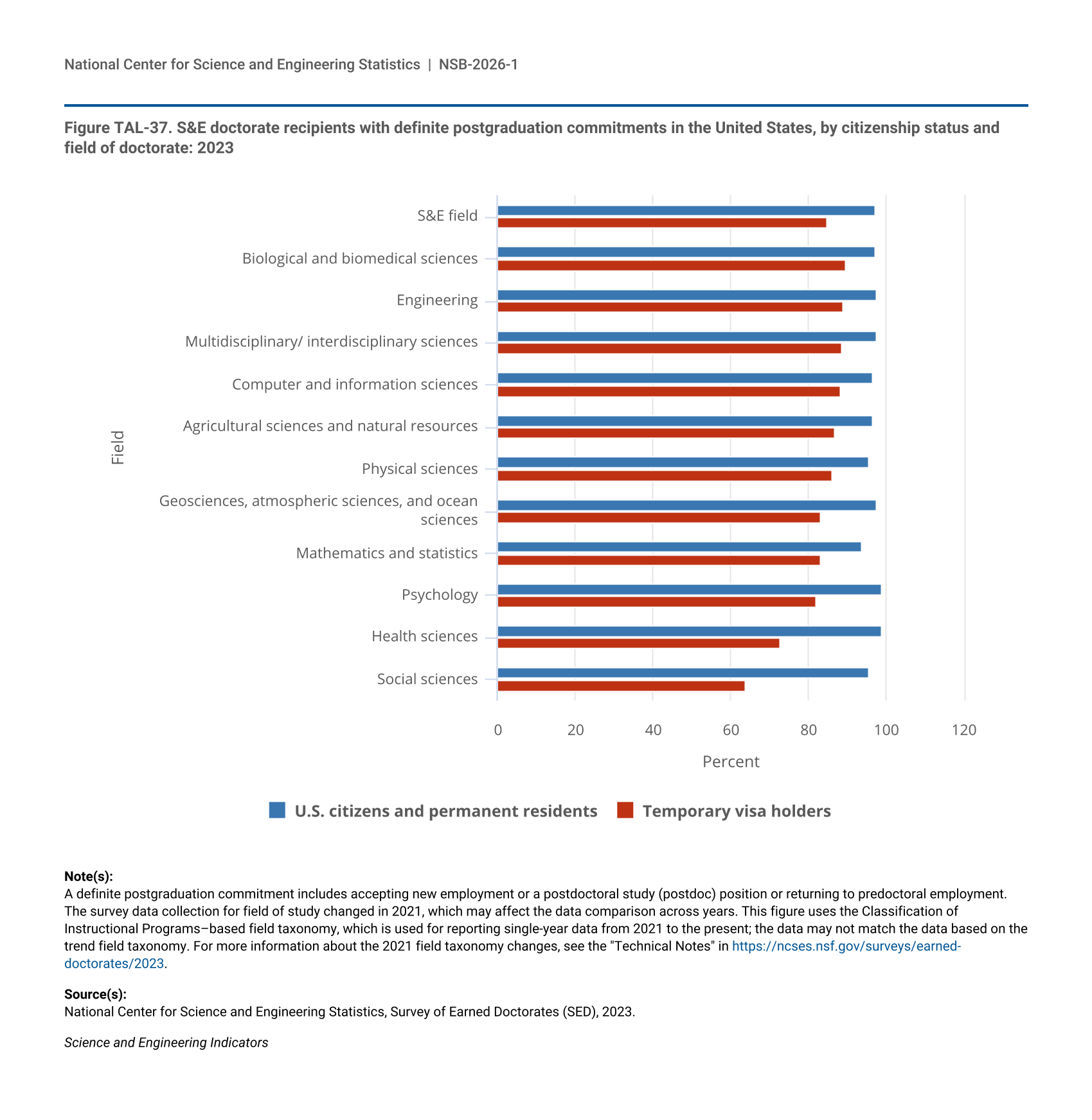
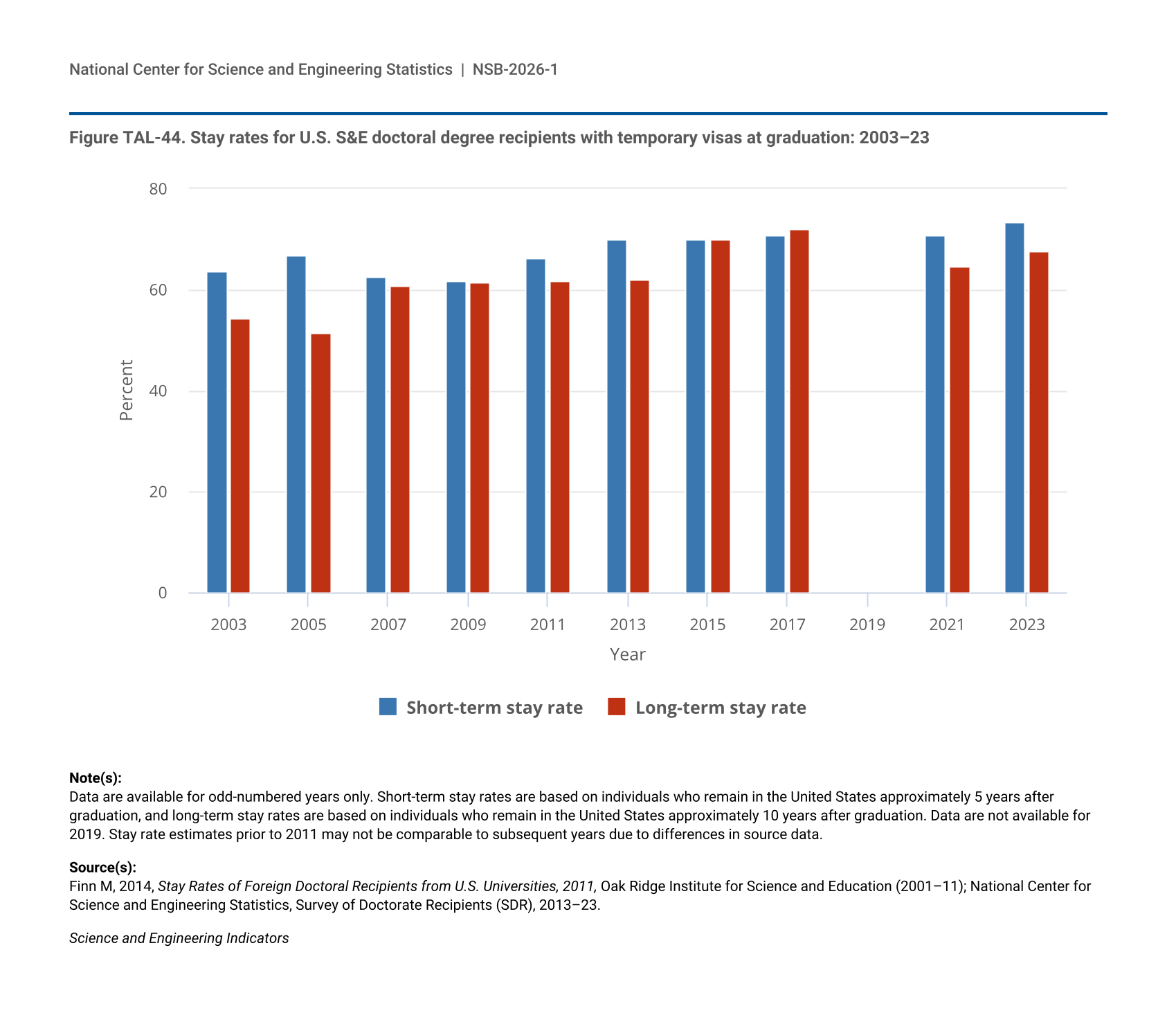
International students play a significant role in the U.S. higher education system, which awards a large percentage of S&E degrees in certain fields to individuals studying in the United States on temporary visas, especially at the doctoral level and in some critical and emerging technological fields. International students who earned their degrees in the United States and stay in this country (on employment visas, as permanent residents, or as naturalized citizens) after graduating contribute to meeting the domestic demand for STEM workers.